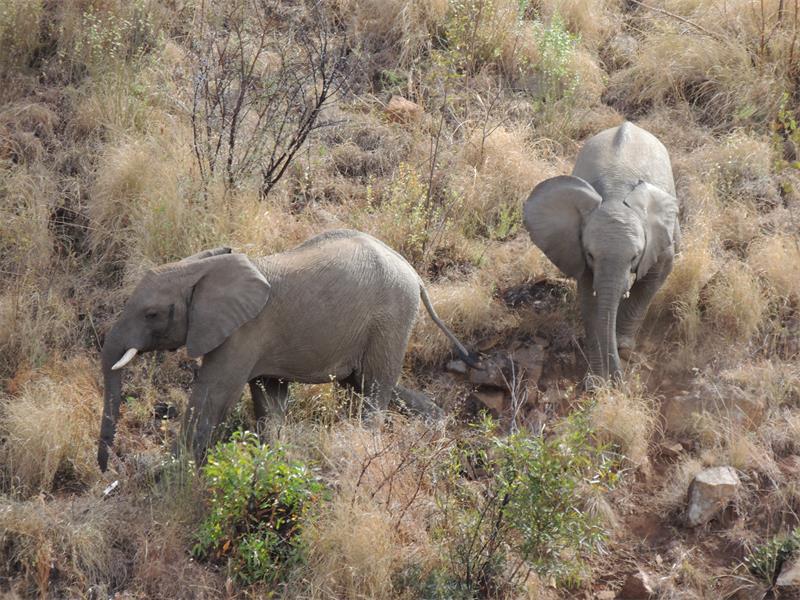
IT was early spring and Pilanesberg National Park was in patriotic mode, all dressed up in Springbok olive green foliage and golden grass.
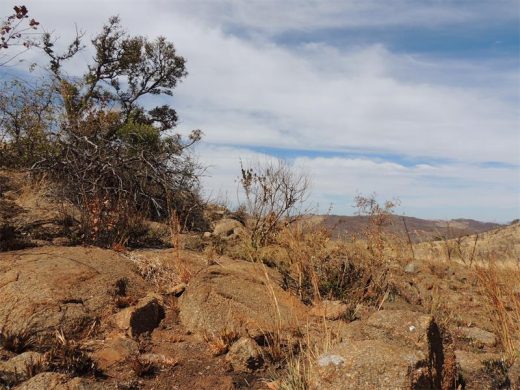
The green and gold colour scheme was strikingly set against a contrasting backdrop of reds, browns and ochre rocks and sand and the vivid blued of the sky and all the water. It didn’t take us long to realise this rugged, undulating park, with its mountains, rocky ridges and steep valleys, was far more beautiful than we’d remembered.
We’d set up camp in an almost empty Bakgatla Camp the previous afternoon and were now looking forward to exploring the park. A number of years ago we’d spent a wonderful but far too short weekend at Manyane Rest Camp in the park with a group of friends. Manyane is huge but it had been full to almost bursting point then and the park had been incredibly busy.
We’d enjoyed our short if busy stay but were now looking forward to having more time to explore and experience the park away from the madding crowds. We set off along the main road, back tracking along the route we’d taken to Bakgatle, via the Pilanesberg Centre and the extensive Mankwe Dam, then we did some of the less-travelled gravel road loops in that area.
Taking it slowly we stopped at many of the view points, hides, dams and picnic sites along the way, more and more impressed by the park’s many attractive facilities. It really was such a visitor-friendly game reserve.
ALSO READ: Adventures on the way to the Pilansberg
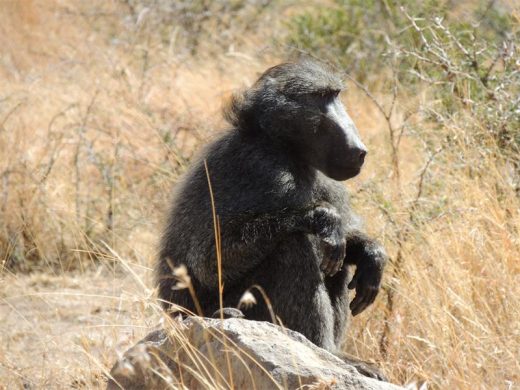
And wow, scenically, the park was fabulous – so dramatic, so rugged, so constantly changing. The birding and game viewing were excellent, too. This really was a gorgeous piece of wilderness and, with its many striking physical features, it was also fascinating from a geographical and geological point of view.
According to the useful guide and map book produced by the North West Parks Board, the Pilanesberg is one of only three alkaline volcanoes in the world. In its heyday it stood 7 000m high, rivalling even Kilimanjaro in grandeur.
It is a very old formation – 2 000-million years old in fact – and what is left of it today is a product of violently dynamic upheaval, of many volcanic eruptions, outpourings of lava, collapsing craters and ring fractures. Magma squeezed into the fractures formed concentric rings of rocks of different ages.
Over millions of years the elements took their toll slowly wearing down the massive mountain. Today the highest peak, Matlhorwe, only rises a modest 700m above the valleys. Pilanesberg is still impressive, though, a rugged 25km in diameter and recognised as one of the largest single volcanoes of its kind ever to have formed anywhere on earth.
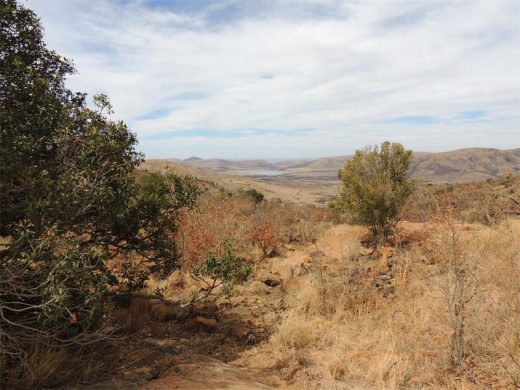
What we are seeing now is not the magnificent volcano’s crater but, perhaps more impressively, a cross section of the magma pipes once located far below the mountain’s summit.
We’d ticked off a selection of game and birds and had been thrilled by the sheer beauty of the place by the time we got back to camp later that afternoon. We did some camping chores and a load of washing then enjoyed our final evening at attractive, peaceful Bakgatla. Tomorrow would be another busy day of exploring, after which we’d move camp to spend our final night in the park at Manyane rest camp.
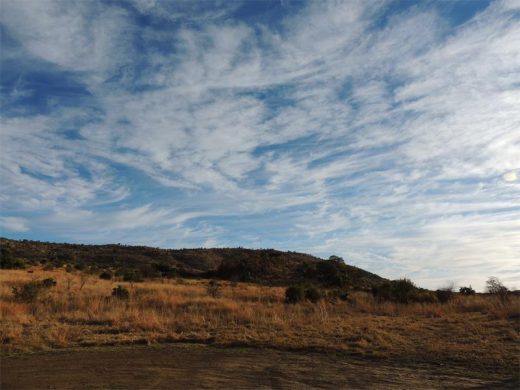
A poster in one of the hides we’d visited that day, with a quote from the proceedings of the Global NGO conference in Paris in 1991, summed up beautifully what Pilanesberg’s splendour and diversity had so clearly demonstrated:
“Science has taught us that all creation is matter and energy interacting in an elegant dance of life, and that biological and cultural diversity are the foundations of stability.”
HAVE YOUR SAY
Like our Facebook page, follow us on Twitter and Instagram
For news straight to your phone, add us on BBM 58F3D7A7 or WhatsApp 082 421 6033