AFTER leaving Pilanesberg on our recent road trip, our next destination was Mokala National Park, a very special piece of wilderness that Bill and I both love to visit.
YOU MIGHT ALSO BE INTERESTED IN : Tent Travels: More perfect Pilanesberg impressions
If you are not a frequenter of South Africa’s game reserves, you probably won’t have heard of this fairly new addition to the SANparks portfolio. It was only proclaimed and opened in 2007 but it quickly gained a keen following and has now become quite the darling of the under-canvas brigade, members of whom tend to wax lyrical whenever Mokala is mentioned.
Their praise for the park is well justified for it has many attributes. Initially about 19 600ha in size, it is now an area of more than 28 000ha thanks to the acquisition and incorporation into the park of a number of neighbouring properties.
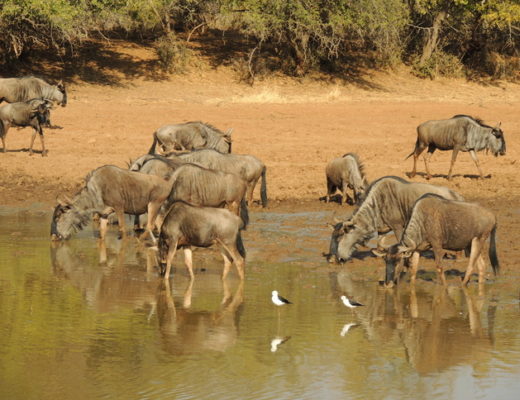
Its transitional situation between dry west and moist east and, on a north south axis, Karoo and Kalahari, means that it can support an interesting diversity of animals. In fact, one of its stated functions – apart from giving us nature lovers access to a little piece of red-earthed paradise – is to provide a haven for rare, valuable and endangered species.
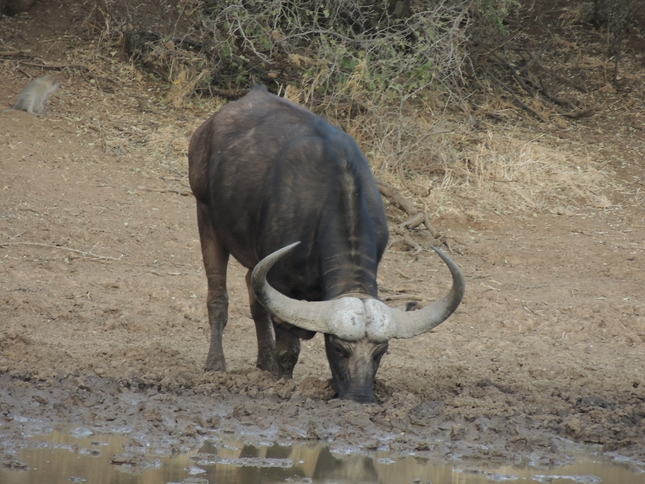
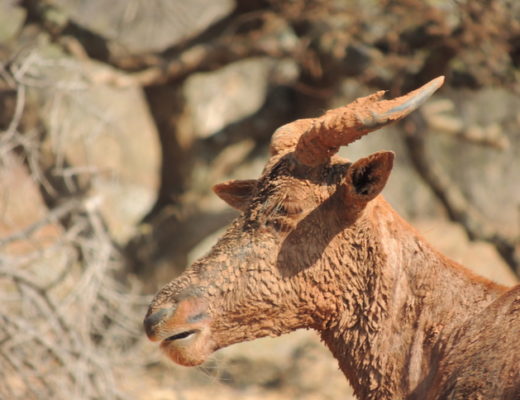
Because of this, park authorities have put elaborate anti-poaching mechanisms into action. The rare antelope species that call this park their home include disease-free buffalo, tsessebe, sable and roan antelope and it is always a joy to see these stately animals.
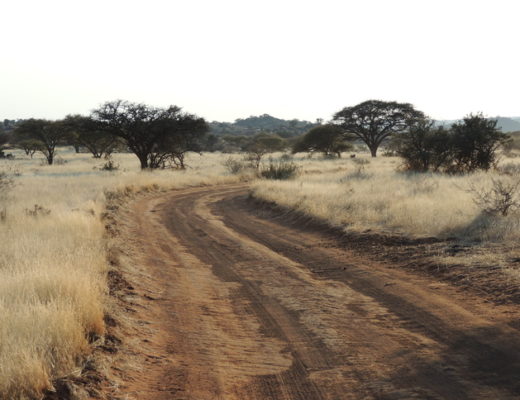
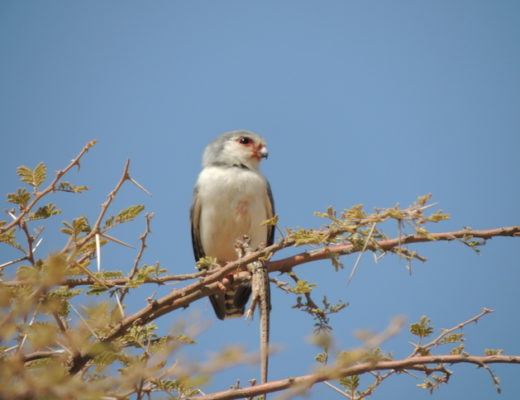
Although it is not a big five park, there are many other interesting mammals, big and small, and visitors can search for them as they explore the excellent network of game viewing roads in the park.
Mokala is also a physically striking place. It is a park with a decidedly ruddy complexion, it soils, scarlet and vermilion, and its rocky ridges, hills and outcrops ranging in colour from rust, blood red and maroon to sunburnt brown and dark chocolate.
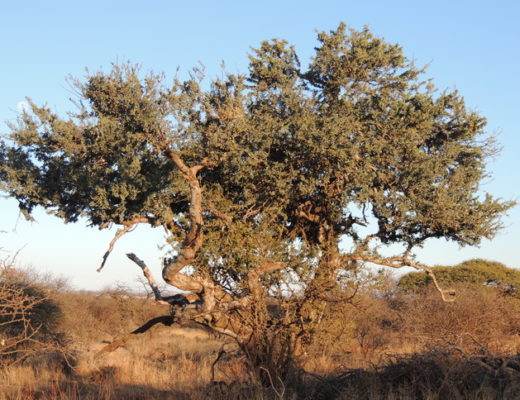
The vegetation, a mix of spiky trees, low bushes, wild flowers and grasses, is interesting as well. Mokala means camel thorn (Acacia erioloba) in Tswana and these striking arid-land trees, often festooned with sociable weavers, are noteworthy features of the park.
There are plenty of other trees that vie for the tree hugger’s attention, including the ubiquitous shepherd’s tree (Boscia albitrunca), with its almost sculptured white trunk, that dominates the landscape in some areas – as does Africa’s iconic umbrella thorn (Acacia tortilis).
In spring, the sweet thorn (Acacia karoo) trees, which tend to grow along the water courses, announce the season with a flash of lime green and the scrubby black thorn (Acacia mellifera) bushes cover themselves with snowy white fluff balls and wine red buds.
Our drive to Mokala started on a frenetic note. Soon after leaving Pilanesberg we had to negotiated our way through Rustenburg during its crazy, hectic rush hour.
What with extensive road works underway along our route, many four-way stops and an apparent disregard for rules of the road pertaining to these intersections, it really was a nerve-racking experience.
Thereafter, the rest of the route, through delightful rural villages and towns, was most enjoyable. We stopped in Kimberley to restock our mobile pantry and arrived at the Lilydale Lodge entrance at around 2pm.
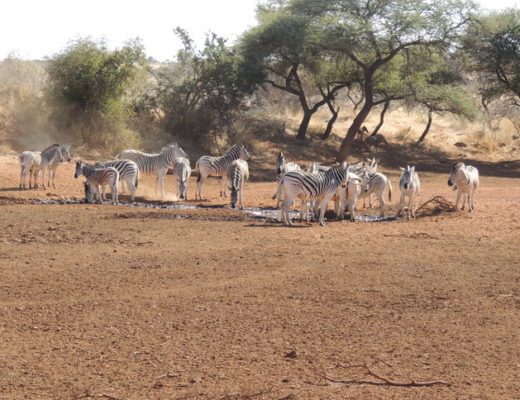
This gave us a chance to spend the rest of the afternoon doing a long, leisurely drive through the park, with a late lunch break at what we call our gazebo in the veld, one of our favourite spots in the park. It is an attractive, elevated wooden hide with open sides overlooking a waterhole and a substantial grassy plane.
There is always some action at this waterhole but we had quite a long drive ahead of us to Motswedi campsite so we didn’t linger there too long. We took a quick look at Stof Dam, ticking off quite a few interesting animals and birds from the hide, then carried on to our campsite.
The park although still quite wintry, was looking lovely after good rains the previous year. The winter-bleached grass was mostly lush and long with only patches of red Kalahari sand showing through here and there, looking, for all the world, like a balding man’s sunburnt scalp.
Motswedi really ups the ante when it comes to camping, – or should I say glamping. It boasts just six, spacious, well-treed campsites set out in a semi-circle overlooking a waterhole. Each site has its own attractive bathroom and toilet and a camp kitchen complete with gas cooker and fridge, dish washing sink and cupboard. There is no electricity but solar power and gas provide more than adequate energy.
We set up camp in our designated site, number three, which offered a good view of the waterhole and plenty of shade. Soon after we arrived, a large party took over two sites near us and set up a fairly elaborate camp.
Among the campers were a frail, elderly husband and wife. During our Motswedi stay we noticed ‘Ouma’ helping out a bit with the cooking and washing up and ‘Oupa’ shuffling around trying his best to make himself useful, in spite of his very limited mobility.
They went out with family members for the odd game viewing drive but mostly they parked themselves contentedly on their comfy camping chairs at the edge of the waterhole to watching the passing wildlife show.
We couldn’t help but notice how kind and thoughtful the other members of the party were to these elderly campers. Although their advanced ages and fragility were obviously limiting, they were still enjoying themselves immensely and were making the most of what, for them, was a satisfying and fulfilling wildlife experience.
It just goes to show; you are never too old to go camping, particularly at a comfortable camp like Motswedi or any of the other well-appointed camps in our 19 national parks.
HAVE YOUR SAY
Like our Facebook page, follow us on Twitter and Instagram
For news straight to your phone, add us on BBM 58F3D7A7 or WhatsApp 082 421 6033