ITS diversity, its dynamic ecological processes and its outstanding natural beauty earned iSimangaliso the honour of becoming South Africa’s first World Heritage site in 1999.
YOU MIGHT ALSO BE INTERESTED IN:
It is an honour this watery wonderland fully deserved. With its untouched shoreline, its towering, 25 000-year-old vegetated coastal dunes, three major lake systems, eight interlinking ecosystems, wetlands, grassland and coastal and swamp forests, the 332 000 hectare park is one of South Africa’s most fascinating slice of conserved land.
As nature lovers, Bill and I visit the wetland park as often as we can.
We were staying with our son and his family in Richards Bay but left them in peace to pay Cape Vidal a day visit and to explore the extensive road network in the Eastern Shores area.
It is always a thrill to visit iSimangaliso and, as we hadn’t done the Eastern Shores section for a long time, we passed through the entrance gate with much anticipation.
The park had been hard hit by the long and severe drought that had stricken our province in recent years, but summer rains had returned and iSimangaliso was looking magnificent.
We proceeded northward along the main, tarred road towards Cape Vidal but soon turned off onto the Pan Loop road to admire a sparkling little pan, its water lilies and its single resident hippo.
The hippo was dozing and there wasn’t much happening so we went on our way, turning off to Mission Rocks for a look at the rocky shores and have breakfast at the lovely picnic site there.
Until then we hadn’t encountered many other vehicles but there were quite a few visitors exploring the rocky shoreline there and after turning back onto the tar we started to encounter fairly heavy traffic.
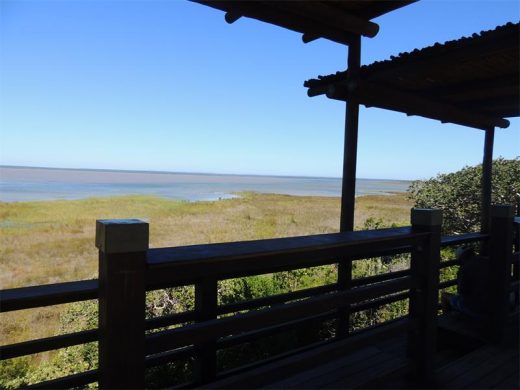
Next stop was the extensive and attractive viewing platform at Catalina Bay. On our last visit there, the drought had taken its toll and the water had receded leaving a large expanse of bleached, thirsty shore. How lovely it was to see the sparkling Lake St Lucia reclaiming this land and filling the surrounding grassland with diamond-bright pools of sparkling water. We did a bit of profitable birding for a while but it was quite windy and we decided to continue on our way.
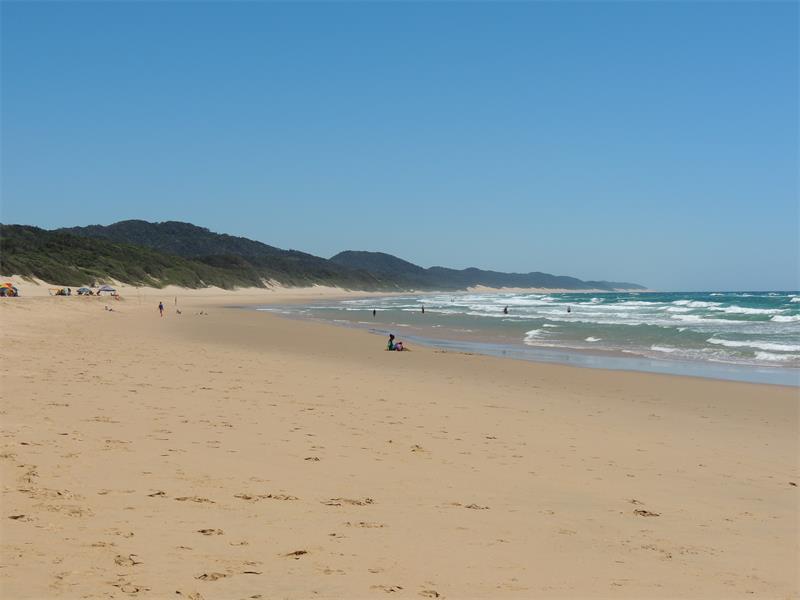
Cape Vidal was very busy when we arrived there. It was still school holidays and this beach resort is an extremely popular family destination and fishing spot. We found a parking place, kicked off our shoes and went for a walk along the beach. It was packed with family groups and their day encampments around the launch site but the crowd soon thinned out.
Cape Vidal is an incredibly beautiful piece of shoreline, its long stretches of pristine golden sand interrupted here and there by rough, rocky shelves and strange rock formations.
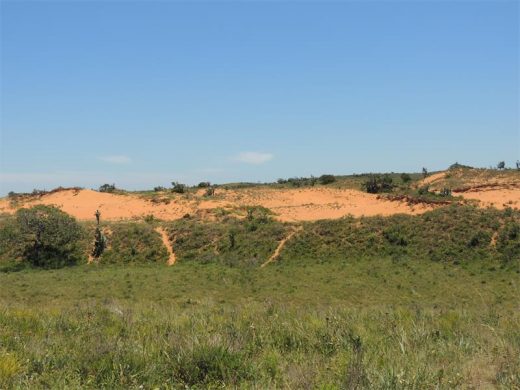
Bordering the beach are the massive vegetated dunes that give Cape Vidal its unique sense of place.
We had been pleased to learn that a bridge had been repaired, once again opening up the Lake Bhangazi area and completing the scenic Grassland Loop.
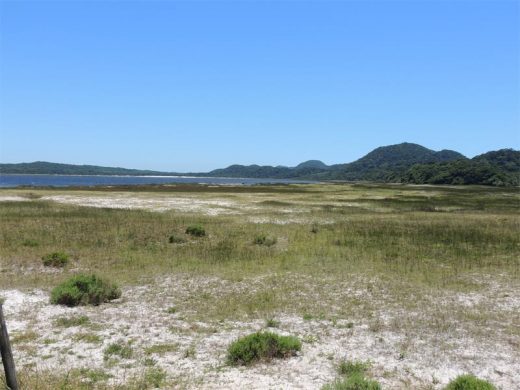
With its white, sandy, sparsely vegetated shore Lake Bhangazi is a bleakly beautiful place. Last time we’d seen it the lake was virtually dry now it had reverted to its former sparkling glory, celebrating the ample summer rains.
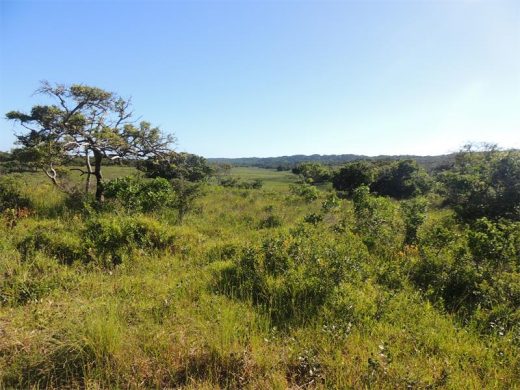
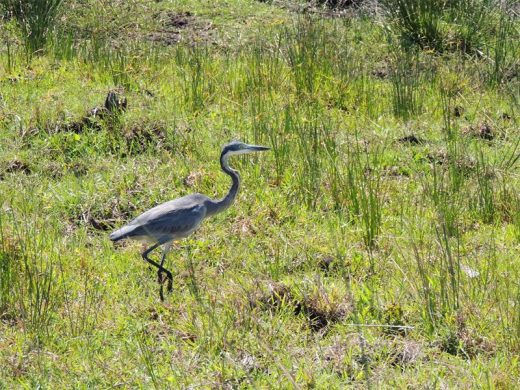
As usual, the Grassland Loop, through swampy grasslands and wetlands scattered with swamp forest and glittering pans, proved a good route for game viewing and birding, offering a wonderful selection of fauna, including quite a few buffalo. The route also passes the striking ridge of red dunes before crossing through a swamp forest section and joining up with the main tarred road. We stopped at the kuMfazana Pan hide, an impressive structure, but there was not much happening there so we continued on our way. A view site overlooking a series of little pans, further along the road proved more productive and we were thrilled to see two saddle-billed storks there.
We’d really dawdled along the homeward leg and it was getting late so we left the Eastern shores section without any more stops to do a quick detour into St Lucia to look at St Lucia estuary, enjoying a stroll along its attractive boardwalk before setting off back to Richards Bay.
After parking our camper back at our camping site at the Zululand Yacht Club we joined our family for a delightful supper at the clubhouse. It was a thoroughly enjoyable last evening in Richards Bay.
The next morning we woke early to do the Richards Bay parkrun with our daughter-in-law before saying farewell to our family and to the green and pretty harbour town of Richards Bay.
HAVE YOUR SAY
Like our Facebook page, follow us on Twitter and Instagram
For news straight to your phone, add us on BBM 58F3D7A7 or WhatsApp 082 421 6033