
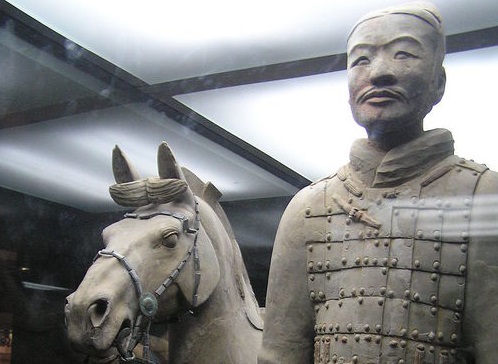
We have covered this territory, mostly in local buses, from New Delhi to Amritsar, then across Pakistan to the Khyber Pass and into Afghanistan, then on and into Iran, and finally Turkey, ending up in Istanbul. We crossed the Indus (in Pakistan) at night, in a rickety, cramped, much-decorated, Pakistani bus, some 2 300 years after Alexander and his army reportedly crossed it on inflated goatskins. How interesting to think that some Greeks soldiers may have gone AWOL and kept moving eastwards and eventually into China. Another interesting point is China’s recently announced new Belt and Road Initiative; a proposed international trade route between China and Europe, a modern Silk Road, which once linked China with the Mediterranean from 130BC.
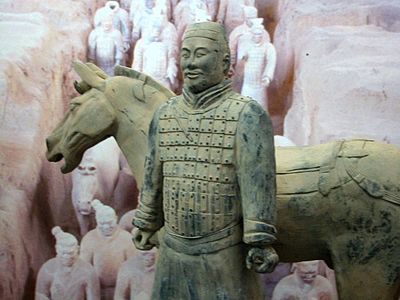
And a very different angle on China. My wife bought a packet of wet wipes (for want of a better term) the other day to keep in the car. As you know, I like to read the small print on things and to our astonishment the wet wipes were made in China. I’ve pointed out before that many of the canned goods in our supermarkets come from China, and recent discoveries were bottled asparagus and tinned smoked mussels. An ordinary light bulb popped the other night and I replaced it with another, made in China, naturally. We bought a packet of frozen calamari from our favourite fishmonger the other day, produced where? China, of course. But our best so far was an Afrikaans Christmas card we received, yep, made in China. But we’re not alone. In 2016 England celebrated the Queen’s 90th birthday and my cousins in London sent us a tea cloth commemorating the event, and for the Queen’s Diamond Jubilee they sent us red and white flags of St George and suitable bunting, and yep again, all made in China. The Chinese have obviously been good businessmen for a very long time.
*The Digging Stick: journal of the South African Archaeological Society.
HAVE YOUR SAY
Like our Facebook page, follow us on Twitter and Instagram
For news straight to your phone, add us on BBM 58F3D7A7 or WhatsApp 082 421 6033