Sometimes when we read media reports about new studies and the conflicting recommendations of “experts” about what we must do or not do to be healthy, we want to just throw up our hands in despair. If the experts can’t agree on what is best for us, can we believe anything they say?
YOU MIGHT ALSO BE INTERESTED IN: Turning the Tide on Lifestyle Diseases – It’s time to change our approach
What we forget is that there is a vast amount of information that is accepted by all experts that if adopted, will considerably improve our health and well-being.
Here are points of consensus:
Exercise: All experts acknowledge the importance of exercise in improving our health. We were designed to move, and activity has so many benefits to our muscles, joints, digestive system, immune system, mental well-being, sleep patterns, body mass, control of blood pressure, control of diabetes and elevated blood cholesterol, as well as prevention or slowing down of cancer growth. Recommendations are to aim for 150 minutes of exercise per week.
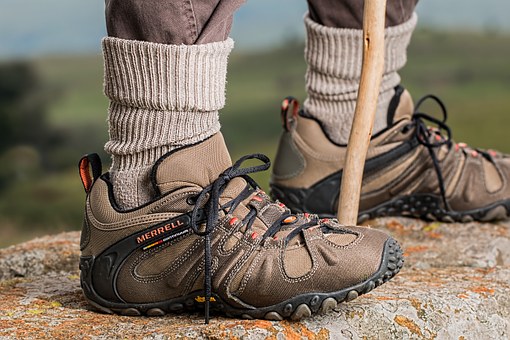
The best exercise is the one you will do, as Dr Michael Mol quipped at a Lifestyle Medicine presentation at the Hibiscus Hospital’s 25th Anniversary Gala dinner. Whether you do that over 3 days per week or break it up into 30 minute sessions 5 days of the week. It is also well known that the exercise should include both muscle strengthening exercises as well as those that cause you to breath deeply and push up your heart rate. The former includes things like sit-ups, push-ups, squats, weight lifting; the latter include things like brisk walking, jogging, cycling, swimming, playing sports, etc.
YOU MIGHT ALSO BE INTERESTED IN: Turning the Tide on Lifestyle Diseases: The obesity epidemic – a symptom of a deeper problem
Social support: It is incontrovertible that loving relationships prolong life and improve well-being. We all know that social isolation is dangerous – from addictive behaviour; from risks of falls; from depression and loss of purpose in life. The primary source of social support is supposed to be the family. When that is no longer available, we can also get support from church or religious affiliations; from clubs and service centres; from interacting with people on a voluntary basis – like visiting frail care institutions and volunteering for service organisations.
Giving up addictive behaviour: Although easier said than done, everybody agrees that smoking, food addictions, excess alcohol consumption, etc. are the cause of so much human suffering. Experts agree that every cigarette shortens life expectancy by between 7 and 11 minutes.

Spiritual connection: Experts all agree that a sense of purpose in life is fundamental to physical and emotional well-being. Although there are as many belief systems as there are social groupings, humans all have an innate need to worship – either God or a higher being; or social celebrities; or themselves and their passions. Longevity has been scientifically shown to be significantly prolonged by such things as regularity of church attendance/personal devotions/participation in religious activities.
Sufficient rest: There is consensus on the need for adequate sleep – generally 7-8 hours, especially for young people. Our brains need time for processing all the information. Our bodies need healing. Even weekly rest days are part of our design. Constant work is associated with shortened lifespan.
A diet rich in plant-based whole foods: Plants are so rich in hundreds of thousands of phytochemicals which include such things as vitamins, minerals, anti-oxidants, anti-cancer substances, fibre, etc.
Reduction in processed and refined foods: There is no doubt that processed foods are impoverished of vitamins, minerals, fibre, phyto-chemicals; as well as being laced with a whole host of preservatives and food additives. Although many processed foods have added vitamins and minerals, these nowhere near approximate the thousands of naturally occurring nutritional substances in perfect balance that have been removed or inactivated.
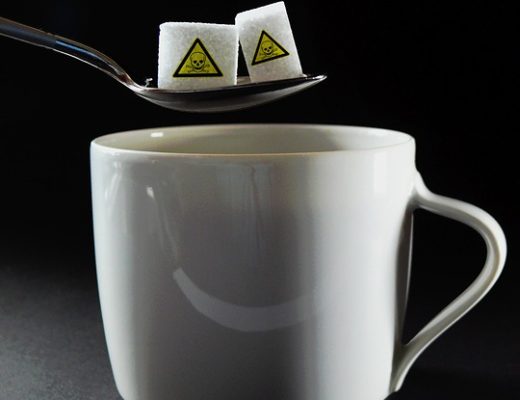
Reduction in consumption of sugar: There is incontrovertible evidence that excess refined sugar consumption has highly significant negative consequences to our health. This sugar is found in almost all processed foods and beverages. For many people sugar stimulates the release of dopamine in the brain in levels equivalent to the effect of addictive. It is no wonder that diets high in refined sugar are so often associated with obesity, cancer and inflammatory conditions.
Reduction in consumption of salt: Excessive salt intake is associated with fluid retention, high blood pressure, heart attacks, strokes, kidney disease and osteoporosis (softening of the bones).
Points of contention:
As you can see from the above, there is so much in common between experts in terms of what we should do to promote health and well-being. However, there are differences, and these unfortunately tend to dominate the attention of the media.
Perhaps the media thrives on controversy; perhaps we make excuses for our behaviour because we play on the “confusion”.
Low-carb/high fat diets. There are scores of variations on the theme – from Atkins, ketogenic diet, Banting diet, Paleo diet etc. These all promote a low carbohydrate intake and thus by definition high protein and fat intake. On the opposite extreme are the high carb/low fat such as in the whole-food plant-based diet or vegan diets.
Then there are mixes of the above such as recommended by most dieticians and heart/diabetic/government organisations.
How can we know what is best for us?
The results of large population studies: Studies monitoring the historical changes in diets of populations around the world have shown increasing rates of lifestyle diseases such as heart attacks, strokes, blood pressure, diabetes, obesity and cancer as people have moved away from relatively unprocessed whole foods and increased their consumption of dairy, meat and sugar. This has been demonstrated in the USA as well as the Far East and even in South Africa.
YOU MIGHT ALSO BE INTERESTED IN: FREE lifestyle health seminars offered in Port Shepstone
Long-term studies of specific groups: The much quoted Adventist Health Studies in the USA have followed up large groups of members of the Seventh-day Adventist Church over many years, who have somewhat similar behaviours in terms of abstention from alcohol and drugs, but differ in dietary intake of animal products and commitment to plant-based diets. These have given good evidence of the benefits and consequences of specific diets.

Harvard University has been conducting long term studies in large groups of both nurses as well as physicians. These have provided long-range outcomes relating to varying dietary and health practices. And there are numerous other studies from around the world that give us good overviews.
The best diets and lifestyle interventions are affordable: Any diet that requires us to adopt hard-to-obtain foods and supplements, or only utilise expensive ingredients is not rational. Our bodies have an incredible ability to utilise the resources available in any given area of the world. It is only in the extremes of environment that we will battle to obtain what we need locally.
The interventions that are suggested should be good for the planet: Some experts are warning about the enormous production of greenhouse gases from the mass production of animal products to feed the vast populations of the world. If the whole world population were to adopt the Western diet or the so called “SAD – Standard American Diet”, there is no way that the earth could sustain the amount of livestock needed.
Finally, the interventions should promote ethical farming practices: Reports about the horrific farming practices and cruelty to animals from factory farms are abundant and sickening. Description is beyond the scope of this article, but thought-provoking.
In summary, there is enough consensus about the basics of healthful living that we have no excuse to postpone adoption of at least the essential interventions. What is holding you back?
Dave Glass
MBChB, FCOG(SA)
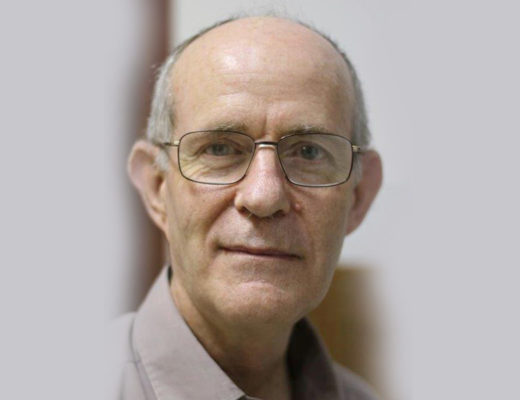
David Glass graduated from UCT in 1975. He spent the next 12 years working at a mission hospital in Lesotho, where much of his work involved health education and interventions to improve health, aside from the normal busy clinical work of an under-resourced mission hospital.
He returned to UCT in 1990 to specialise in obstetrics/gynaecology and then moved to the South Coast where he had the privilege of, amongst other things, ushering 7000 babies into the world. He no longer delivers babies but is still very clinically active in gynaecology.
An old passion, preventive health care, has now replaced the obstetrics side of his work. He is eager to share insights he has gathered over the years on how to prevent and reverse so many of the modern scourges of lifestyle – obesity, diabetes, ischaemic heart disease, high blood pressure, arthritis, common cancers, etc.
He is a family man, with a supportive wife, and two grown children, and four beautiful grandchildren. His hobbies include walking, cycling, vegetable gardening, bird-watching, travelling and writing. He is active in community health outreach and deeply involved in church activities. He enjoys teaching and sharing information.