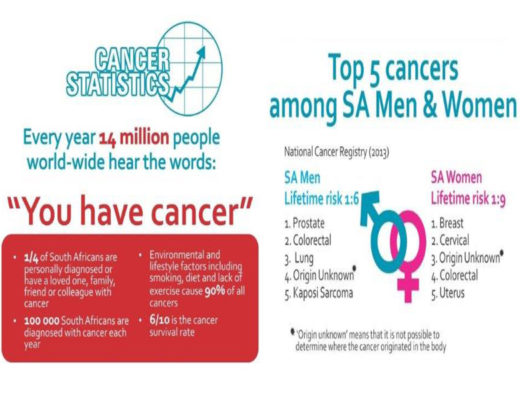
We all know people who have been attacked by cancer – family, friends, maybe even ourselves. We also know that we are constantly exposed to radiation, carcinogens, cancer-stimulating viruses and assaults upon our immune system, which controls cells that have become disordered. Our cell nuclei have complex mechanisms for keeping our genetic information intact, but every day mutations occur which can lead to all sorts of outcomes including ageing, malfunction of our cells, abnormal cell growth and cancers.
YOU MIGHT ALSO BE INTERESTED IN: Turning the Tide on Lifestyle Diseases – It’s time to change our approach
In this first part of the series, we will talk about the causes of cancer. In later articles we will look at interventions that can reduce the risks and perhaps even contribute to the reversal of certain cancers.
Genetic predisposition:
One of the best publicised associations between cancer and genetics is the BRCA1 and BRCA2 gene mutations (BRCA is short for breast cancer). The BRCA genes produce tumour suppression proteins. There is a strong association between those with these genetic defects and both breast and ovarian cancer. Some people have gone as far as having prophylactic mastectomies and removal of the ovaries if they have these genetic defects.
We also know that there are strong family predispositions to other cancers, such as prostate cancer and colon cancer. However, these may be influenced also by similar lifestyles, rather than just the genes.
Environmental carcinogens:
The most common carcinogens are those that are self-administered – smoking and alcohol. The link between smoking and lung, mouth and bladder cancer is incontrovertible. There is a dose dependent association between alcohol use and mouth, throat, pancreas, colon, liver and breast cancer.
Modern life brings with it so much pollution of our environments – petro-chemical wastes, industrial toxins, certain food additives, preservatives, agricultural chemicals which can all affect our cancer risks.
Diet:
Refining foods removes fibre and many phyto-chemicals which protect or heal our genes and help to stabilise our internal environment and reverse genetic malformations. A diet consisting predominantly of whole foods is loaded with anti-oxidants which mop up the dangerous free radicals produced from chemical contaminants and bad living.
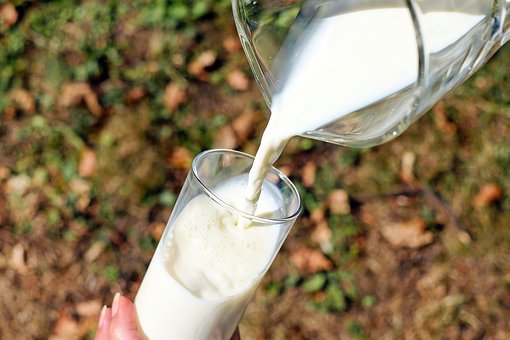
Food groups found to be particularly associated with cancer development are dairy and processed meats. Milk is a special food designed for the rapid growth of calf cells converting a 35 kg calf into a 600 kg cow over a few months.
Casein in milk stimulates a substance called insulin-like growth factor. Growth factors can affect the normal growth of cells, but also stimulate abnormal growth. Apart from the casein in milk which has a direct connection to cancer growth, milk is also rich in oestrogenic hormones which may stimulate certain cancers. There is good evidence of connection between high consumption of milk and prostate and breast cancer. In countries that have low milk consumption, the incidence of breast and prostate cancers is traditionally very low.
Processed meat, such as sausages, polonies and cold meats are strongly associated with colo-rectal cancers. (Of course, the recent debacle with Listeriosis didn’t help the popularity of processed meats either). In fact, the WHO has issued a warning on the risks associated with processed meats and cancers of the lower gut. WHO also mentions the probable risk of any red meat in colo-rectal cancer. However, any animal products (including fish and chicken) have a dose relationship between consumption and the risks of cancers. Studies have shown that those who eat the least meat and meat products have the lowest risks of common cancers, and those who are heavy meat eaters have the highest risks of colon, pancreas, breast and prostate cancer.
YOU MIGHT ALSO BE INTERESTED IN: FREE lifestyle health seminars offered in Port Shepstone
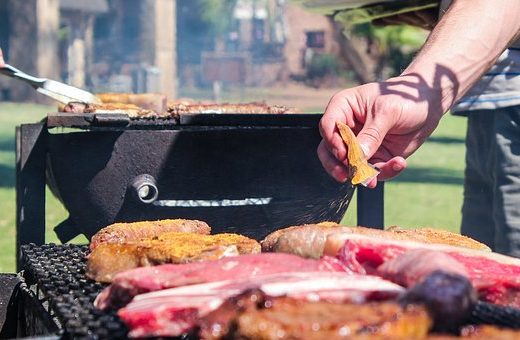
Food preparation methods also contribute to increased risk of cancer. High heat, such as in braaiing, frying and grilling causes the production of carcinogenic substances, particularly in meat. Heterocyclic amines (HCAs) are DNA-damaging compounds, mostly from creatine in muscle cells. These substances are found in red meat, as well as fish and chicken. Fat dropping onto open fires from meat is converted into polycyclic aromatic hydrocarbons (PAHs) which adhere to the surface of food, and are considered to play a significant role in contributing to human cancers.
Nitrates and nitrites used in preserving meats and maintaining colour are well known to cause cancer. (Sorry South African traditionalists who enjoy their weekend braais!)
Fatty foods have a strong hormonal influence on the body. High fat diets increase the amount of oestrogens in the blood, which can stimulate oestrogen receptor-positive breast cancers in both men and women. These diets also reduce the production of sex-hormone binding globulins which are hormone carrier chemicals in the blood, that help to reduce exposure of the tissues to hormones. The Harvard University conducted Nurses Health Study, which includes 90,000 women, showed that the women who had eaten the most animal fat had significantly higher risk of breast cancer, compared with women who ate the least. However other studies have shown that any high fat diet, even vegetable oils, increases the risk of invasive breast cancer. The same applies to prostate cancer in men.
Exercise:
It is difficult to separate out pure lack of exercise, or if those who exercise the least are also those more likely to live unhealthfully in other ways. Nevertheless, exercise reduces inflammation, promotes better circulation, promotes healing and boosts the immune system. It is also difficult to smoke when you are jogging or swimming!!
So what, you may say. We all have to die some time. Why can’t I just enjoy myself. I have precious few pleasures anyway. Food is more important to me than worrying about cancer.
Living a healthy life is not about the negatives. Yes, we do need to know what constitute risky behaviours, and limit those as much as possible. But it is more important to focus on the positives resulting from making healthy choices. As a former president of the American College of Lifestyle Medicine, Dr David Katz commonly quips, “healthy lifestyle choices add years to your life and life to your years”. It is about trying new ways of social connection; about adding dimensions to our lives that improve the quality of our lives and help us to feel great and full of energy. We can look forward to living long and productive lives, free from so many of the ailments that bedevil our friends and family.
In our next article we will look at lifestyle interventions that can significantly reduce the risks of developing cancer, but that also can impact on our general health as well.
To a healthier life!
Dave Glass
MBChB, FCOG (SA)
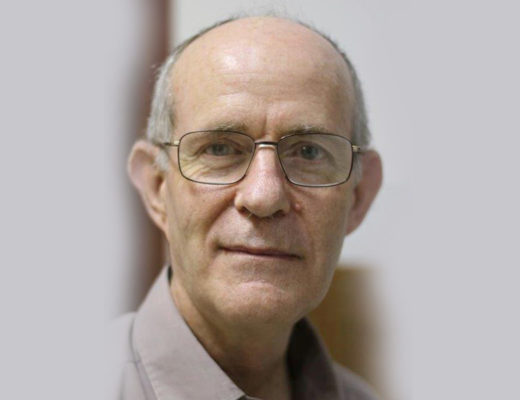
David Glass graduated from UCT in 1975. He spent the next 12 years working at a mission hospital in Lesotho, where much of his work involved health education and interventions to improve health, aside from the normal busy clinical work of an under-resourced mission hospital.
He returned to UCT in 1990 to specialise in obstetrics/gynaecology and then moved to the South Coast where he had the privilege of, amongst other things, ushering 7000 babies into the world. He no longer delivers babies but is still very clinically active in gynaecology.
An old passion, preventive health care, has now replaced the obstetrics side of his work. He is eager to share insights he has gathered over the years on how to prevent and reverse so many of the modern scourges of lifestyle – obesity, diabetes, ischaemic heart disease, high blood pressure, arthritis, common cancers, etc.
He is a family man, with a supportive wife, and two grown children, and four beautiful grandchildren. His hobbies include walking, cycling, vegetable gardening, bird-watching, travelling and writing. He is active in community health outreach and deeply involved in church activities. He enjoys teaching and sharing information.