WHEN we visited Kruger National Park a few years ago, driving from the far north southward, we reached Satara to find that a so-called mega-pride of lions had moved into that area.
It was raining lions. They were everywhere and this amazing big cat glut continued all the way south as we completed our itinerary. That trip was all about lions, but on our most recent Kruger holiday it was another species that dominated.
YOU MIGHT ALSO BE INTERESTED IN : Tent Travels: The Gauteng merry-go-round
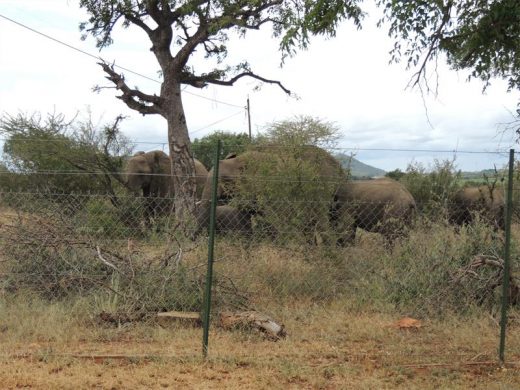
The first few hours in the park set the scene. After entering through Malelane Gate we drove the short distance to Malelane Camp where we would spend our first Kruger night. We were greeted by a welcoming committee of five elephant who oversaw the setting up of our first camp. It was a sign of things to come. This year’s Kruger adventure would be all about elephants.
It was of course not only about elephants. Throughout our stay we enjoyed phenomenal game viewing, encountering an amazing variety and large numbers of animals and birds, but it was elephants that made the biggest impression this time round. I don’t think I have ever enjoyed such wonderful encounters with so many big breeding herds.
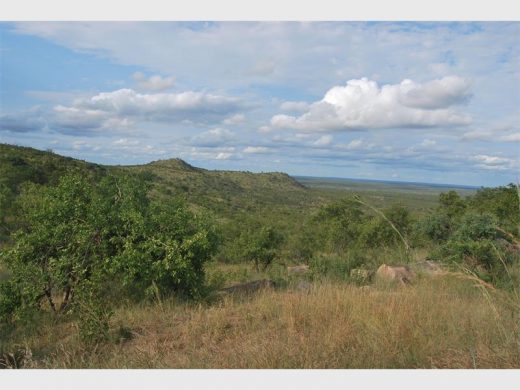
Malelane, Kruger’s most southerly rest camp is, I think, somewhat under-rated. Situated on the Crocodile River, it is small, quiet, peaceful and somewhat overshadowed by its nearest neighbour, the very popular Berg-en-Dal. While Berg-en-Dal is a stunning rest camp and one we usually include in our itinerary, we’d decided to give it a miss this time round, in favour of lovely little Malelane.
It does have a few disadvantages. The fact that you can look into the ‘real world’, which it borders, is a little off-putting.
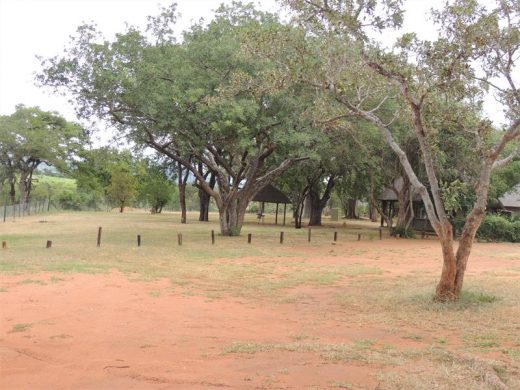
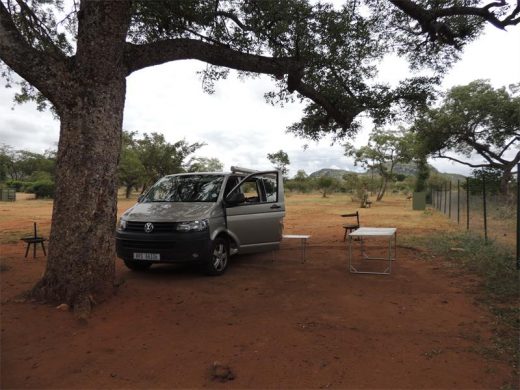
Although its few huts are situated in a pretty, well-treed spot, the camping area is a little lacking in shade and some of the sites are rather hot. The young trees scattered around the sites are growing quite fast, though, and this lack of shade should soon be remedied.
Malelane is rather under-populated at the best of times, but it was incredibly quiet now. It was a trend that continued throughout our stay. The scorching January and February high summer period might be a bit too balmy for some visitors, but it is the perfect time to visit the park if you want to avoid the madding crowds. With just one other tent in the camping area, we had a wide choice of sites and were able to set up camp beneath a big, leafy Maroela tree. Its bountiful crop of fruit, which it scattered liberally on the ground on both sides of the fence, might have had something to do with the elephants’ visit. Throughout the park the maroelas were fruiting abundantly and we noticed that the elephant dung on the roads was full of maroela pips.
It is not only elephants that appreciate this annual glut of Vitamin-rich fruit. Humans use the maroelas to make all sorts of jams and jellies, not to mention a few flavoursome alcoholic beverages. The trees are such prolific fruit-bearers, they really do seem to have huge commercial potential.
We had a quick lunch, joined by the ellies who munched and crunched their way through their vegan meal on the other side of the fence, then we set off to explore the area.
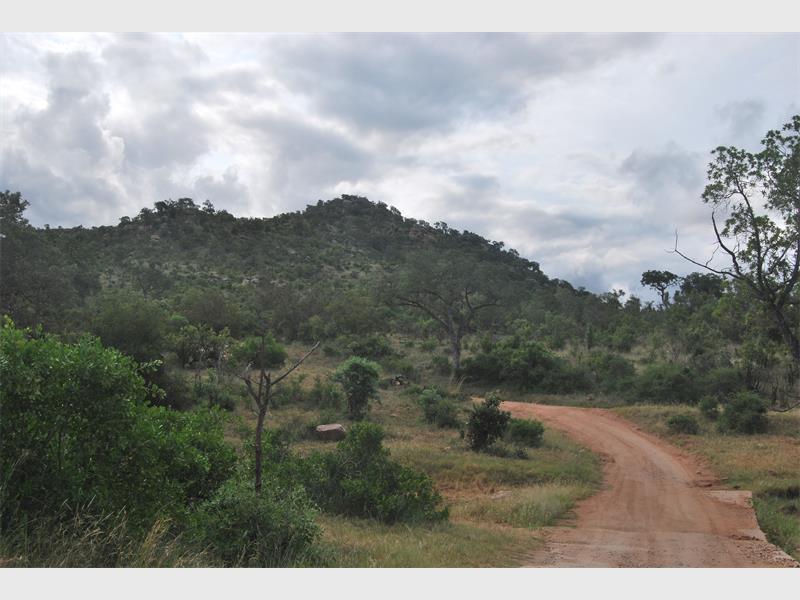
Our last visit to the park had been in September 2016, a dry season at the best of times but this had been at the height of the prolonged drought much of South Africa had recently endured. We’d stayed in Malelane and Berg-en-Dal camps during that visit and this area, usually very scenic, had been particularly hard hit, with barely a blade of grass greening the thirsty earth. One must accept drought as a natural part of the grand circle of life, but it can be so distressing to see its devastating effects.
This time round, all had changed and the area was fully restored to its verdant glory. Lush green vegetation blanketed the hills and dales, softening the rocky terrain, and all the pans and pools were full of water.
We’d been on the road all morning, driving to Kruger from Gauteng, so we only did a short circuit around Berg-en-Dal as our afternoon drive. After following a section of the Matjutu Loop, which overlooks the almost-always productive Matjutu pan, we turned onto the Mtambane Loop, alongside the Mtambane River, then headed back home via the S114 and main H3 tarred road.
With two of the ‘big five’ ticked off by the end of our drive – only buffalo, lion and leopards still to go – we felt we’d had a pretty productive afternoon. We’d also seen big herds of impalas with plenty of babies, a couple of small herds of zebra, an amazing selection of beautiful birds and a single, lonely giraffe – not a bad start for our Kruger explorations.
Back in camp, we discovered the only other two people camping were part of the party of eight German tourists – the other three couples were staying in the huts. It was the first night of their first-ever visit to Kruger and they were ecstatic.
They had made a big campfire and it snapped and crackled briskly, the flames dancing merrily while they ate their starlit al fresco meal. An owl hooted, spooky hyenas cackled, a nightjar asked the ‘Good Lord to deliver us’ and, in the distance, jackals sang their haunting arias. It was a magical African night and they were loving every minute of their Malelane experience.
The bigger Kruger camps might have more going for them in the way of shops, restaurants and other mod cons. However, you can’t beat the smaller, tranquil, satellite camps like Malelane for authentic African atmosphere and the quality wilderness experiences they provide.
HAVE YOUR SAY
Like our Facebook page, follow us on Twitter and Instagram
For news straight to your phone, add us on BBM 58F3D7A7 or WhatsApp 082 421 6033