A company called The Impossible Burger is producing a meat taste-alike, look-alike, smell-alike from laboratory-produced soybeans, wheat protein, potato derivative, selected nutrients and a touch of coconut oil. The company was established by a biochemist, Dr Pat Brown, who has collected around him an international team of scientists in a laboratory in California. Dr Brown believes that the world is running out of space to nurture and feed meat-producing animals and his team have calculated that 30 and 45 percent of Earth’s ice-free land is being used for this purpose. He says there is a great swing to more and more meat-eating as so much of the world’s population becomes more affluent.
YOU MIGHT ALSO BE INTERESTED IN : From my Hide – The day of the sparrow
The Impossible Burger is already available in about 40 restaurants across the United States and many Americans have said that they prefer this new product to the original beef burger.* The jury is still out on what braai-loving, meat-eating South Africans will think of the idea.
Staying with the subject, the World Health Organisation (WHO) says the growing international demand for meat is leading to a burgeoning of so-called factory farms, but both these phenomena are in fact having grave consequences for human health. The report says that factory farming employs practices such as the indiscriminate use of antibiotics (leading to widespread resistance to antibiotics among humans), the close (and cruel) confinement of animals and unsustainable mass production, all of which cause health problems. The WHO report says that in the past most objections to factory farms were around animal welfare and environmental concerns, but the global health problems caused by these farms now needs serious and urgent attention.*
Further to this and the spread of listeriosis, concerned ornithologists have issued an urgent appeal to people NOT to feed woolly-necked storks on processed meat like polony and Vienna sausages.
Far from doing the birds a favour, it is in some cases killing them. There is plenty of natural food available for our beloved storks, like frogs, so rather leave it to nature.
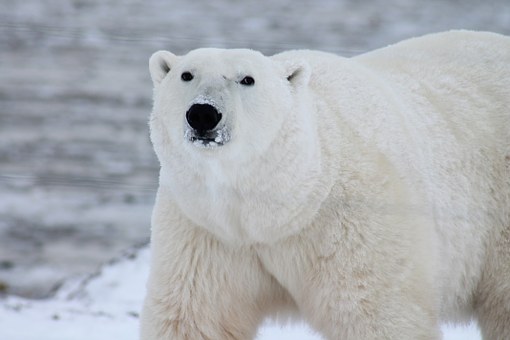
And finally, Europe, including the UK (although the UK is trying desperately not to be part of the EU) has been having some awful weather recently, calling it the Beast from the East (it’s sort of Siberia-ish), but there is surely no reason to go this far. Britain has announced the birth of its first polar bear in 25 years. The cub, it’s sex has yet to be determined so it hasn’t been named yet, is the offspring of proud papa and mama polar bears, Victoria and Arctos, in the Royal Zoological Society of Scotland’s Highlands Wildlife Park.**
Ah, yes, a 69-year flash back to 1949 when as a small boy I enthusiastically celebrated the birth of Britain’s first ever polar bear, Brumas. It was Brumas everything – postcards, stuffed toys, even polar bear-shaped soap (there were no T-shirts in those days, but at least everything was made in Britain). It was a joyous time.
YOU MIGHT ALSO BE INTERESTED IN : From My Hide: Rare pine martens remain elusive
Finally, today, Thursday, is World Water Day. Please do your bit, save water.
*Third World Resurgence, the journal of the Malaysia-based Third World Network.
**The Week: The Best of the British and Foreign Media.
HAVE YOUR SAY
Like our Facebook page, follow us on Twitter and Instagram
For news straight to your phone, add us on BBM 58F3D7A7 or WhatsApp 082 421 6033