In the last article we spoke about the factors that increase the incidence and risks of cancer. These include exposure to cancer producing substances in our environment, the most prevalent being carcinogenic substances we expose ourselves to. We mentioned types of foods which are known to increase the most common cancers such as breast, prostate, colon and increasingly pancreas; and we also touched on increasing rates of cancer with changes in lifestyle towards the western high fat, high protein diet.
YOU MIGHT ALSO BE INTERESTED IN: Turning the Tide on Lifestyle Diseases: Fighting the scourge of cancer (part 1)
This article will examine positive behaviours that can reduce the risks, and slow down the progress, and in some cases even reverse the growth of cancers. In the past oncologists were known to tell their patients that diet and lifestyle don’t make much difference to the outcomes of treatment. But that has changed. The American Cancer Society in 2015 presented a comprehensive review of three factors which can profoundly affect outcomes of cancer treatment: losing weight, exercise and diet. https://onlinelibrary.wiley.com/doi/epdf/10.3322/caac.21265.
Weight loss: A future article will look at the most reliable and rational way to lose weight. One of the principles is to change to a low energy-dense diet. This involves cutting back on processed foods which tend to concentrate kilojoules by removing fibre and other natural nutrients. Another principle is consuming more fruits and vegetables and whole foods. Even losing five kilograms of weight can make a difference to health and long-term prognosis.
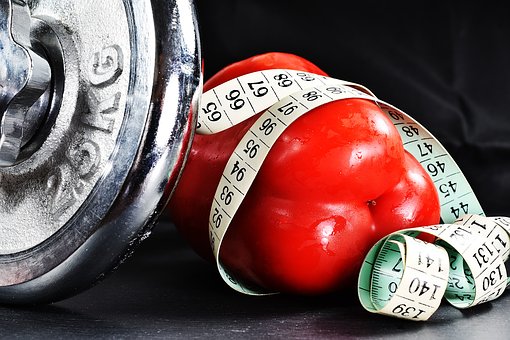
Exercise: Current recommendations are 150 minutes per week of low intensity exercise such as walking, or 60 minutes per week of high intensity exercise such as jogging or cycling – activities that make you break out into a sweat and breathe deeply.
Dietary recommendations by the American Cancer Society are: Increasing consumption of fruits and vegetables to at least 5 per day and use of whole-grain cereals. Other recommendations by other experts include the increased consumption of legumes, the moderate use of seeds/nuts and the limitation of processed and red meats.
Foods designed to promote healing:
We have been created with the ability to see colour. This not only enhances our appreciation of the beauty in the world around us, which in itself promotes calmness of spirit, but also makes food more attractive. There is a rainbow of colourful foods – greens, reds, oranges/yellows, purples, blues and white/brown foods. These colours not only are attractive but are associated with health-promoting phytochemicals.
Red foods: One of the phytochemicals shown to reduce the risk of prostate and breast cancer is lycopene. This is found in tomatoes, watermelon and pink grapefruit. Cooked tomatoes provide an excellent source , thus the benefits of tomato puree and paste, tomato sauce and chopped cooked tomatoes. Red foods also include peppers, strawberries, raspberries, cranberries, pomegranates, red apples, grapes, beetroots, cherries and red onions.
Yellow and orange foods: These foods contain important phytochemicals such as carotene, vitamin C and hesperidin. We all know carotene is good for eyesight, but it is also a potent anti-oxidant that can reduce the risk of breast cancer recurrence. Just eating two carrots per day significantly reduced the recurrence rate of cancer in one Canadian study. Vitamin C enhances the immune system and the integrity of cell walls. Hesperidin found in citrus improves blood flow and can reduce the risk of strokes and poor peripheral circulation. Examples of green/yellow fruits and vegetables include oranges, naartjies, lemons, grapefruits, pawpaws, summer melons, carrots, yellow and orange peppers, pumpkin and butternut squash, pineapples, nectarines, peaches and mangoes.
Green fruits and vegetables: One lifestyle specialist calls the green vegetables the fire-department of the body, in their ability to suppress inflammation and restore normal function to inflamed organs. Green plants contain many phytochemicals – lutein, isothyocyanates (as found in the cabbage family), isoflavones (as found in soybeans), vitamin K and folic acid. Cruciferous vegetables like cabbage and broccoli have been shown to boost immunity. Dark leafy vegetables like kale can enhance mood. Kale has also been called one of the most nutritious foods. Examples of green vegetables include, brussels sprouts, spinach, cabbage, romaine lettuce, mustard spinach, bok choy, green beans, edamame, avocado, green apples, green grapes, kiwi fruit, rocket, peas, zucchini squash, gem squashes, mfino, and merogo (traditional wild vegetables used in rural areas).
Blue and purple fruits and vegetables are important in cancer prevention and control. They contain anthocyanins and resveratrol, which both have anti-cancer and anti-ageing properties. Anti-oxidants in berries are active in reversing damage from oxidative stress and inflammation. Examples of blue and purple foods include: blueberries, blackberries, mulberries, purple/red cabbage, red/purple grapes, eggplant, purple onions, plums, prunes and figs.
White and brown fruits and vegetables are also good at controlling cancer, protect the bones and are heart healthy. Cauliflower belongs to the brassica family and is rich in anti-cancer sulforaphane; garlic and onions have two cancer-fighting substances called allicin and quercetin. Examples of some of these fruits and vegetables include potatoes, parsnips, mushrooms, cauliflower, onions, garlic and horse-radish.
YOU MIGHT ALSO BE INTERESTED IN: FREE lifestyle health seminars offered in Port Shepstone
Legumes in preventing and controlling cancer
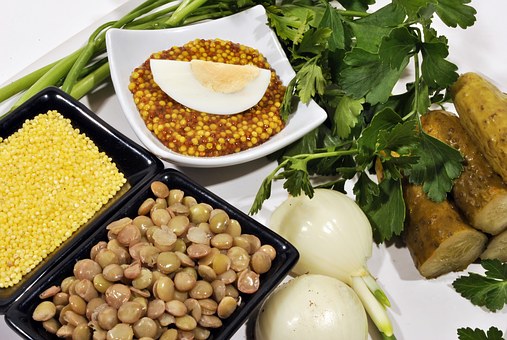
Legumes form an important part of most traditional diets. These include, beans, peas, lentils, chick-peas, quinoa, soy and peanuts. They are an important source of protein but also are rich in fibre, folic acid, iron and phytochemicals. According to the American Institute for Cancer Research (AICR), pulses contain other health-promoting substances that may also protect against cancer:
- Lignans and saponins
- Resistant starch, starch not digested in the small intestine, is used by healthful bacteria in the colon to produce short-chain fatty acids, which seem to protect colon cells.
- Antioxidants from a variety of phytochemicals, including triterpenoids, flavonoids, inositol, protease inhibitors and sterols.
Many people complain that beans cause gas, and thus avoid these important foods. A few tricks can reduce the problem. Firstly, our gut flora changes as we introduce legumes into our diets, and it is useful to do this gradually. People who have used lots of legumes for years rarely have a problem. Some legumes are less gas producing – e.g. peas and lentils, compared to dry beans. Also soaking the beans for 12-24 hours breaks down oligosaccharides responsible, as does chewing your food properly.
Fibre in the diet
Dry beans and other legumes contain dietary fibre. After a systematic review of the global scientific literature, AICR/WCRF (World Cancer Research Fund) weighed the strength of the evidence and concluded that foods high in dietary fibre convincingly lower the risk of colorectal cancers.
What about isolating the beneficial substances and taking these as supplements?
It would be so convenient to pop pills containing the beneficial phytochemicals, rather than having to go to the trouble of eating all these different foods. However, studies conducted which tried that approach found that rather than being protective, they actually increased the diseases they were supposed to be helping. Once again, we have learned that human efforts at trying to improve on the original design, the complex package of foods as presented in nature, is flawed. We are only scratching the surface of knowledge about the complex interplay between our bodies and the hundreds of thousands of phytochemicals in plants.
Studies in genetic expression and lifestyle changes
We do know that cancer is to a certain extent promoted by genetic make-up. Certain people have a genetic predisposition to the development of cancer. However, some very hopeful research is beginning to prove that it is possible to change the gene expression which can correlate with long term outcomes.
Dr Dean Ornish who is a doyen of lifestyle medicine, and the first to scientifically prove that intense lifestyle changes can reverse heart disease almost 40 years ago, has headed up new research that shows that lifestyle changes can alter gene expression in prostate cancer as well.
He says “After three months of a diet (low in animal fats, and rich in whole foods), we repeated the biopsy and looked at changes in normal tissue within the prostate. We found that many disease-promoting genes (including those associated with cancer, heart disease, and inflammation) were down-regulated or ‘turned off,’ whereas protective, disease-preventing genes were up-regulated or ‘turned on.’ For example, a set of cancer-promoting oncogenes called RAS was down-regulated in these men. The Selectin E gene (which promotes inflammation and is elevated in breast cancer) was down-regulated. Another gene that suppresses tumour formation called SFRP was up-regulated, thereby reducing the risk of cancer.
These genes are the target of many new drugs that are being developed. Clearly, changing lifestyle is less expensive, and the only side-effects are good ones.” (emphasis supplied). ( https://paact.help/changing-your-lifestyle-can-change-your-genes-dean-ornish-md-2011/). Up to 500 genes related to either suppressing cancer growth or increasing the body’s response to cancer were affected, according to this study.
Other studies looking at response of prostate specific antigen (PSA) levels in those with low-grade prostate cancer showed positive improvements proportional to the amount of lifestyle changes adopted. Basically you get the outcome that you commit to.
What is the good news?
There are numerous reports of dramatic reversals of cancer growth, or at least slowing down of progress, with lifestyle changes. There are even a few reports of spontaneous cure. There are also reports of cures related to miraculous events and spiritual interventions. Although these are few and far between, we can still do much to improve the prognosis.
But why wait until you have cancer? Why not make changes to a risky lifestyle now – and the answer is to increase whole, plant-based foods, and cut back on highly processed foods, diets rich in refined foods, sugar, oils and animal products. By eating the foods we were designed to eat we allow the full potential of health promoting phytochemicals to exert their powerful healing effects upon our bodies. We don’t promote fad diets, or highly restrictive diets, but good science and common sense.
To health and longevity.
Dave Glass

David Glass graduated from UCT in 1975. He spent the next 12 years working at a mission hospital in Lesotho, where much of his work involved health education and interventions to improve health, aside from the normal busy clinical work of an under-resourced mission hospital.
He returned to UCT in 1990 to specialise in obstetrics/gynaecology and then moved to the South Coast where he had the privilege of, amongst other things, ushering 7000 babies into the world. He no longer delivers babies but is still very clinically active in gynaecology.
An old passion, preventive health care, has now replaced the obstetrics side of his work. He is eager to share insights he has gathered over the years on how to prevent and reverse so many of the modern scourges of lifestyle – obesity, diabetes, ischaemic heart disease, high blood pressure, arthritis, common cancers, etc.
He is a family man, with a supportive wife, and two grown children, and four beautiful grandchildren. His hobbies include walking, cycling, vegetable gardening, bird-watching, travelling and writing. He is active in community health outreach and deeply involved in church activities. He enjoys teaching and sharing information.
HAVE YOUR SAY
Like the South Coast Herald’s Facebook page, follow us on Twitter and Instagram
For news straight to your phone, add us on WhatsApp 082 421 6033