Turning the Tide on Lifestyle Diseases: Food addiction – is it a reality?
To be successful with changing your diet, you need to set up a system – organise your eating and preparation of foods ahead of time, so that the decision is made when your will power centre is still fresh and active.

According to the American Psychiatric Association: “Addiction is a complex condition, a brain disease that is manifested by compulsive substance use despite harmful consequence. People with addiction (severe substance use disorder) have an intense focus on using a certain substance(s), such as alcohol or drugs, to the point that it takes over their life. They keep using alcohol or a drug even when they know it will causes problems.”
YOU MIGHT ALSO BE INTERESTED IN: FREE lifestyle health seminars offered in Port Shepstone
According to this definition, food addiction is a reality, and can be just as difficult to overcome as any other substance or behavioural addiction. To quote again: “People with a substance use disorder have distorted thinking, behaviour and body functions. Changes in the brain’s wiring are what cause people to have intense cravings for the drug and make it hard to stop using the drug. Brain imaging studies show changes in the areas of the brain that relate to judgment, decision making, learning, memory and behaviour control.”
Susan Pearce-Thompson PhD is a neuroscientist who comes with a personal history of addiction to “recreational drugs” but also food addiction. Thanks to insights she gleaned from her studies she was able to reverse her morbid obesity and overcome her addiction and has been right sized for the last 12 years. She has lectured and written a book and now runs a very successful on-line course in weight loss which has one of the best long-term success rates in the world.
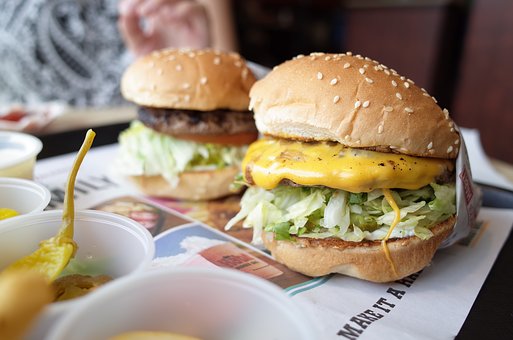
Studies have shown that only around 1% of obese people get back to normal size with common dietary interventions and only 1% maintain that weight in the long term. Those figures would discourage most dieters. What then is the solution to this dilemma? There are literally thousands of “solutions” out there from medications to special shakes and secret ingredients, to medications, to bariatric surgery. We all know the yo-yo effect of various crash diets – lose weight for a few weeks or months, then all the weight and more comes back.
INTERNATIONAL: Japanese confirmed as world’s oldest living man aged 112
Do you have an addiction to food? Try out this quiz. https://foodfreedomquiz.com/14dc-quiz/
Dr Pearce-Thompson identifies a few parts of the brain that are responsible for controlling weight gain. Firstly, our brain is wired to block weight loss. If this was not the case, we would battle to maintain a healthy weight.
Willpower is a measurable brain function and is situated in the anterior cingulate cortex just behind the prefrontal cortex. It is affected by glucose fluctuations and also slows down after 15 minutes of heavy use, when it becomes tired and ineffective.
This can be a problem when you are trying to use your will power to control temptations to overindulge, or to eat addictive foods.
Other functions controlled by the anterior cingulate cortex include decision-making, emotional regulation and task performance. If you have had a stressful day, by the time you get home your will-power is shot, and any plans to eat a healthy meal go out the window. Most people know what is good for them, but knowledge alone is not enough. It is important to know how to create systems to bypass will-power fatigue.
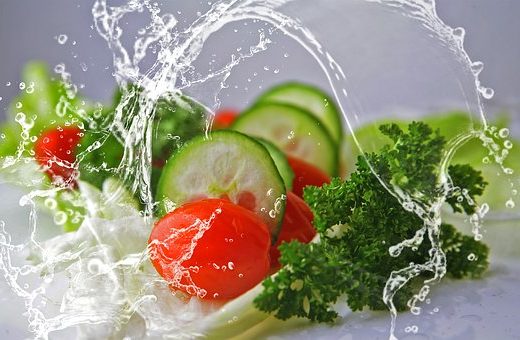
The way to do that is to create automaticity. You don’t have to have willpower to brush your teeth. You do it irrespective of your moods. It has become second nature. However, for a child still learning, brushing the teeth can become a challenge – it takes active decision making. To be successful with changing your diet, you need to set up a system – organise your eating and preparation of foods ahead of time, so that the decision is made when your will power centre is still fresh and active. For breakfast you have everything ready to go; lunch time is organised and ready just for the final preparation. Dinner is likewise prepared, so you don’t have to sit and think about what you want when you are already tired and too bothered to prepare food from scratch.
The next principle of successful combating of food addiction is creating” bright-lines”. These are no-go areas. Eating the occasional sweet or biscuit may be fine for someone who is not battling with food addiction, but it doesn’t help for an addict to eat sweets or drink sugar-laden fizzy drinks or eat ice-cream. You wouldn’t expect an alcoholic to stay free if they were working as a bartender.

Another principle or “bright line” is sticking to meal times, and the more consistent these are the better. If your body never knows when the next meal is, it confuses the system and allows for episodes of low sugar. Remember fluctuations significantly affect the function of the will-power centre. If you do have dips, it would be good to have access to healthful snacks, such as fruit, rather than reaching for a chocolate bar or some other high-energy fast-food.
YOU MIGHT ALSO BE INTERESTED IN: Turning the Tide on Lifestyle Diseases: The obesity epidemic – a symptom of a deeper problem
You may well have to cut out all addictive foods. The most important of these is sugar. Others that have been identified by various experts (Dr Alan Goldhamer and Chef AJ) include oil, refined flour, alcohol and salt – SOFAS. (Obese people tend to spend a lot of time on their sofas). Up to 80% of processed food in the USA is laced with sugar, and I suspect the same may be for South Africa. Often the sugar content is hidden behind various labels, such as dextrose, maltose, sucrose etc.
Oil is the most energy dense food known to mankind, and certainly can stimulate dopamine response (the feel-good chemical) – just think of the yummy taste of fried foods!
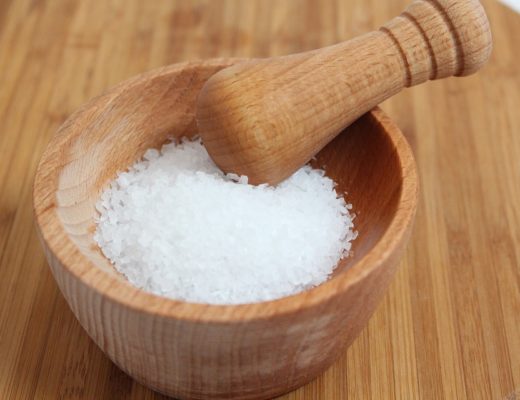
Flour is highly refined and just like cocaine and heroin in their refined states can result in addiction – hence the attraction to white breads and pastries. We all know the addictive properties of alcohol – which has more kilojoules than carbs and proteins, almost as much as fats. Alcohol can also depress the will-power centre. Salt is a necessary ingredient for life, but too much also stimulates the appetite, and makes food “more-ish”.
Have you thrown up your hands in discouragement by now? Well, remember if you have a drastic problem, you need a drastic solution. Dr Pearce-Thompson starts her programme with a 2-week boot camp where all this information is taught, and changes begun. She then has on-line on-going support which is the secret of her success.
Brain scans of obese people show that dopamine receptors in the nucleus incumbens are significantly thinned out, similarly to those in drug addicts. Addicts need to constantly stimulate those flagging dopamine receptors with the addictive substance to feel normal – not to feel high. So, when you see someone who is addicted to food “grazing”, just realise that they are feeling really low and needy – their dopamine levels are way down.
Those who speak from experience will tell you that addiction to food is worse than addiction to cocaine or heroin. You can stay away from places where recreational drugs are accessible, but food is a regular necessity. Addictive foods are readily available all around us. Food addiction is far more isolating and difficult to quit. It is embarrassing and shaming. Food-addicted people don’t eat food because they are hungry, but because they feel a craving – for a boost of dopamine in the brain produced by SOFAS.
One of the most important steps in overcoming food addiction is knowledge – both self-knowledge as well as knowing the process to achieve success. But as with any addiction, trying to overcome through self-control is almost impossible. It is important to involve support – from a spouse or good friend or professional person. As in the 12-step programme of Alcoholic’s Anonymous, it is also vital to invoke a Higher power. This is not something you can do on your own.
In the next article we will look at how the food industry either wittingly or unwittingly drives the food addiction and obesity pandemic.
To a healthier life,
Dave Glass

David Glass graduated from UCT in 1975. He spent the next 12 years working at a mission hospital in Lesotho, where much of his work involved health education and interventions to improve health, aside from the normal busy clinical work of an under-resourced mission hospital.
He returned to UCT in 1990 to specialise in obstetrics/gynaecology and then moved to the South Coast where he had the privilege of, amongst other things, ushering 7000 babies into the world. He no longer delivers babies but is still very clinically active in gynaecology.
An old passion, preventive health care, has now replaced the obstetrics side of his work. He is eager to share insights he has gathered over the years on how to prevent and reverse so many of the modern scourges of lifestyle – obesity, diabetes, ischaemic heart disease, high blood pressure, arthritis, common cancers, etc.
He is a family man, with a supportive wife, and two grown children, and four beautiful grandchildren. His hobbies include walking, cycling, vegetable gardening, bird-watching, travelling and writing. He is active in community health outreach and deeply involved in church activities. He enjoys teaching and sharing information.
HAVE YOUR SAY
Like the South Coast Herald’s Facebook page, follow us on Twitter and Instagram
For news straight to your phone, add us on WhatsApp 082 421 6033