There are two interesting stories from Turkey, one good and the other bad, but first the good news – wheat and sesame seeds found on an eighth century BC archaeological dig in eastern Turkey, are to be regenerated in a laboratory situation. If the regeneration of the seeds is successful, it may mean that someone is going to be baking and eating a 28-hundred year old sesame seed loaf.
YOU MIGHT ALSO BE INTERESTED IN : From my Hide: An interesting perspective of life in space
And now the bad news – a 12-thousand year old archaeological site in south eastern Turkey looks as though it could be destroyed by the construction of a hydro-electric scheme on the Tigris River. The proposed project has always been controversial. It is feared that if it goes ahead, and that seems likely, not only will this site be inundated, but also more than 300 other archeological sites that have yet to be explored. The water behind the proposed dam will rise up to 60 metres in places and apart from the cultural aspects, it is also feared that the project could also totally destroy the entire ecosystem of the Tigris River basin. The Tigris rises in south eastern Turkey and flows all the way through Iraq to eventually open into the Persian Gulf – the Tigris and the Euphrates Rivers encompass one of the ancient centres that gave rise to civilization.*
Moving on, another of Africa’s great conservationists, Daphne Sheldrick, has died in Kenya. Daphne, or more correctly Dr Dame Daphne Sheldrick DBE, was born in Kenya and devoted most of her adult life to the conservation of Africa’s wildlife. Her particular love was for elephants and she became the first person to successfully hand-raise on special milk formulas both baby elephants and baby rhinos. This knowledge has been used by many conservationists over the years, particularly here in South Africa, but it is perhaps for her efforts to save Africa’s elephants for which she will be best remembered.**
Back home, the other day we were at our favourite fruit and veggie shop, Kumnandi (at Sebenza village in Margate) and witnessed a heart-warming birdy scene.
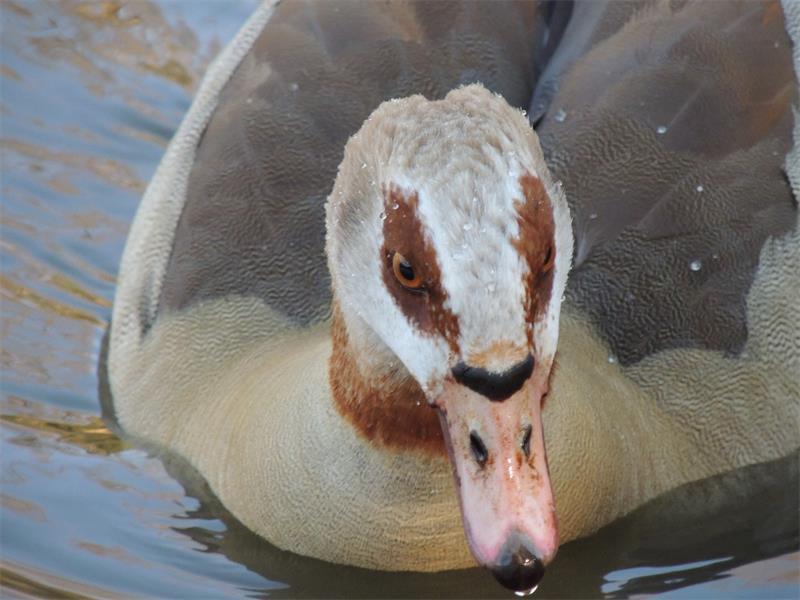
There is a duck pond outside the shop, always inhabited by a pair of very ordinary white ducks, but this time they had been joined by no fewer than five Egyptian goose goslings. They seemed quite happy, but on the outside of the fence around the pond, Mother Goose definitely was not. She was rushing up and down in a total panic, squawking as only an Egyptian goose can squawk. Eventually, she managed to join them at the pond (she must have remembered that she could fly) and it was a wonderful scene of reunion, with much quacking rather than squawking.
Kumnandi, by the way, is the local outlet for a wonderful training scheme for small-scale farmers, showing them the ropes in the production of organic fruit and vegetables. The programme is run by the Siyavuna Development Centre and so far they have trained about 2 000 such farmers, about 200 of whom keep the shop and many other outlets (some as far away as Durban), supplied.
*The Digging Stick: journal of the South African Archaeological Society.
**Save the Elephants News Service.
HAVE YOUR SAY
Like our Facebook page, follow us on Twitter and Instagram
For news straight to your phone, add us on WhatsApp 082 421 6033