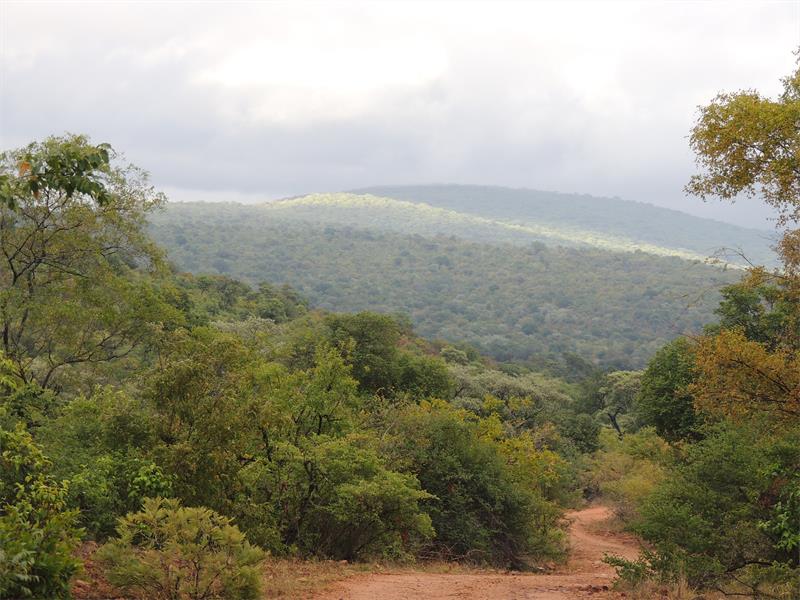
IT rained hard for most of the night so we had some mopping up to do before we set off for the Pafuri area as soon as gates opened at 5.30am. If you have never wandered far enough north to see this part of Kruger, I strongly advise you to make sure it is part of your Kruger itinerary on your next visit. Adjectives like magnificent or stunning just don’t do it justice.
YOU MIGHT ALSO BE INTERESTED IN : Tent Travels: Happy returns to the place of the striped donkey
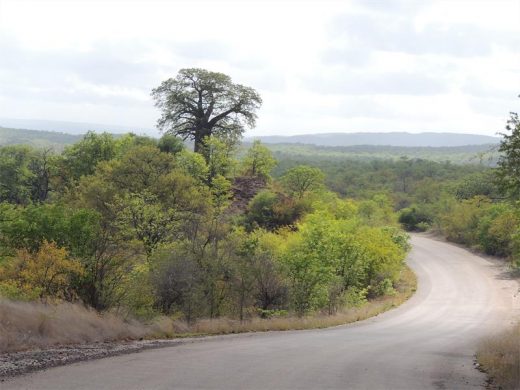
It was a slow drive north as the rain had left puddles on the road attracting thirsty tortoises and an abundance of bathing birds. There were also plenty of elephant and buffalo about as we made our way through dense mixed woodland, past many massive old baobab trees and alongside drier mopane scrub. The terrain is rocky and hilly here and the road drops about 200m in altitude as it heads towards the Limpopo basin.
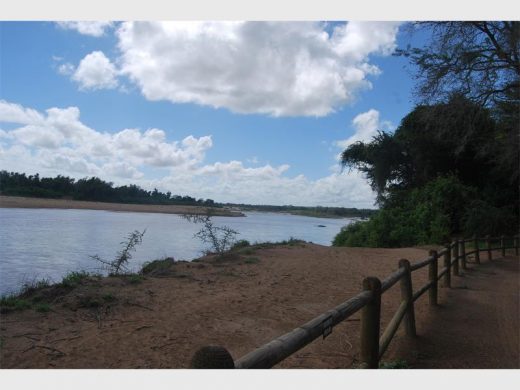
It is such a lush, life-sustaining and vibrant environment , watered by the mighty Limpopo River and its substantial tributary, the Luvuvhu.
One of our major waterways and the river that forms South Africa’s northern border, Kipling’s grey green, greasy Limpopo River starts its life as little streams and tributaries draining our highveld.
Although it is one of our many rivers that flow eastward to the Indian Ocean, it starts its journey on a north westerly projectile. Along this winding stretch, it is known as the Crocodile River.
En route, it is held captive for a while by the Hartbeespoort Dam. Then it flows onward past the attractive town of Thabazimbi to a dot on the map called Rooibokkraal. There the crocodile swings east to become the Limpopo and the border between South Africa and Botswana, then Zimbabwe then Mozambique, the country in which it finally ends its journey to the sea.
Three countries, South Africa, Mozambique and Zimbabwe, meet at the triangular piece of land at the rivers’ confluence in a remote but well-visited spot right on the edge of Kruger. Aptly, it is known as Crook’s Corner. Once the refuge for all sorts of robbers, rustlers, ivory poachers, gun runners, illegal labour recruiters, horse thieves and other scoundrels, the remote Crook’s Corner allowed fugitives to evade the long arm of the law simply by hopping over a beacon into another country.
YOU MIGHT ALSO BE INTERESTED IN : Tent Travels: A rustic gem in a rocky setting
And even if law enforcers from all three countries arrived simultaneously, the miscreant could still escape arrest by perching on top of the beacon and claiming to be in no-man’s land.
One of the most notorious of the shady characters who frequented Crooks corner was Stephanus Cecil Rutgert Barnard, who was known by the locals as Bvekenya – or ‘one who swaggers’. Many camp fire tales have been spun around the exploits of this legendary character. In his wonderful book, ‘Lost Trails on the Lowveld’, renowned South African author TV Bulpin shares stories about Bvekenya and some of the other colourful characters that are part of the intriguing history of Crooks Corner.
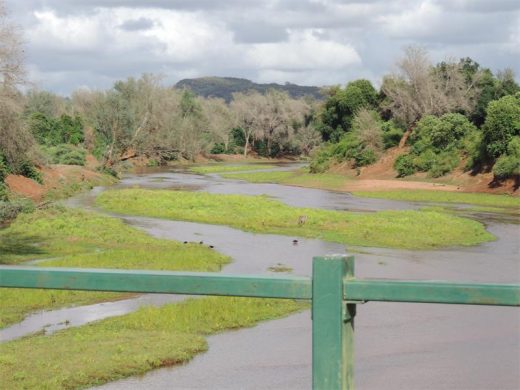
Today Crooks Corner is a tranquil, beautiful, watery place, set about with fever trees, but you can alight from your vehicle there and when you do, you might well glimpse a ghost or two, still lingering there from the confluence’s notorious past.
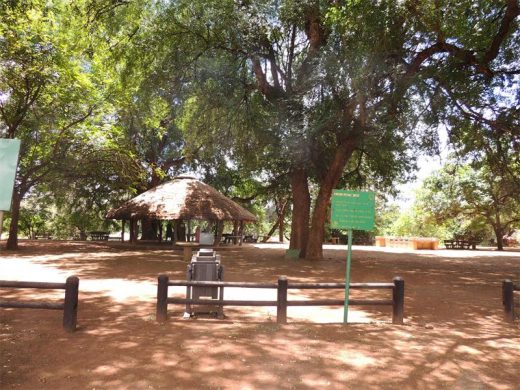
After stopping off at Crook’s Corner we back-tracked to the Pafuri picnic site for breakfast and to do some quality birding and tree hugging.
I had a long shopping list of avian specials I was hoping to spot but for once the birding at this famous picnic site was quiet.
However, a chance to reconnect with the magnificent riverine trees that shade this peaceful beauty spot more than made up for the lack of exciting birds.
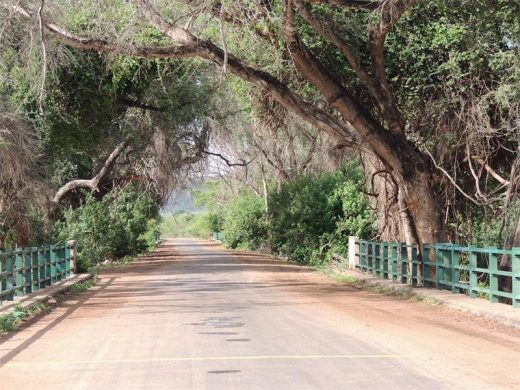
We spent the rest of the day exploring the loops and back roads that wind their way along the river banks, across flood plains, through stands of ilala palms and beneath forests of fever trees, sycamore figs, ana trees, mahoganies, jackal berries, nyala trees and other riverine giants. The Pafuri area is truly a tree-lovers’ paradise.
One the way home, the excellent birding made up for the picnic site lack and we soon started seeing the many lesser spotted eagles that had been drawn to that area by the gathering clouds. They had flown in, anticipating the flying ant glut that would accompany the rainfall.
It has started to rain again by the time we arrived back in camp and, with all the puddles and fast-filling streams and pools around Punda Maria the camp waterhole action had slowed down considerably.
All the same we enjoyed watching a big breeding herd of elephants having a drink and a splash that evening as well as some males, pushing and shoving each other around to claim the ‘soda fountain’, the popular freshwater inlet at the edge of the waterhole.
By 5.30am on our last of our three days at lovely Punda Maria, we were out and about, once again exploring the Mahoney’s Loop route. Although game-wise it was a bit quiet it was good to see that all the rivers and streams were flowing well. We took our time, driving very slowly and just enjoying one of the prettiest spots that Kruger has to offer. Back in camp we settled down to enjoy a quiet afternoon before trying out the flycatcher trail in the camp that evening. The birding along the easy-to-walk route was fabulous and the trail was lovely.
Perhaps because of its remoteness and because the in-camp hide encourages mixing, Punda is a particularly friendly rest camp and once again we’d met some lovely people during our three days there. That evening we spent a while stopping off at the various camp sites to say goodbye before another round of rain arrived to encourage us to head for bed.
Leaving Punda the next morning we wondered when next we would be able to visit this remote, wild and very beautiful rest camp and its gorgeous surrounds. It is truly one of South Africa’s most valuable natural gems.
HAVE YOUR SAY
Like our Facebook page, follow us on Twitter and Instagram
For news straight to your phone, add us on WhatsApp 082 421 6033