We recently took a drive through the Oribi Gorge Nature Reserve, inland of Port Shepstone.
We have done this many times before, but the impact of the gorge never fails to impress. It is without doubt one of the most spectacular pieces of country in our neck of the woods – with its towering sandstone cliffs and buttresses, dense vegetation and, at the bottom of it, quite naturally, the Umzimkulwana River which has been working on the gorge for millions of years.
YOU MIGHT ALSO BE INTERESTED IN : From my Hide: Reduce, re-use and recycle for World Environment Day
The gorge runs some 24km from west to east, with those cliffs rising up to 400m on either side and at its widest is about five kilometers across.
The Umzimkulwana rises somewhere around Harding, joining the longer Umzimkulu River east of the gorge – the Umzimkulu rises much further west and flows into the sea at Port Shepstone. There are leopards in the gorge, but you are unlikely to see one, baboons, vervet monkeys and samango monkeys, the only place you are likely to see these rare primates down here. The birdlife is good, there are plenty of eagles and forest birds, and we were fortunate enough to hear and see a trumpeter hornbill. Sadly, you are unlikely to see the antelope that gives the gorge its name, the oribi. This small antelope, which is declared endangered, may be seen in a dedicated sanctuary for them near the gorge.
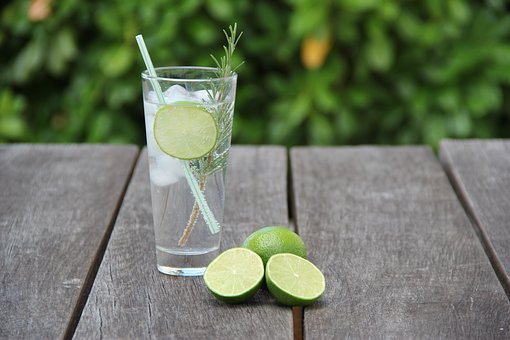
And now for something completely different, this Saturday (9th) is World Gin Day. This may be a new idea, but gin certainly isn’t.
The first record of gin distilling goes back to the early 1600s in Holland – the Dutch called it genever, which is where we get ‘gin’. It was originally sold as a medicine and distillers starting to add herbs (known as botanicals) to make it more palatable. British troops fighting in the 30 Years War in the first half of the 17th century were given a shot of gin before going into battle, hence ‘Dutch Courage’ and they took the idea back to Britain with them. It rapidly became the tipple of choice in Britain, in fact too much so, giving us another description of it – ‘Mother’s Ruin’.
Today gin is brewed around the world and is in fact going through something of a popularity revival. Real gin contains from six to ten botanicals, including the essential juniper, but also coriander, angelica, orange and lemon rind, cardamom, cinnamon and nutmeg. Today there are also so-called craft gins, very much specialties, including here in South Africa. Gin is of course the great cocktail ingredient, although a ‘G&T’ remains the most common order of the day. There is also the famous martinis (for the singular, martini for more than one), my favourite tipple before a Sunday lunch. Then there is the international favourite, the Singapore gin sling, served at the Long Bar at the Raffles Hotel (been there, done that).
And here is what I can only describe as heresy, now available in South Africa is beverage that is a non-alcoholic and sugar-free so-called G&T. Really – a G&T without the G? Come now. Cheers (no really, cheers!).
HAVE YOUR SAY
Like the South Coast Herald’s Facebook page, follow us on Twitter and Instagram
For news straight to your phone, add us on WhatsApp 082 421 6033