In the last blog we saw how the scourge of diabetes that is flooding the world can be likened to the Black Plague of the 14th century that devastated the population of Europe, killing millions of people.
In this episode we will delve into the anatomy and physiology of diabetes and the role of insulin in the body. The human organism is a highly complex system with incredible design.
YOU MIGHT ALSO BE INTERESTED IN : Turning the Tide on Lifestyle Diseases: Diabetes – the modern plague (part 1)
Imagine the infrastructure of a large city with all the road networks, telephone connections, sewage systems, power supplies, computer systems that keep everything working – and then all the people involved in keeping those systems in top shape. When you think of that complexity, you are only just scratching the surface of the complexity and integration of a single cell in the human body, let alone the whole organism with all its different organs and functions. And just as no complex city came about by accident or chance, so our bodies have an incredibly clever Designer.
Every single cell in the body requires energy to survive and function. The most important energy source is glucose. Most cells in the body can survive with the absence of dietary glucose by utilising fats and proteins to convert to glucose, but the primary physiological source of energy is still glucose. As complex carbohydrates are ingested they are broken down into simpler sugars by various enzymes in the digestion process and absorbed into the blood stream. Beta cells in the islets of Langerhans in the pancreas are able to sense the presence of glucose in the blood and respond by secreting the appropriate amount of insulin. Glucose cannot readily enter any cell in the body without the presence of insulin to (simplistically) unlock a door for the entrance of glucose into that cell, where it then powers metabolic functions.
YOU MIGHT ALSO BE INTERESTED IN: FREE lifestyle health seminars offered in Port Shepstone
If you want to see how complex this system is, look up this web site: https://themedicalbiochemistrypage.org/insulin.php
Just a brief comment about the difference between type 1 diabetes, and type 2 diabetes.
Type 1 diabetes is an auto-immune condition where the body attacks the beta cells in the pancreas and destroys them – thus removing the source of life-saving insulin.
People with this condition would die without the regular administration of insulin injections.
Type 2 diabetes is what we are addressing in this article. In this condition insulin is still being produced in the pancreas but is not effective in regulating blood glucose and glucose uptake by the muscle/liver cells. With prolonged insulin resistance and excessive stimulation of beta cells, they can become fatigued and no longer function optimally and even die off, leading to a need for insulin administration as well.
Some information on ways of measuring sugar and diabetes (for the technically minded)
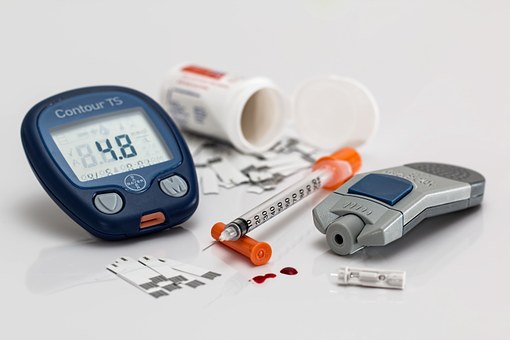
Blood levels of glucose are constantly changing, dependent upon intake and utilisation. We talk about normal ranges as follows.
The normal fasting plasma glucose level is less than 5.6mmol/l (100 mg/dl in USA literature).
The South African Endocrinology, Metabolic and Diabetes Association define diabetes mellitus as a condition fulfilling one or more of the following criteria:
– Fasting plasma glucose (plasma glucose measured before breakfast) is equal to or more than 7.0 mmol/l (126 mg/dl) on two separate occasions and/or
– Random plasma glucose (blood glucose measured at any time) is over 11.1 mmol/l (200 mg/ dl) and/or
– Two-hour plasma glucose during glucose tolerance test is over 11.1 mmol/l (200 mg/dl)
Impaired glucose or pre-diabetes is diagnosed if the 2-hour plasma glucose on a glucose tolerance test is between 7.8-11.0mmol/l. (140-196 mg/dl)
Impaired fasting glucose (IFG) is diagnosed if the fasting plasma glucose is between 6-6.9mmol/l. (106-124 mg/dl). (The WHO defines IFG cut-off at 6.1mmol/l.)
Mature red blood cells do not contain a metabolically active nucleus. They basically mainly contain haemoglobin, which is designed to carry oxygen around the body. High levels of blood glucose are transported into the red cells, but cannot be metabolised, so stay at peak levels until cell death in around 3 months. Thus measuring those levels gives a good assessment of long term blood glucose control. This is called the HbA1c.
HbA1c of 6.5% is recommended as the cut-point for diagnosing diabetes. A value of less than 6.5% does not exclude diabetes diagnosed using glucose tests. A glucose based measurement is desirable in individuals with HbA1c values close to the diagnostic cut-point (e.g. 6.0 to 6.4%).
Insulin resistance
Fundamental to the development of type 2 diabetes is the role of insulin resistance – the inability of the cells to respond appropriately to the presence of insulin in the blood and thus resulting in ever higher levels of both glucose and insulin in the blood, as the pancreas tries to “persuade” muscle and liver cells to take up glucose. In times past, (and even with many medical professionals today), it was claimed that excess carbohydrate intake was the main cause of insulin resistance. Around 14 years ago, studies using magnetic resonance spectroscopy were able to elucidate the intracellular causes of insulin resistance. These were found to be related to excess fat in both muscle and liver cells. You can study that for yourself by this scholarly review emanating from the American National Institute of Health. https://www.ncbi.nlm.nih.gov/pmc/articles/PMC3902166/ . To put it in simple terms, excess fat clogs up the keyhole so that the insulin key cannot unlock the door to allow glucose entrance into the cell. Thus more and more insulin has to be produced to get the same effect.
Insulin resistance can be related to genetic predisposition. Often people who are thus prone have a more apple shape with large abdominal girth, compared to the pear shape of big hips.
We know that diabetes and insulin resistance is more common in certain ethnic groups – Asians of Indian descent, Hawaiians, and Pacific Islanders. This is why diabetes is so prevalent in KZN.
People who have insulin resistance are very likely to develop type 2 diabetes, unless they change their lifestyles, or go onto carefully monitored treatment. By far the most healthful way to reverse this is by lifestyle – which we will cover later.
The best way to diagnose insulin resistance is to do a Glucose Tolerance Test. After fasting all night, you go to the lab and a sample of blood is taken to measure your fasting blood sugar. Then a dose of 75 grams of glucose is mixed in a glass of water and drunk. After 2 hours blood is sampled again and the blood glucose levels measured. Your doctor is able to then decide if your levels are within the normal range or indicate impaired or frank diabetic levels. If you have insulin resistance, the glucose levels will be elevated because the insulin is not able to carry the glucose into the cells. It is also possible to measure fasting insulin levels.
Another more recent discovery is that excess fat in the diet can also cause dysfunction of Beta cells in the pancreas. This results ultimately in less insulin being produced. Here is an interesting article with numerous references, if you are interested:
How do we correct the insulin resistance?
A very common medical advice is to cut down drastically on carbohydrates. Of course this sounds logical because if you have less glucose in your diet, you won’t need to use insulin to facilitate it’s absorption into the cells. But then you force the cells to use ketones – break-down products of fat – as sources of energy. This results in not utilising the primary source of energy, but a secondary source.
You will flat-line your blood glucose, not because you have solved the underlying problem, but because there is so little glucose in the diet, that the glucose levels cannot become elevated. People who go onto a ketogenic diet claim that they are reversing their diabetes because their markers of diabetes go down, they lose weight, and their need for medications reduces. But if you give them a normal diet with a normal amount of unrefined sugars, as in fruit, they often will show markedly elevated blood sugars again.
(A fuller discussion of the pros and cons of a ketogenic diet will come in a later blog.)

If, as we discussed before, the main cause of insulin resistance is the presence of too much fat in the cell (it goes by the fancy term intra-myocellular lipid), then if we can remove that excess fat in the cells, the problem of insulin resistance will be solved. How do we do that? Firstly by cutting way back on fat in the diet – both animal as well as plant fats. This means cutting down on fatty meats, fatty fish, eggs, cream, butter, cheese and margarine; as well as plant fats in the form of coconut oil, sunflower oil, canola oil, olive oil, fried foods, pastries and baked goods, (which are full of fats); and junk foods which are very fat rich.
You say, “Hey but aren’t fats essential for the healthy functioning of our brains, cellular function and cellular structure?” Of course. We are not talking about a normal healthy diet and the requirements for ongoing function. We are talking specifically about reversing insulin resistance and getting back to a healthy physiology. This is therapeutic intervention. In this situation, the best sources of fats are those found in whole foods – seeds, nuts, whole olives, avocados, vegetables and very limited lean meats and fish for those who prefer. All vegetables have some fats – necessary to maintain the structure of cells. Did you know that spinach is a good source of omega-3 fatty acid?
The second intervention is exercise – consistent exercise. This mobilises the fat globules inside muscle and liver cells and burns up that energy resource, making these cells once again more sensitive to insulin, and restoring normal physiology. The best forms of exercise are those that you will do – whether walking, dancing, swimming, cycling, working out in the garden (an excellent form of exercise), or gym if you can afford it. It is not a bad idea to get a buddy to do exercise with you, as that provides greater incentive to keep up the new habit. It is also good to find ways of increasing your mobility with everyday activities – such as parking further away from the mall entrance; walking up the stairs rather than going up the lift or escalator; going for a brisk walk at lunch and tea time, rather than lounging on the chair; doing some activities in the garden or on the beach on the weekend rather than sitting glued to the TV. Recommended exercise investment is 150 or more minutes per week.
YOU MIGHT ALSO BE INTERESTED IN : Turning the Tide on Lifestyle Diseases: The Blue Zones and what we can learn from them
The third key to reversing insulin resistance is to cut back on refined carbohydrates. That eliminates sugary drinks, refined grains like white bread, and baked goods, white rice, white pasta, refined breakfast cereals and junk foods. But the good news is that you can eat a whole lot of unrefined carbohydrates if your intake of fat is very low. Your body is then freed to process the carbohydrates in a very efficient way. In effect, your insulin SENSITIVITY (vs resistance) is markedly improved – this means your body responds to insulin dramatically.
How rapidly does insulin resistance reverse? Research has shown that the process begins within 48 hours in those who go all out to cut dietary fat! Many people find that within days, their need for diabetic medications, and even insulin begins to diminish. With this type of intervention, (low fat, mostly whole food, rich in fruits and vegetables, whole grains and plenty of legumes) weight begins to fall off, and energy increases, as does general well-being. It would be good to inform your doctor that you are making significant changes so he/she can monitor your medication requirements to adjust as you improve. Otherwise you may find your blood sugar levels dropping dangerously if you continue the same dosages.
Here is an inspiring story of someone who lived with diabetes for many years, even suffering diabetic neuropathy who reversed insulin resistance in 3 days: https://www.masteringdiabetes.org/how-john-reversed-symptoms-of-insulin-resistance-in-just-3-days/
This is not an isolated incident, as those doctors who practice lifestyle medicine see this kind of response on a very regular basis.
A very long and detailed document has been produced by the South African Endocrinology, Metabolic and Diabetes Society in 2017 which covers all aspects of management of diabetes and “pre-diabetes”. Many experts have been involved in formulating these guidelines. https://www.semdsa.org.za/images/647-4385-1-pb.pdf . The subject of lifestyle intervention is covered quite comprehensively – more so than in the equivalent American document.
One of the recommendations is that fat in the diet should be around 30% of the diet. This is similar to the recommendations of the equivalent American Society, and most Advisory organisations. There are a number of organisations that are recommending much lower levels of fat, (10-15%) with remarkably better results. These are organisations that are run by clinicians who are founding or active members of the American College of Lifestyle Medicine. Reducing the fat in the diet below 30% can require commitment by the patient, as well as support and extra guidance. Perhaps that is why it is not suggested in national guidelines.
Disclaimer: I do not claim to be an expert in the management of diabetes, and don’t undermine the support of a patient’s personal medical attendant. The purpose of the above information is to present a perspective of lifestyle intervention that has been found to significantly improve outcomes from this devastating disease. As a clinician for 43 years, I have fallen into the trap of dishing out prescriptions for medicines as a knee-jerk reaction to disease, without offering my patients advice about lifestyle interventions, and even less providing ongoing support as they institute those interventions – basically because I was never taught how to do this. Hopefully with far more information available these days, as doctors we can become more effective at offering holistic care.
A helpful website is run by a team of mentors who have helped thousands of diabetic patients to improve or reverse their disease. One of the team, Cyrus Khambatta did his PhD on the subject of insulin resistance. https://www.masteringdiabetes.org. The website has a wealth of information which is practical and informative.
In our next blog we will talk about the ketogenic diet and its pros and cons, particularly in relationship to controlling diabetes.
This has been a bit of a technical blog, but we need to balance the need for simplicity for the lay person as well as satisfy the concerns of clinicians for sound scientific advice.
To a new dawn where diabetes control and reversal is a very real possibility.
Dave Glass

Dr David Glass graduated from UCT in 1975. He spent the next 12 years working at a mission hospital in Lesotho, where much of his work involved health education and interventions to improve health, aside from the normal busy clinical work of an under-resourced mission hospital.
He returned to UCT in 1990 to specialise in obstetrics/gynaecology and then moved to the South Coast where he had the privilege of, amongst other things, ushering 7000 babies into the world. He no longer delivers babies but is still very clinically active in gynaecology.
An old passion, preventive health care, has now replaced the obstetrics side of his work.
He is eager to share insights he has gathered over the years on how to prevent and reverse so many of the modern scourges of lifestyle – obesity, diabetes, ischaemic heart disease, high blood pressure, arthritis, common cancers, etc.
He is a family man, with a supportive wife, and two grown children, and four beautiful grandchildren.
His hobbies include walking, cycling, vegetable gardening, bird-watching, travelling and writing. He is active in community health outreach and deeply involved in church activities. He enjoys teaching and sharing information.
HAVE YOUR SAY
Like our Facebook page, follow us on Twitter and Instagram
For news straight to your phone, add us on WhatsApp 082 421 6033