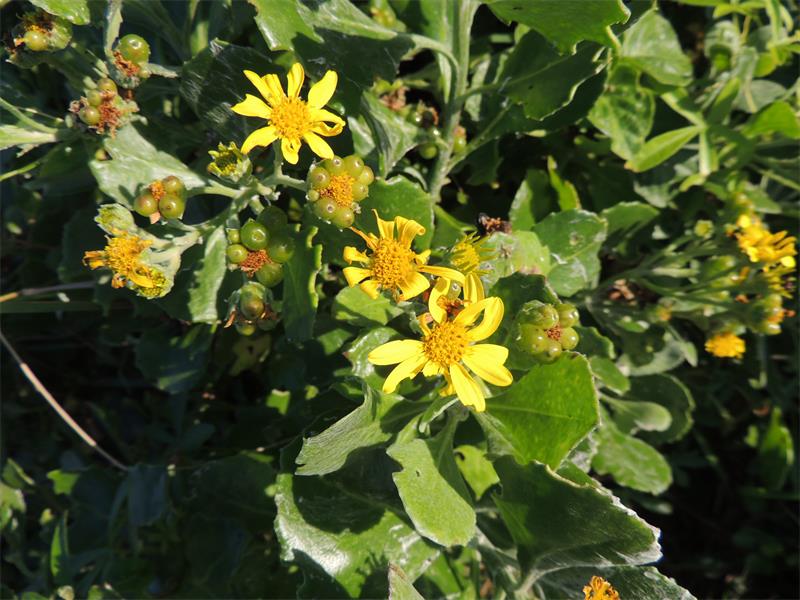
WINTER is a colourful season on the KwaZulu-Natal South Coast, as you would discover if you took a stroll along Saint’s Walk.
YOU MIGHT ALSO BE INTERESTED IN : Invasives and Natives: Bookworms and indigenous gardening
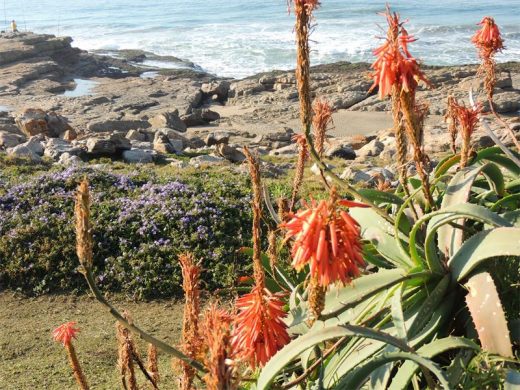
It is the Barleria obtusa or bush violet that is really shouting for attention at the moment. The grassy section of the shoreline pathway between St Michaels and Uvongo beaches is festooned with this plant’s violet, trumpet-shaped flowers.
One of 46 Barlaria species indigenous to South Africa, this plant is an excellent garden subject. It would be the perfect choice if you needed to brighten up a sunny corner in late autumn and winter.
Along Saint’s Walk this plant is currently providing spectacular contrast to the coral flowers adorning a patch of flowering krantz aloes (Aloe arborescens) overlooking Orange Rocks.
The bush violets flowers also mingle beautifully with the bright yellow daisy-like flowers of the bush tick berry (Chrysanthemoides monilifera) now blooming profusely alongside the pathway.
When the flowers give way to fruit, the juicy, tick-like berries will be gratefully snapped up by an assortment of birds. This plant’s leaves are browsed by another seaside dweller, the tiny blue duiker.
The bush tick berry is a tough plant that withstands severe conditions. In the garden, I have found it useful as a pioneer plant, rapidly covering my newly created or cleared beds and providing protection for the more sensitive, slower growing indigenous plants I acquire.
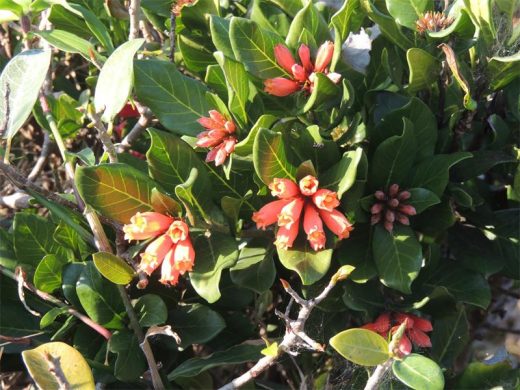
Far less conspicuous than all these bright blooms are the flowers of a small group of rather special plants, wild pomegranates, properly named Burchellia bulbina. Normally these plants grow into reasonable size shrubs but these one have to endure harsh salty wind and a tough, rocky terrain. This has stunted them, keeping them about knee high, so you have to keep a close lookout for them. It is worth the effort. The bright orange spiky looking flowers are gorgeous.
As usual, a few alien invasives have crept in among all the native vegetation but the Ivungu River Conservancy, which has taken responsibility for the environmental care of the walkway, will soon give these unwanted invaders their marching orders.
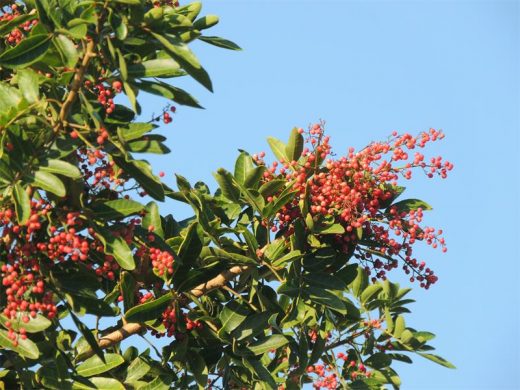
Before the conservancy took over the control and eradication of alien invasives along Saints Walk, the whole area was heavily infested with Brazilian pepper trees and the conservancy deserves a pat on the back for managing to clear these invasive plants. However, there are still many Brazilian pepper trees growing undisturbed in Uvongo gardens so this species is still a threat to Saints Walk. The trees are in fruit at the moment, their bright red berries making them easy to spot.
Saints walk is particularly delightful in winter, not only because of the colourful flowers. It is a perfect vantage point for watching the whales, dolphins and, hopefully, sardines that visit our shores during the colder months, so keep an eye out for them when you walk Saints Walk.
HAVE YOUR SAY
Like our Facebook page, follow us on Twitter and Instagram
For news straight to your phone, add us on WhatsApp 082 421 6033