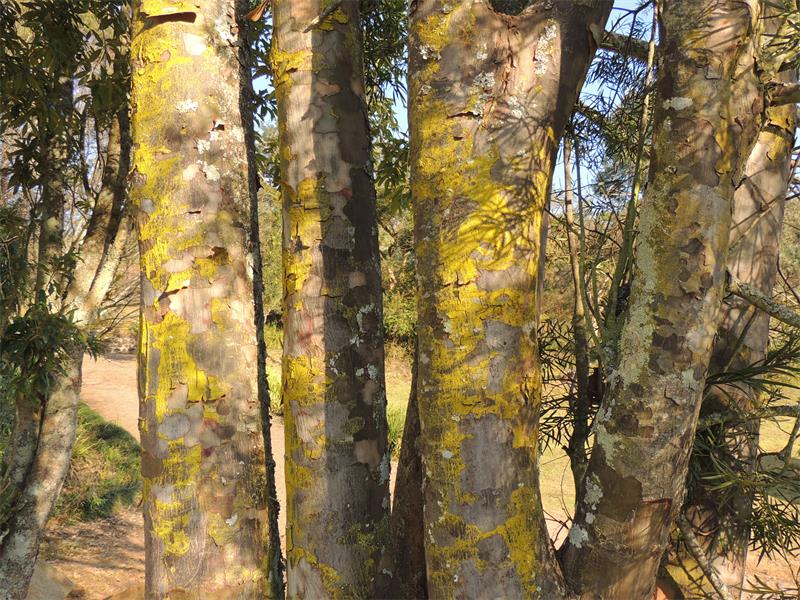
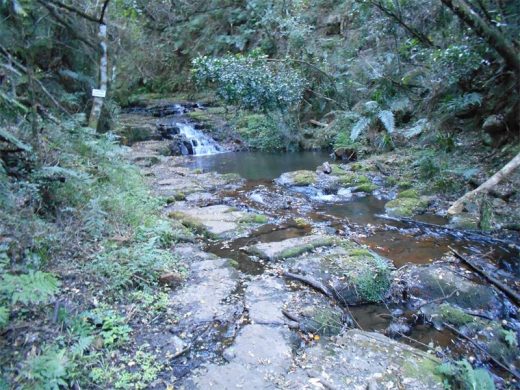
ON a recent visit to the Drakensberg I ventured into a magical place, the fairyland world of a forest-lined stream.
Here lived ancient trees, so massive we battled to identify them as their leafy branches stirred way above our heads. However it was the smaller forest-dwelling members of the plant kingdom that set me wondering.
YOU MIGHT ALSO BE INTERESTED IN : Invasives and Natives: A winter stroll along Saint’s Walk
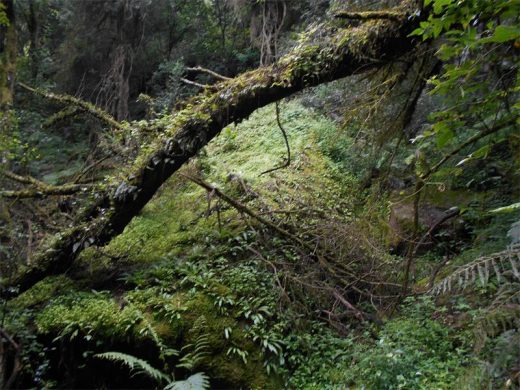
So many gnarled branches, leaning trunks and old stumps were transformed into mini-ecosystems, festooned with hanging flowers, ferns, fungi, mosses and lichens.
Such strange, other-worldly plant life –and it made me realise just how little I knew about them. Searching my bookshelves I came across a little gem of a book I’d forgotten I’d even acquired. Entitled ‘Flowers, Grasses, Ferns and Fungi’, it is compiled and beautifully illustrated by well-known KwaZulu-Natal botanist, author and botanical artists, Elsa Pooley.
Supplementing the information contained within this beautiful little Southern African Green Guides publication with some facts and figure from good old Wikipedia, I was able to work out where these lesser noticed plants fitted into our amazing plant kingdom.
I discovered that there were four major plant groups – mosses, ferns, conifers and flowering plants – and that ferns and their allies belonged to the Pteridophyta group. They do not bear flowers but produce wind-blown spores.
According to Elsa they provide one of the most direct links with prehistoric times, with the common ancestors of their relations, club mosses and horsetails, being abundant 400-million years ago.
The heyday of ferns was more than a million years ago.
Fungi, according to Elsa, reproduce by means of spores that grow a long tube that branches out until a web-like mycelium is formed. This is the main body of the fungus, responsible for food and growth. Unlike other plants, fungi lack chlorophyll and cannot produce their own food. They gain nourishment by drawing food from dead or rotting plant and animal
tissue or by a parasitic lifestyle, living on live host plants or animals. They can also attain nourishment by living in an interesting symbiotic relationship that brings us to another strange plant creature.
By forming mutually beneficial relationships with algae, fungi form lichens, those eye-catching multi-coloured, multi-shaped patterns that decorated the trees and rocks in the moist fairy world of forest we were exploring. The algae produce the food and the fungi keep the algae moist.
Finally mosses are small, flowerless plants that usually form dense green carpets, often in damp, shady spots. The individual plants are usually composed of simple leaves attached to a stem that has a limited role in conducting water and nutrients. Unlike other plants mosses do not have a well-developed vascular system. They also do not have seeds and reproduce from spores.
Next time I venture into a fairy tale forest I will make a point of taking along Elsa’s wonderful pocket-sized field guide. It truly is a rediscovered little treasure.
HAVE YOUR SAY
Like our Facebook page, follow us on Twitter and Instagram
For news straight to your phone, add us on WhatsApp 082 421 6033