IT was drizzling when we crossed the bridge over the Crocodile River and said farewell to Kruger National Park, starting our homeward journey to KwaZulu-Natal.
When we stopped at the Swaziland border it was beginning to rain in earnest. By the time we reached the Sikeli turn-off and began to negotiate the potholed section between there and Big Bend, it was bucketing down. The pouring rain drastically reduced our vision and forced us to bump along at a snail’s pace.
ALSO READ: 9 Reasons why you need to visit the Kruger Park
All the same, we reached our destination, Ndumo Game Reserve, by midday, giving us plenty of time to explore one of our favourite wild places. An Ezemvelo KZN Wildlife park, this ‘pocket Okavango’ is situated in the northern corner of KwaZulu-Natal, bordering Mozambique and far from our South Coast home, so we don’t visit it as often as we would like..
We planned to spend a night there then perhaps a night or two further South, at uMkhuze Game Reserve, part of the iSimangeliso Wetland Park complex. Being retired we didn’t have a definite time limit so we were planning to take it slowly, meandering homeward from Kruger over the next few days. The weatherman had other ideas.
It was still pouring with rain when we set up camp but it cleared a little as we set off to visit our favourite places in the park. There were huge puddles of water everywhere, and the road was very wet, muddy and slippery, testing our Kombi 4MOTION’s impressive off-road capabilities.
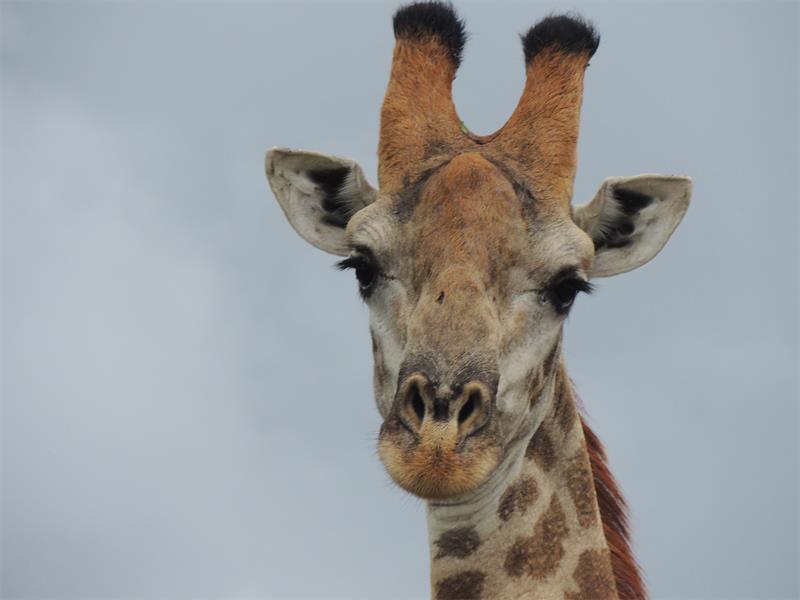
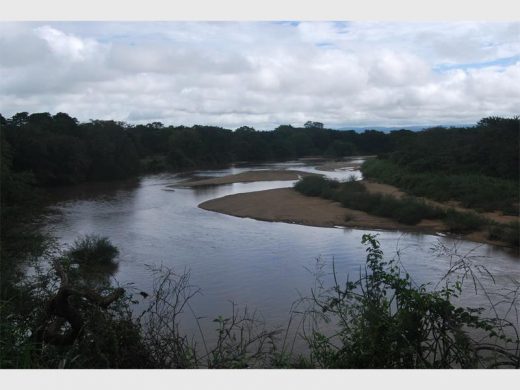
We were able to spend some time at the lovely bird-filled picnic site at Red Cliffs, overlooking Usuthu River, which was very full. Driving there, we didn’t see much game but birding is always good at the picnic site and the weak sunshine seemed to have brought all the giraffe out for a bit of an amble. They were everywhere as we drove back to camp and there were plenty of impala and nyala about, too.
It was drizzling when we left camp for our favourite sundowner spot , the spacious Nyamithi hide overlooking the extensive and bird-filled Nyamithi Pan and its surrounding fever tree forests. It would be hard to find a more beautiful, untamed sundowner spot. Water levels and bird populations vary so every visit to this green and pleasant place is different, but Nyamithi never disappoints.
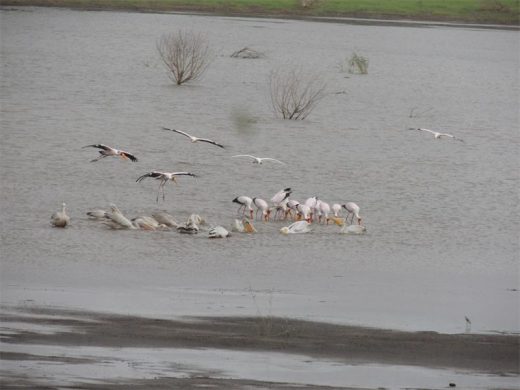
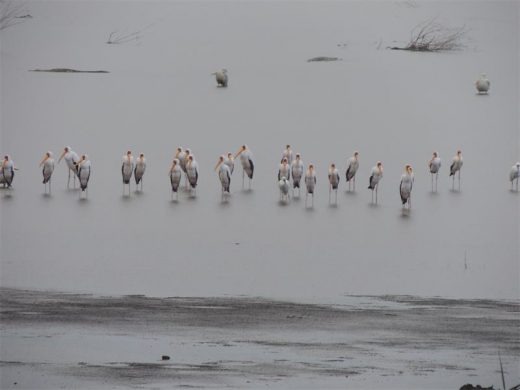
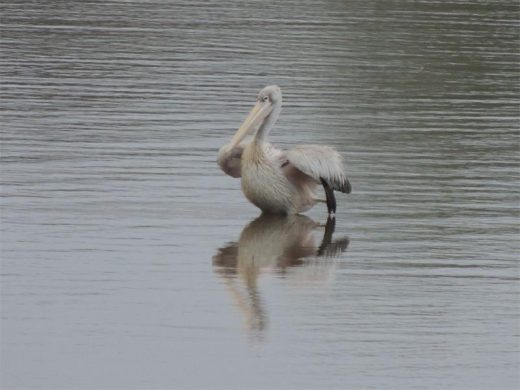
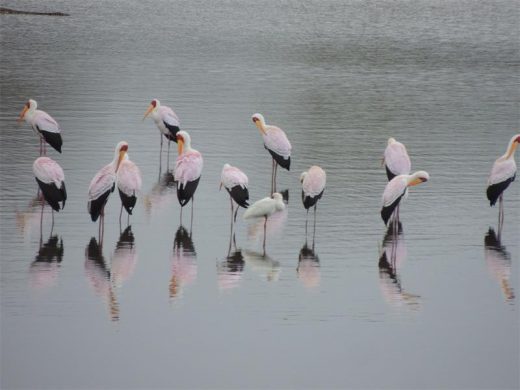
A gentle rain was falling as we sat in the hide, watching all the evening action. We were royally entertained by fly-ins and wade-pasts of all sorts of waterbirds including big flocks of pink-backed pelicans, pink tinged yellow-billed storks, white-faced whistlers, glossy ibises, stilts, jacanas, assorted herons and the usual gangs of Egyptian geese.
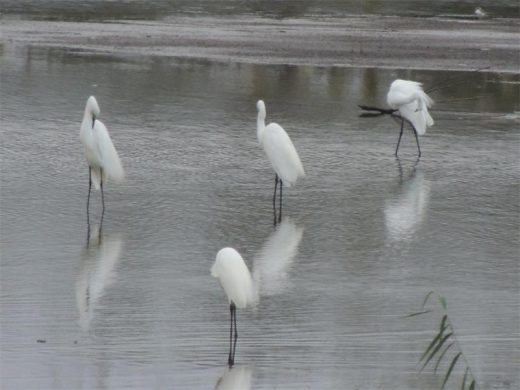
Smaller birds flitted through the branches of the trees surrounding the hide. The resident fish eagles called to each other, hippos harrumphed and every now and then one of Ndumo’s massive crocs slipped silently of a sandbank into the water. We stayed as long as we could, watching the usual beautiful sunset before heading home, giving us enough time to be in camp by gate closing time.
By evening, weather forecasters men were starting to predict floods for Northern KwaZulu-Natal and, although the rain stayed away long enough for us to braai our supper, it started raining in earnest soon after we went to bed.
It started raining again after we woke up so we set up the awning attached to our vehicle. Sheltered from what soon became a heavy down-pour, we made and ate our breakfast. After washing up the dishes and packing everything away we waited for a bit of a break in the weather to allow us to fold up the awning. That didn’t happen so we eventually braved the rain to prepare for a rather damp take-off.
So where to next? The original plan, as I have said, was uMkuze Game Reserve, a gorgeous reserve that is part of the greater iSimangeliso Wetland Park World Heritage Site, and one of South Africa’s top birding destination. We love uMkhuze and don’t generally mind a bit of rain when camping, but the weather gurus were warning of heavy rains and flooding in the area and in uMkhuze’s campsite even light rain meant mud: Not just ordinary mud but a clingy, sticky, red, very unpleasant mud that we have experienced quite a few times.
You see uMkhuze is in a bit of a rain shadow and is subject to drought but we seemed to have become uMkhuze’s unofficial rain makers. Even when we have visited the reserves in the middle of the fiercest droughts, we seem to arrive with storm clouds in tow and have often ended up having to pack away soggy, muddy camping gear.
I remember one visit in particular, back in 2001, when we spent a week camping in uMkhuze with Bill’s sister and brother- in-law, Jenny and Martin, from England. We’d enjoyed stunning spring weather all week – until our very last day afternoon when a massive thunder storm signalled the start of heavy rains that would last all night. By morning, when we were due to pack up, we had a small red river of mud flowing merrily through our campsite and tents and other gear were covered with the sticky goo.
Packing up was a muddy, unpleasant task and, even after our well-deserved showers, none of us was quite the ideal of sartorial elegance after wading through the mud to get from the ablution block to our car.
While we were folding up the tents, an agitated camp attendant came over to tell us about something that was happening in the USA. His English was poor but we gathered there had been some sort of aircraft disaster and some big building was on fire.
Puzzled, we packed up and left the reserve, looking forward to having breakfast at a local country inn. It was the days before smartphones and our vehicle radio wasn’t picking up any station so we still didn’t know what the camp attendant had been talking about. Jenny was most concerned about our rather muddy appearances and wondered what fellow guests would think when we arrived for breakfast but when we walked into the hotel lobby, no-one gave us even a glance.
Everyone’s eyes were glued to the television. The date was the 11th of September and, unfolding on the screen were the earth-shattering sequence of events of what would become known as the 9/11 Twin Towers terrorist attacks against the United States.
Memories of the disturbing, almost surreal day came back to us as we left rain-swept Ndumo Game Reserve but we also spoke about the many happy times we had spent in beautiful uMkuze since then. The idea of a couple of days there appealed but the question was, were we going to brave the pouring rain and ensuing mud?
Actually, no. We’d been on the road for more than a month and, while bad weather didn’t generally deter us from camping, a muddy day or two at uMkhuze at the tail end of our trip had lost its appeal. It was time to go home.
We spent the rest of the day driving a rain-drenched but scenic back road route, taking our time and making the most of the last leg of what had been an absolutely marvellous Kruger excursion.
HAVE YOUR SAY
Like our Facebook page, follow us on Twitter and Instagram
For news straight to your phone, add us on BBM 58F3D7A7 or WhatsApp 082 421 6033