Our body has an incredible design for protecting us from harmful organisms and toxins in the environment. Of course our skin and the lining to our gut provides a barrier (in a similar way to the peel of an apple or orange that prevents fruit from going rotten).
YOU MIGHT ALSO BE INTERESTED IN : Turning the Tide on Lifestyle Diseases: Diabetic-friendly lunchbox ideas
But that is only a small part of the complex immune system that constantly monitors what our body is exposed to and mounts a security alert and response to anything that is deemed harmful. We have immune active cells mounted as sentinels in our nose, throat and around the genitals – things like the adenoids and tonsils.
We have lymph nodes guarding the pathways that toxins and infections travel en route to our heart via major blood vessels. All of these are constantly sensing our environment and its impact upon our bodies, and responding appropriately, either with sending out soldiers (the white cells of the body) or in producing antibodies (the chemical warfare), or in sending messages to be alert and responsive. Incredibly complex systems are found in all life forms – both plant and animal.
See this complex article in Nature Magazine about how plants cope with attacks by viral, fungal, bacterial and insect attacks. https://www.nature.com/articles/nature05286
As with any complex mechanism, things can go wrong (as you will discover when your expensive modern car comes to an unexpected stop on holiday, due to some minor electrical malfunction).
Auto-immune diseases are on the increase. In the USA the third most common category of diseases after heart disease and cancer are auto-immune. It is estimated that 700 million people worldwide suffer from auto-immune diseases. Almost 80 percent of these are found in women.
WHAT IS AUTO-IMMUNE DISEASE?
It is when the immune system turns upon its own body and starts to fight against proteins within the structure of the body, perceiving these as been foreign and harmful.
Over 80 different kinds of diseases are caused by auto-immune reactions. These include diagnoses like rheumatoid arthritis, type1 diabetes, multiple sclerosis, systemic lupus erythematosis (lupus), psoriasis, inflammatory bowel disease (ulcerative colitis and Crohn’s disease), thyroiditis, and even vitiligo (progressive loss of skin pigment on face and body).
WHAT CAUSES AUTO-IMMUNE DISEASE?
Most authorities suggest that there are mainly three causes – genetics, infections and environmental influences – diet, toxins and the health of the microbiome within each of us.
The fact that there is such a dramatic increase in the incidence would suggest that it has more to do with lifestyle choices and environmental factors than genetics, although genetics would modify our reaction to these other factors.
Numerous studies have shown that lifestyle changes, particularly dietary changes, can arrest and in many cases even reverse auto-immune diseases. See the following article for some references and a more complete cover of the subject: https://foodrevolution.org/blog/autoimmune-disease-diet
One of the most important factors in preventing auto-immune diseases seems to be gut health. Lack of fibre in the diet results in an unhealthy microbiome, and these micro-organisms help to maintain the integrity of the gut lining.
A leaky gut allows large proteins and bacteria to gain access to the body and cause all manner of adverse effects.
Another factor that destroys the healthy microbiome evidently is saturated fat as found in all animal products – particularly dairy, and possibly red and white meat and fish. The study that shows this looked at saturated fats in dairy products: https://www.ncbi.nlm.nih.gov/pmc/articles/PMC3393783/
WHAT DIETARY INTERVENTIONS HELP COMBAT AUTO-IMMUNE DISEASES?
Increasing your intake of fibre is the first plan of action. Good sources of dietary fibre, particularly soluble fibre are whole grains like brown rice and minimally processed oats, legumes (such as beans, peas, lentils), flaxseed (linseed), garlic, onions, leeks, asparagus and apples. These are some of the foods with the most fibre content.
Secondly, foods high in potassium seem to reduce pain in conditions like rheumatoid arthritis and lupus and seem also to help with other auto-immune conditions.
Foods rich in potassium include, tomatoes, bananas, spinach, avocados, pomegranates, sweet potatoes, etc. You may have to limit your potassium intake if you are in kidney failure.
Many vegetable foods are high in anti-inflammatory substances and have been found to help in auto-immune conditions.
Here are some examples:
Leafy greens like spinach, Swiss chard, cabbage, kale, Brussels sprouts, Chinese cabbage, bok choy, and many others can make a significant difference. One researcher who promotes the use of greens for reversal of atherosclerosis requires his patients to eat greens 5 times per day the size of a fist in quantity.
Mushrooms and onions contain antioxidants that reduce inflammation and promote healing. Members of the squash family like butternut squashes, pumpkin, zucchini are rich in omega-3 fatty acids as well as other antioxidants that help control inflammation. Turnips also have an array of phytochemicals, vitamins and minerals that effective.
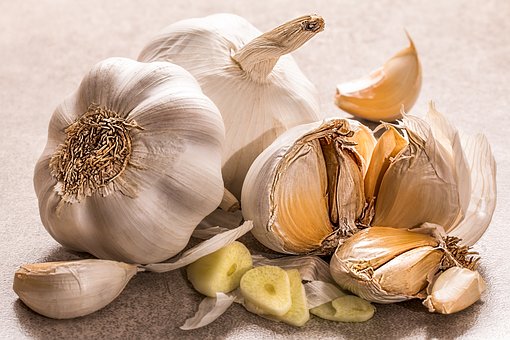
Finally a number of spices have been shown to reduce inflammation: ginger, cayenne pepper, cloves, garlic, cinnamon, and turmeric.
WHAT FOODS TO AVIOD IF YOU HAVE AUTO-IMMUNE DISEASE
Gluten as found in wheat, barley, rye and spelt in some people can trigger an auto-immune response. This is particularly aggravated, I believe, when there is already a leaky gut from lack of fibre as found in our Western highly processed foods.
It may be worth while to try to go onto a gluten free diet for a few months and see if your condition doesn’t improve. You may need the help of a dietician to identify all the foods that contain gluten – no easy chore. Gluten is found in most processed foods.
Sugar. Excess sugar can certainly stimulate excess inflammation in some ways, but also reduce cell-mediated immunity. Many people find that if they limit their refined sugar in all its many forms, the pain subsides.
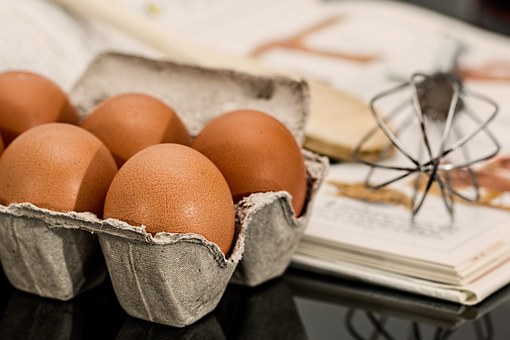
Animal products: Many animal-based proteins, like those found in meat, milk, and eggs, can cause an inflammatory response in the body, exacerbating autoimmune conditions.
“Autoimmune diseases can be notoriously frustrating. But food can be a powerful tool in fighting back against illness and helping your body heal.
“By sticking to a healthy diet based around whole plant foods and by avoiding some of the key triggers, you can make a world of difference to support your own well-being.
And you can boost and balance your immune system so it can be your reliable friend and protector for years and decades to come.” Hannah Sentenac
To end off with for this week, here are a few stories of people who have battled with various auto-immune diseases and found dramatic relief or even reversal adopting a whole food, plant-based diet.
Here is to a week ahead filled with hope for those who battle with auto-immune disease.
Dave Glass

Dr David Glass graduated from UCT in 1975. He spent the next 12 years working at a mission hospital in Lesotho, where much of his work involved health education and interventions to improve health, aside from the normal busy clinical work of an under-resourced mission hospital.
He returned to UCT in 1990 to specialise in obstetrics/gynaecology and then moved to the South Coast where he had the privilege of, amongst other things, ushering 7000 babies into the world. He no longer delivers babies but is still very clinically active in gynaecology.
An old passion, preventive health care, has now replaced the obstetrics side of his work. He is eager to share insights he has gathered over the years on how to prevent and reverse so many of the modern scourges of lifestyle – obesity, diabetes, ischaemic heart disease, high blood pressure, arthritis, common cancers, etc.
He is a family man, with a supportive wife, and two grown children, and four beautiful grandchildren. His hobbies include walking, cycling, vegetable gardening, bird-watching, travelling and writing. He is active in community health outreach and deeply involved in church activities. He enjoys teaching and sharing information.
HAVE YOUR SAY
Like our Facebook page, follow us on Twitter and Instagram
For news straight to your phone, add us on WhatsApp 082 421 6033