I had the privilege recently of listening to a presentation by the president-elect of the American College of Lifestyle Medicine (ACLM), Dr Dexter Shurney. Normally these lectures are just available to members of the College, but this particular one is being made available to anyone. Click here: https://vimeo.com/281875215. If you can afford the time – it is almost one hour long – you will find it fascinating. I will give a brief summary.
YOU MIGHT ALSO BE INTERESTED IN : Turning the Tide on Lifestyle Diseases: Diabetic-friendly lunchbox ideas
One of the previous presidents of the ACLM, Dr David Ferriss, MD, MPH made this statement: “Lifestyle medicine treats the root cause of chronic disease, not just the symptoms. It reflects the reality of what a huge body of scientific evidence has taught us. Food is powerful medicine! Exercise is powerful medicine! Mind-body health is powerful medicine! And these medicines are free or inexpensive and with only positive side-effects.”
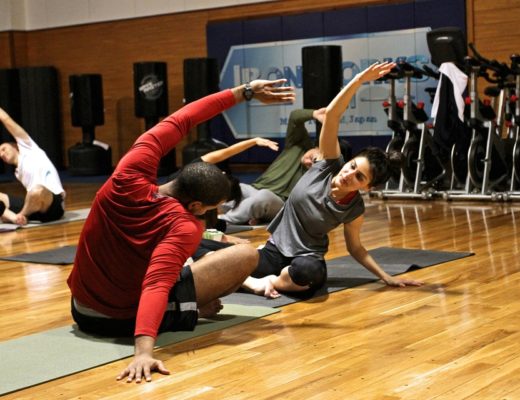
According to Dr Shurney, lifestyle medicine is the most powerful care intervention in the world today. It is something that receives much lip-service, but seldom is used to its full potential. Less than 3% of Americans live a healthy lifestyle. I would suspect that South Africans are heading the same way. A Mayo Clinic study used the following 4 criteria for a healthy lifestyle:
- Vigorous or moderate exercise for at least 150 minutes a week
- High intake of foods considered to be healthy according to the Healthy Eating Index (foods like fruits, vegetables, whole grains, legumes and other protein foods, some dairy and some omega 3 containing seeds or sea foods)
- A percentage of body fat below 20% for men or 30% for women (some fancy scales will tell you your percentage of body fat)
- Not smoking
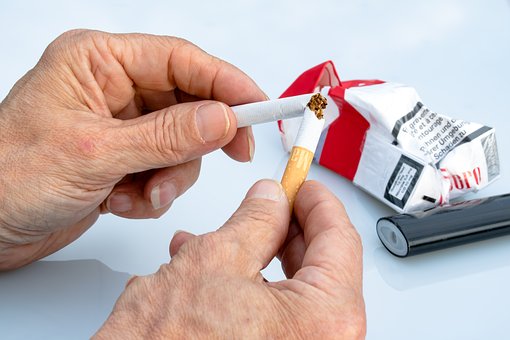
Most lifestyle medicine programmes address 5-9 objectives. They vary from one teacher to another because of labels, but basically include: healthy diet of mostly whole foods; plenty of water; exercise; fresh air; adequate rest and sleep; stress reduction; social support and relationships; purpose in life (including spiritual fulfilment); avoidance of harmful substances.
One example of a study that showed the superiority of lifestyle interventions was the Diabetes Prevention Program Research Group 346, reported in the NEJM on 7th February 2002.
In this study over 3000 pre-diabetic people were monitored over a number of years using three interventions. This study was conducted in 27 co-operating sites. What it proved was that over time, the most effective intervention preventing the development of overt diabetes was lifestyle intervention. See this link to read the full article: https://europepmc.org/articles/pmc1370926.
There are a number of medical disciplines which can be confusing to some people. Here is a brief summary of what they encompass:
- Lifestyle medicine addresses 7-9 key modalities to prevent/treat/reverse disease. It promotes a predominantly whole-food, plant-based diet.
- Preventive medicine concentrates on early detection and screening. It also includes environmental safety and public health.
- Functional medicine concentrates on emerging diagnostics; gut health, nutraceuticals and supplements.
- Naturopathic medicine includes manipulation, massage and herbal medicines.
- Integrative medicine provides a combined use of complementary and conventional medicine approaches to care and treatment.
- Traditional allopathic interventions such as pharmaceutical medicines and surgery, which is what most doctors are trained to use in medical schools.
YOU MIGHT ALSO BE INTERESTED IN: FREE lifestyle health seminars offered in Port Shepstone
These different disciplines can be combined. Many practitioners use various forms of interventions. For instance I use pharmaceutical as well as surgical interventions for many of the conditions that present in my patients. But there are certain conditions that lend themselves to lifestyle interventions – such as diabetes, obesity, auto-immune conditions and allergies; and cancer prevention. Some diseases benefit from both allopathic treatment as well as lifestyle management – like cancer, hypertension and heart disease.

The next time you go to your doctor and he/she wants to slap you straight onto medicines, ask if there are any lifestyle approaches to management that they could suggest, or refer you to someone who could help – like a dietician or physiotherapist, etc.
To health and longevity,
Dave Glass

Dr David Glass graduated from UCT in 1975. He spent the next 12 years working at a mission hospital in Lesotho, where much of his work involved health education and interventions to improve health, aside from the normal busy clinical work of an under-resourced mission hospital.
He returned to UCT in 1990 to specialise in obstetrics/gynaecology and then moved to the South Coast where he had the privilege of, amongst other things, ushering 7000 babies into the world. He no longer delivers babies but is still very clinically active in gynaecology.
An old passion, preventive health care, has now replaced the obstetrics side of his work. He is eager to share insights he has gathered over the years on how to prevent and reverse so many of the modern scourges of lifestyle – obesity, diabetes, ischaemic heart disease, high blood pressure, arthritis, common cancers, etc.
He is a family man, with a supportive wife, and two grown children, and four beautiful grandchildren. His hobbies include walking, cycling, vegetable gardening, bird-watching, travelling and writing. He is active in community health outreach and deeply involved in church activities. He enjoys teaching and sharing information.
HAVE YOUR SAY
Like our Facebook page, follow us on Twitter and Instagram
For news straight to your phone, add us on WhatsApp 082 421 6033