Nicotine is a potent plant alkaloid which was used as an insecticide in many countries until quite recently. It is as addictive as heroin and cocaine. The reason it causes addiction is that it affects the reward centre in the brain by causing the release of dopamine. However this effect only lasts for a short time, then as the levels decrease this causes withdrawal effects and craving.
ALSO READ : Turning the Tide on Lifestyle Diseases: Slaying the ‘smoking’ giant
It also causes increased heart rate and elevated blood pressure because of increased adrenaline/nor-adrenaline in the blood; decreased blood supply to the heart and skin, but increased blood flow to the muscles. The blood sugar goes up as part of the fight or flight reaction to raised adrenalin. There is increased respiratory rate leading to hypothermia (lower body temperature).
Of more concern in the long term is the increased risk of atherosclerosis with plaque formation and increased ischaemic heart disease. Also in the long term is the risk of higher levels of coagulation factors in the blood, causing raised risk of blood clots.
Another serious risk is decreased apoptosis (natural programmed cell death) which can cause cancer cells to live longer.
It also increases cell division and survival of cancer cells. What is important for parents is the increased genetic susceptibility towards cancer development that is passed on from the mother and even the grandmother through epi-genetics.
It also increases resistance to chemotherapy, especially if someone is still smoking when they are using chemotherapeutics.
Nicotine on its own increases the risks of cancers in the mouth, lungs, pancreas, breasts and bladder.
Nicotine also affects the immune system, particularly conditions like tuberculosis. It can also increase the risk of macular degeneration, and reflux oesophagitis, peptic ulcer disease and chronic renal disease. In males it can increase erectile dysfunction, poor spermatogenesis and sperm normality. In females it can affect ovulation, hormonal balance and contribute to bleeding problems. In pregnancy it will within ten seconds of a puff decrease blood supply to the uterus and thus the placenta and result in decreased growth as well as poor lung development in the unborn baby. It is well known that even if a mom stops smoking after pregnancy, the baby is at greater risk of asthma and lung problems later in life.
These effects are just the result of nicotine exposure alone, without all the other toxins produced by tobacco smoke. So even vaping can result in all these effects. So much for being a safer option. Here is an article which covers all these facts from multiple studies conducted. https://www.ncbi.nlm.nih.gov/pmc/articles/PMC4363846/
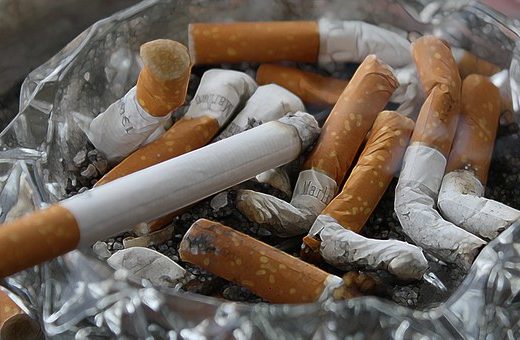
How does one go about breaking the addiction?
There is an emotional dependence upon tobacco. Cigarettes are your friend. They make you feel better when you are battling with that craving. In order to break that nicotine cycle, you have to find new emotional supports – behaviours that will make you feel better, and that will replace your dependence upon nicotine.
These may include brisk exercise with release of endorphins; attacking new challenges, like taking up a new hobby or learning experience e.g music, woodworking, sewing, knitting, gardening etc. You may find fulfilment in your life through spiritual exercise – meditating on the Bible or appropriate spiritual reading; prayer and singing in a choir if you are musical. Another very rewarding practice is adopting an elderly person at a frail care centre or volunteering at a service centre or soup kitchen, or animal welfare agency. By helping people/animals you obtain so much positive affirmation and sense of purpose in your life.
ALSO READ : Turning the Tide on Lifestyle Diseases: Smoking – Tackling ‘the Giant’ head-on (part 1)
Most people who are addicted do so out of a sense emptiness or need for fulfilment. Finding a positive source for replacement of the harmful addiction can be a rewarding quest.
Understanding withdrawal
Your body has been so accustomed to nicotine Stopping this drug results in well known withdrawal effects. The most common is intense craving, becoming irritable and easily angered, inability to concentrate, difficulty sleeping or being very sleepy during the day, headaches and body aches. These usually last about 3-4 days. The more cigarettes you smoke, the greater the withdrawal effect normally. Surprisingly, some people have no withdrawal effect. Many of these effects can by reduced by the use of nicotine alternatives, which will be covered in a future article.
The cost of smoking
One useful exercise to do is to estimate the financial cost of your smoking addiction
Cost of one pack smoked _____________-
Number of packs per week _____________
Cost of smoke each week _____________
Cost of smoking in one year _____________
Savings over the next 10 years _____________
Reward yourself with the money you save after 2 days; then after 1 week, then after 1 month, then after 3 months.
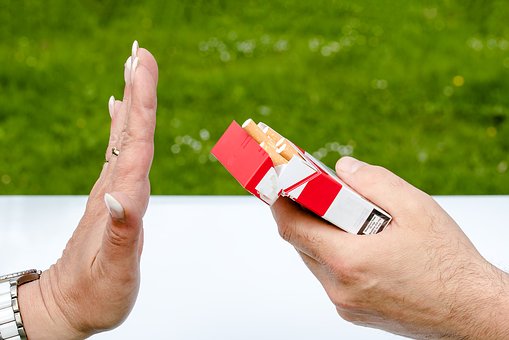
You may well find that with the savings you obtain you can do something really worthwhile like a decent holiday, get rid of some of your binding debts or make a good investment in your future.
Planning ahead
Plan ahead of time what you will do to cravings that affect you at different times of the day (when you were most likely to smoke). Write these down and refer often to them.
On waking in the morning _______________________________________________
After meals _______________________________________________
When drinking alcohol _______________________________________________
When driving tea or coffee _______________________________________________
When angry or stressed _______________________________________________
Remember, as we mentioned in the last article, some of the interventions include:
- Avoid smoking situations
- Delay – wait for at least 10 minutes
- Escape – do something else, like drinking water, showering, going for a brisk walk
- Substitute by another behaviour
Here is your check-list.
Daily Plan
- Relax with a warm shower or bath
- Go to bed early and have a good sleep
Diet
- Drink 6-8 glasses of water daily
- Keep eating fruit, vegetables and low-fat foods
- Avoid caffeine drinks like coke, tea or coffee – rather use fruit juices
Coping Skills
- Walk when you have an urge to smoke – (away from the cafe).
- Say your mantra – “I choose not to smoke/ I choose not to be a slave to smoking”.
- Contact your buddy for support
- Claim divine power and inspirational promises
Coping with withdrawal effects
- Be patient, these will always subside after a few days.
- Imagine yourself as a non-smoker and the freedom you will enjoy
- Remember this is one of the most important decisions you will make in your whole life. It can add so much value to your life and to the lives of your family.
To freedom from enslavement to nicotine
Dave Glass

Dr David Glass graduated from UCT in 1975. He spent the next 12 years working at a mission hospital in Lesotho, where much of his work involved health education and interventions to improve health, aside from the normal busy clinical work of an under-resourced mission hospital.
He returned to UCT in 1990 to specialise in obstetrics/gynaecology and then moved to the South Coast where he had the privilege of, amongst other things, ushering 7000 babies into the world. He no longer delivers babies but is still very clinically active in gynaecology.
An old passion, preventive health care, has now replaced the obstetrics side of his work. He is eager to share insights he has gathered over the years on how to prevent and reverse so many of the modern scourges of lifestyle – obesity, diabetes, ischaemic heart disease, high blood pressure, arthritis, common cancers, etc.
He is a family man, with a supportive wife, and two grown children, and four beautiful grandchildren. His hobbies include walking, cycling, vegetable gardening, bird-watching, travelling and writing. He is active in community health outreach and deeply involved in church activities. He enjoys teaching and sharing information.
HAVE YOUR SAY
Like our Facebook page, follow us on Twitter and Instagram
For news straight to your phone, add us on WhatsApp 082 421 6033