The Mekong River has been in the news of late with that catastrophic dam burst on a tributary in Laos. A bit of background – the Mekong is the longest and most important river in South East Asia. It rises in Tibet, flows through China, becomes the border with Burma, runs into Laos, crosses Cambodia and ends up entering the sea from Vietnam. This great river, however, is in trouble. The Laotians and the Cambodians, hungry for electricity, have already built two dams on the river and at least eleven more are planned.
ALSO READ : From my Hide: A home invasion of the feathered kind
According to the UN’s Food and Agricultural Organisation and the World Wildlife Fund, the Mekong is the second-most biologically diverse river in the world, creating a habitat for about 1 300 fish species. These fish feed about 60-million people along the river, in Laos, Cambodia, Thailand and Vietnam. Apart from the inundation of many ancient archaeological sites and temples and the threat to food security, the dams are also an ecological disaster, disrupting the natural flow of the river.
Among other things, this means blocking the flow of natural nutrients to agricultural communities along the river and direct threats to the all-important fish populations and the endangered Mekong River dolphin.* Altogether bad news –think about that dam burst.*
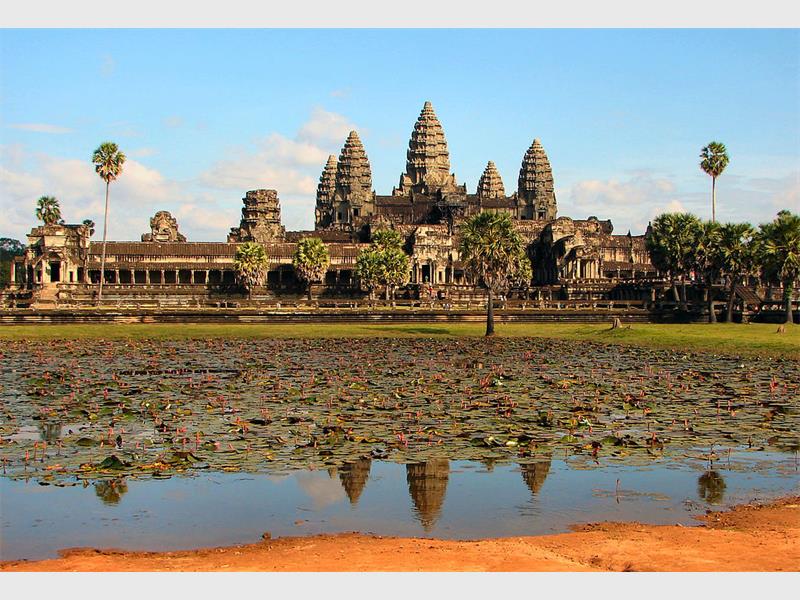
I crossed the Mekong years ago on a very rickety Cambodian ferry. I was on my way from the capital, Phnom Penh, to Seam Reap way to the north, the closest town to the famous ruins of Angkor Wat, my eventual destination.
It was a remarkable journey and Angkor Wat was an indelible memory, covering an extraordinary slice of history and also exposure to real tropical jungle, an idea of the conditions the Americans were fighting in next door.
A year later American forces invaded Cambodia as part of the ongoing war against North Vietnam, but that’s another story.
Now, I must assume that many of us as youngsters were enticed into the bath because we could share the water with a rubber ducky. Well, it turns out that the ducky could well be a Trojan horse. Scientists in Britain have ascertained that rubber duckies suck up and store small amounts of bath water, which just sits in there nurturing bacterial ‘nasties’. They say that these nasties could be harmful to children in the bath and although a certain amount of exposure to such nasties is good for them, mother might want to squeeze out the rubber ducky after each bath-time.** Sounds reasonable to me, just don’t take away my rubber ducky.
But wait! Here’s a PS! I have found a new word – it’s bathophobia, quite obviously a natural fear of bathing, I’m quite sure most of us had it as youngsters. Bathophobia, never forget it. Sadly, in reality it’s from Greek and means a fear of depths or of falling from a height, but you can pretend you never heard that.
*Third World Resurgence, publication of the Malaysia-based Third World Network.
**The Week: The Best of the British and Foreign Media.
HAVE YOUR SAY
Like our Facebook page, follow us on Twitter and Instagram
For news straight to your phone, add us on WhatsApp 082 421 6033