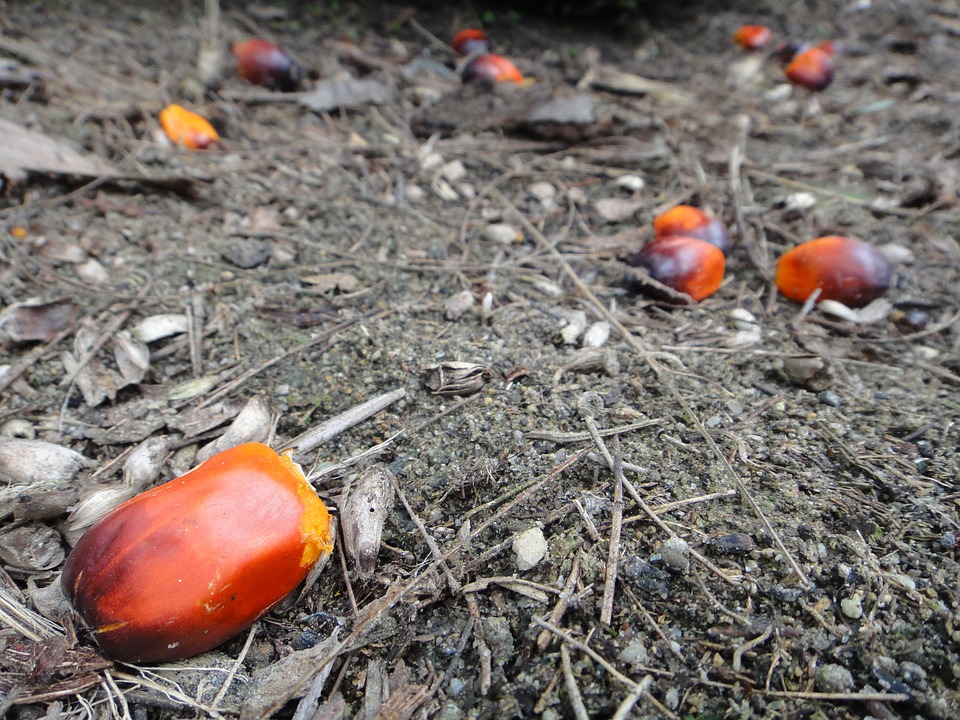
A supermarket chain in Iceland has become the first world-wide to ban palm oil from its brand name products for sound environmental reasons. The World Wildlife Fund (WWF) says a half of all packaged products sold in the world’s supermarkets contain palm oil, from shampoos to frozen pizzas. Palm oil production is becoming more and more controversial because of the clearance of natural forests and jungles for palm plantations.
ALSO READ : From my Hide: Padrão tells a riveting South African sea saga
In Indonesia alone an estimated 200ha a day are being cleared and the situation is much the same in Malaysia, where the natural habitat of orangutans has been so depleted that their population in the wild has more than halved over the past 20 years and many other endangered species are also threatened. Indonesia and Malaysia produce 90 percent of the world’s palm oil. The Icelandic ban will mean just 500 tons of palm oil a year will be taken off the total sold – A drop in the ocean, as the WWF puts it, but it’s a start.*
We have seen the destruction in Malaysian Borneo, flying over kilometre after kilometre of palm oil plantations where there was once jungle, all very depressing. But fortunately we have also been lucky enough to have spent some wonderful time in the surviving jungle and on the jungle rivers, and we have seen orangutans in the wild. I wonder for how long that will still be possible.
A very good news story comes from Mumbai in India, where a massive clean-up by volunteers, mainly children, of a local beach has led to the olive ridley turtle breeding there for the first time in 20 years.
The beach had collected up to two-meter-deep piles of trash, meaning that the turtles could not nest there, but the volunteers have cleared about 5 000 tons of trash and left the beach clear for the olive ridleys to lay their eggs and for the hatchlings to make it down to the Arabian Sea.*
The olive ridley is the smallest of the sea turtles and although rare here, it may occasionally be seen off northern KwaZulu-Natal.
We often hear (but don’t always see) fish eagles around us. Just the other day we were in the kitchen and a pair of them started their duet, sounding as though they were directly above us. They were. Circling and calling just above us, it was a most enjoyable experience. The cry of the fish eagle is often described as the call of Africa – yes, but there are others that are evocative. Think of a lion ‘brulling’ or rain on a tin roof for example, not quite as obvious perhaps, but also very evocative.
Interesting that the fish eagles should be here, in an urban environment. One usually associates them with the wide open spaces, like St Lucia on the Zululand coast of in the Okavango in Botswana, for example. But let’s not complain, let’s enjoy the call of Africa while we can.
*The Week: The Best of the British and Foreign Media.
HAVE YOUR SAY
Like our Facebook page, follow us on Twitter and Instagram
For news straight to your phone, add us on WhatsApp 082 421 6033