In 2013 guidelines for doctors in providing assistance to their patients was published in the South African Medical Journal by a group of pulmonologists from various institutions in South Africa. This was a comprehensive document, based upon published research.
ALSO READ : FREE lifestyle health seminars offered in Port Shepstone
This week we will be looking at pharmaceutical and other aids to smoking cessation. Who benefits the most from these aids?
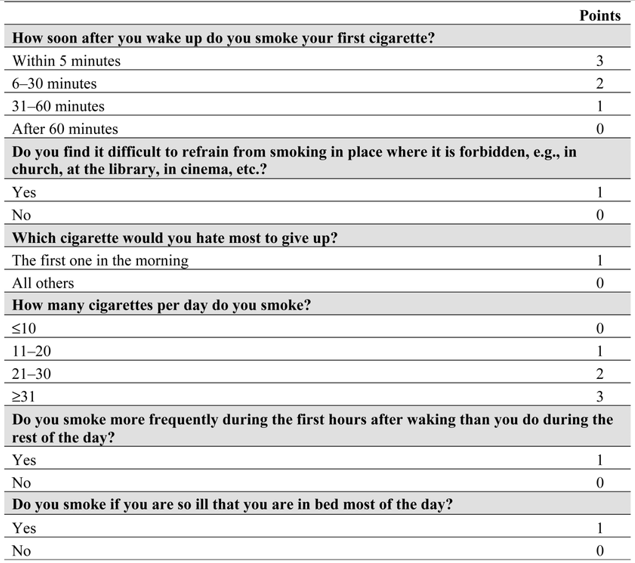
Research suggests that those with a high Fagerström score may need some assistance.
Here is the link to this test.
NRT
Because nicotine is an addictive drug, withdrawal symptoms manifest when a smoker stops. The principle behind nicotine replacement therapy (NRT) is to supply nicotine in a non-smoking form to break the need for cigarettes to obtain that dopamine boost. Recommendations from the expert committee suggest the use of two different types of NRT – one to control the levels of nicotine e.g. patches, and one to relieve cravings when they attack e.g. gum or spray. Sometimes the combination of NRT with antidepressants is helpful. One of the common reasons for failure with NRT is that too little of the NRT is used. Because they are expensive, people try to save on costs. But they forget the cost of continuing to smoke – which is far more expensive than a few weeks of NRT.
ALSO READ: Turning the Tide on Lifestyle Diseases – Tackling the giant of smoking part 6
The idea is to start with maximum dosage of NRT, then gradually reduce the dosage. Of course one must continue with all the other interventions we have been speaking about over the last few weeks. And many people will be able to stop without NRT just using those interventions.
Antidepressants
Bupropion (Zyban or Wellbutrin) is usually started by your doctor 1 – 2 weeks before the quit date, at a dose of 150 mg daily for 3 days, then increased to maximum of 150 mg twice per day. This should be continued for even up to a year afterwards. If it is not helping after 7 weeks then you can discontinue the medication. As with all medications side effects can occur in some people, so it is always a good idea to be supervised by your doctor.
Nicotine receptor agonists
Varenicline (Champix) is an effective smoking cessation therapy. It has been given a bad rap because of incidents of suicide or suicidal behaviour, although large studies have not shown this. Nevertheless it is good to be aware of this potential relationship and to be closely monitored by your doctor. The most common side effect of this medication is abnormal dreams.
E-cigarettes
Many people think that, because there is no smoke from burning cigarettes, e-cigarettes are not harmful. And it may be true that many of the toxins associated with cigarettes are absent with e-cigarettes.
However they are still not a good long-term practice. Some benefit may accrue in using them as a NRT in the short term.
The biggest risks are in tiny amounts of metals released from the heater element, which are now being shown to cause chronic lung disease. Also some of the flavourants may be toxic. They should definitely not be used long term, and definitely not for young beginners. Remember our article on all the toxic effects of nicotine even without the presence of smoke from burning cigarettes. The experts do not consider e-cigarettes to be a part of smoking-cessation interventions.
Hypnotherapy
This is a widely promoted aid to smoking cessation, however two meta-analyses concluded that hypnotherapy was not effective. Although some people may claim success, it is not a method that we would promote.
Acupuncture
To quote the experts: “There is no consistent evidence that either acupuncture or acupressure are effective in smoking cessation.” Again, some people may claim benefit, but it is not a method we recommend.
Here is the article in the South African Medical Journal upon which this blog is based.
https://cansa.org.za/files/2014/05/SA-Tobacco-Smoking-Cessation-Clinical-Practice-Guideline-2014.pdf
Next week we will do the final blog on the subject of smoking cessation. There is so much to look forward to when you finally say goodbye to enslavement by cigarettes. The end result is so worth it in spite of the pain of the process.
To health and a smile of accomplishment on your face.
Dave Glass
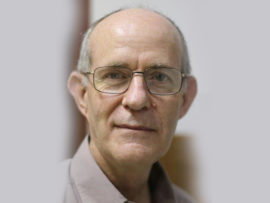
Dr David Glass graduated from UCT in 1975. He spent the next 12 years working at a mission hospital in Lesotho, where much of his work involved health education and interventions to improve health, aside from the normal busy clinical work of an under-resourced mission hospital.
He returned to UCT in 1990 to specialise in obstetrics/gynaecology and then moved to the South Coast where he had the privilege of, amongst other things, ushering 7000 babies into the world. He no longer delivers babies but is still very clinically active in gynaecology.
An old passion, preventive health care, has now replaced the obstetrics side of his work. He is eager to share insights he has gathered over the years on how to prevent and reverse so many of the modern scourges of lifestyle – obesity, diabetes, ischaemic heart disease, high blood pressure, arthritis, common cancers, etc.
He is a family man, with a supportive wife, and two grown children, and four beautiful grandchildren. His hobbies include walking, cycling, vegetable gardening, bird-watching, travelling and writing. He is active in community health outreach and deeply involved in church activities. He enjoys teaching and sharing information.
HAVE YOUR SAY
Like our Facebook page, follow us on Twitter and Instagram
For news straight to your phone, add us on WhatsApp 082 421 6033