How ironic it is that we worry (or should worry) about the terrible loss of wildlife in Africa, particularly species like elephants and more lately lions, and yet there would appear to be a surplus of both those key species in Southern Africa.
ALSO READ : From my Hide – Paying ancient homage to sunrise
Take elephants for example, 40 years ago there were an estimated 1.3-million elephants in Africa, and today there are perhaps just 400 000 left. And yet in some Southern African states, particularly Botswana, the elephant population is burgeoning and is actually becoming a nuisance.
There is a similar situation with lions. The total lion population of Africa has fallen by 90 percent over the past 100 years, down to an estimated 20 000 in the wild. This does not include the highly controversial lion farming industry in South Africa, where there are currently about 7 000 lions that have been bred for so-called canned hunting and the lion bone trade in the Far East. Anyway, there is apparently a surplus of lions in a number of game reserves in various Southern African countries.*
Apart from poaching (up to 30 000 elephants a year are being poached in Africa), there is also increasing loss of natural habitat due to ever-expanding human populations and activities.
Just as a matter of interest, the estimated population of Africa in 1900 was 140 million, today it is 1.3 billion (note the ‘b’). Think about that for a moment, 1.3 billion people wanting at least food, water, shelter, and cell phones, of course.
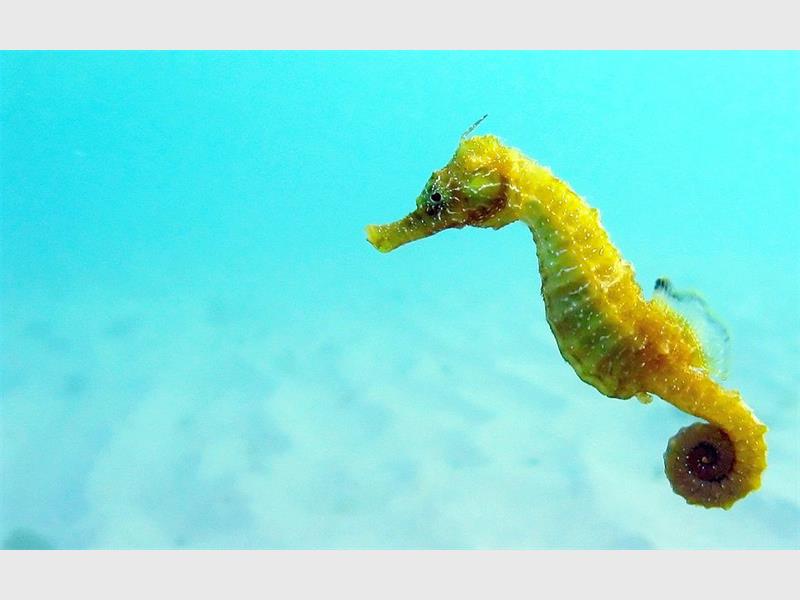
Staying with the subject, the New Zealand Department of Conservation reports a 30 percent increase in the illegal wildlife trade through its borders. Last year over 9 000 wildlife products were seized, including sea shells and coral, elephant feet, primate skulls and pieces of seahorses. Meanwhile, the United Nations reports that the illegal wildlife trade now rivals human trafficking, drugs and weapons when it comes to the big five of the world’s illegal trades (the fifth is money laundering).*
Question: Why pieces of seahorses?
Meanwhile, TRAFFIC (the Trade Records Analysis of Fauna and Flora in Commerce organisation) reports from Bangkok that social media and one particular group, are fuelling the trade in endangered species in Thailand and abroad. Hundreds of postings, with photographs, are offering specific animals for sale, species indigenous to Thailand – and exotic ones as well. TRAFFIC says that once the social medium in question realised it was being monitored by a conservation organisation, some of the posting were made secret.* I really don’t know how that works, but apparently it does.
ALSO READ : From my Hide – Palm oil product banning sets the precedent
And finally, renowned Zimbabwean conservationist Johnny Rodriques has died. Known as the ‘Wildlife Warrior’, Johnny established and ran the Zimbabwe Conservation Task Force, an organisation that sought to conserve that country’s remarkable wildlife heritage, importantly, with the help of local communities. Sadly it was an uphill struggle and Johnny faced constant harassment from authorities – and even received death threats. Johnny was forced into exile and died of cancer in Portugal. He will be greatly missed, by conservationists in Zimbabwe and those far beyond its borders.
*Save the Elephants News Service.
HAVE YOUR SAY
Like our Facebook page, follow us on Twitter and Instagram
For news straight to your phone, add us on WhatsApp 082 421 6033