Egyptian geese are part of our daily and much appreciated encounters with birds. They are magnificent in appearance and their vocalisation is second only to the hadeda.
ALSO READ : From my Hide – Illegal wildlife trade rivals human trafficking, drugs and weapons
They have been part of Egyptian culture for perhaps 5 000 years and can still be seen along the Nile, but the ancient Egyptians knew their customer and called them ‘The Great Cacklers’. How true.
Anyway, we were sitting in the hide the other day watching and listening to an Egyptian goose perched prominently on a nearby roof.
It was squawking that one persistent note and eventually it was joined by another goose.
There was immediately a display of wing flapping, bobbing and outstretched necks accompanied by much honking and they then flew off together.
Bearing in mind that Egyptian geese mate for life, we think we had just seen a family reunion. How nice.
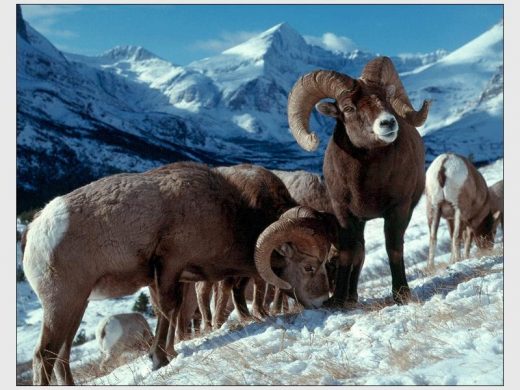
Moving abroad, North America’s bighorn sheep once numbered in their millions as they moved across the plains and mountains.
By 1900, however, they had virtually been wiped out by hunters and farmers.
In the 1940s the Montana Game and Fish Department started to move small surviving herds of bighorns back into their natural habitats, lands that they had originally occupied for thousands of years.
The numbers gradually increased, but scientists keeping a close watch on the herds back in their natural environment noticed that they weren’t behaving the way huge herds had a hundred years earlier.
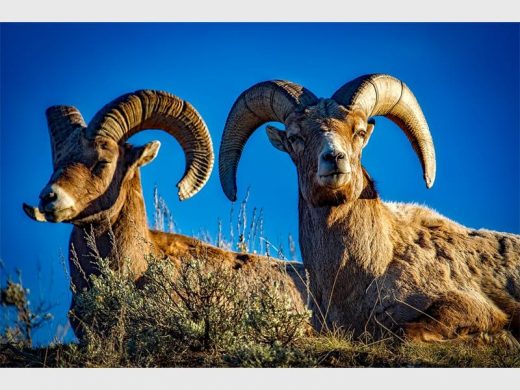
The main problem appeared to be with migration patterns – the new herds simply weren’t migrating over the mountains to fresh pastures the way they should.
Scientists have come to the conclusion that the bighorns have lost their instincts, once passed down from generation to generation, conveying the knowledge of when to go and where.
Sadly, the ultimate conclusion must be that man not only wiped out the huge herds of bighorns, but also wiped out the instincts for survival learned over thousands of years.*
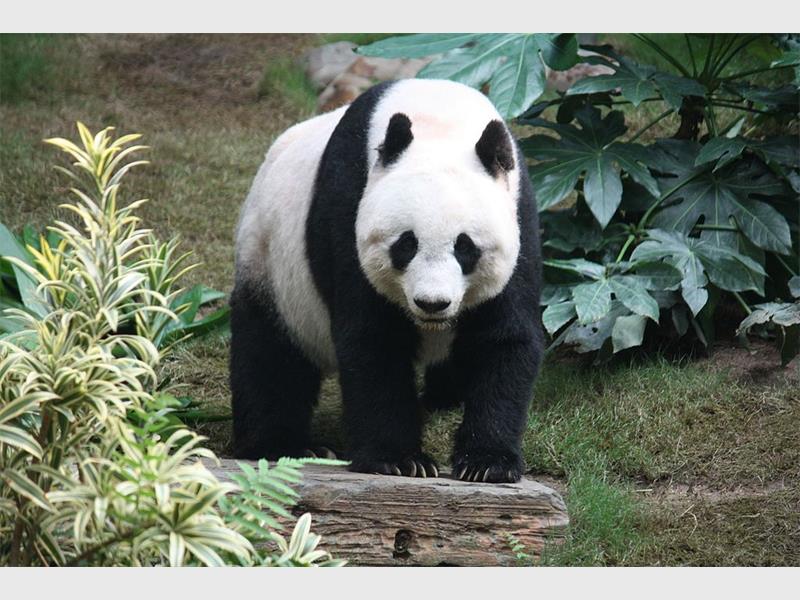
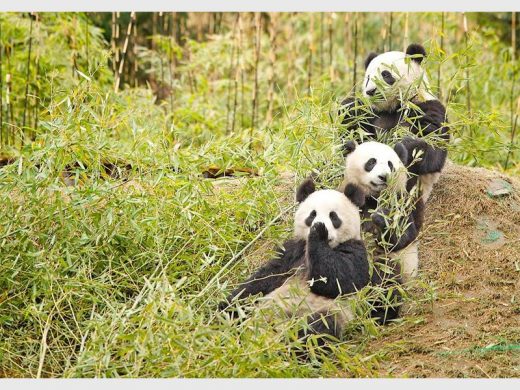
Moving again, the Chinese government has announced the creation of a huge Giant Panda National Park, covering three provinces and two million hectares of panda habitat (somewhat bigger than the Kruger National Park).
The park will stretch across much of the south western provinces of Sichuan, Shaanxi and Gansu, creating corridors for pandas to move freely from area to area and to cross breed in a much larger population.
There are an estimated 1 864 giant pandas in the wild in China and a further 300 in captivity.
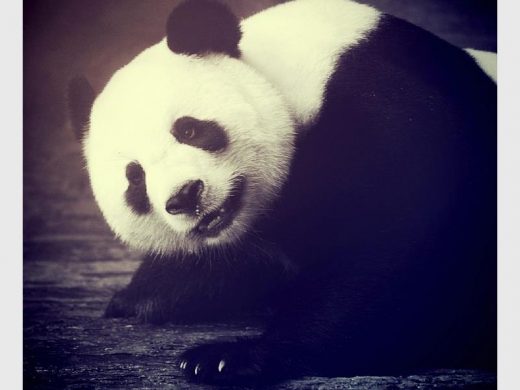
I’m afraid seeing a giant panda in the wild is such a very remote possibility that it is not even on our bucket list.
Once when we were in London we were heading in the general direction of the famed London Zoo to see their panda, but as we came closer we learned that the entry charge for the zoo was £3 (about R30), which in those days was an unheard of amount of money, so we satisfied ourselves with watching the royal swans on a city park lake – for nothing.
*Save the Elephants News Service
HAVE YOUR SAY
Like our Facebook page, follow us on Twitter and Instagram
For news straight to your phone, add us on WhatsApp 082 421 6033