Today we will present some practical advice on how to boost your anti-oxidants through diet and lifestyle, to combat oxidative stress in your body, and improve your health.
ALSO READ : Turning the Tide – Antioxidants and their benefits (Part 1)
As mentioned last week, a number of chronic conditions are related to oxidative stress – too many free radicals in our bodies. These include atherosclerosis and heart disease, arthritis, acute and chronic kidney disease, auto-immune disease, certain skin diseases, ageing, macular degeneration, and neuro-degenerative disease like Alzheimer’s.
The body does produce some antioxidants, but most come from our diet.
Vitamin E – There are 8 forms of this fat soluble vitamin. The most bioactive form is ⍺-tocopherol. Naturally occurring tocopherol is nearly twice as effective as synthetic tocopherol. Because it is fat-soluble, it safeguards cell membranes from damage by free radicals. It has been proposed for the prevention of colon, prostate and breast cancers, some cardiovascular diseases, cataracts, arthritis and certain neurological disorders. However doses of 400 IU or more per day can increase the risk of death, although 200 IU are protective. Good plant food sources include spinach, kiwi, tomatoes, hazelnuts, sunflower seeds, broccoli and almonds. Other sources include vegetable oils, whole grains, nuts, cereals, eggs, poultry and meat. Excessive cooking and prolonged storage may destroy natural tocopherol in foods.
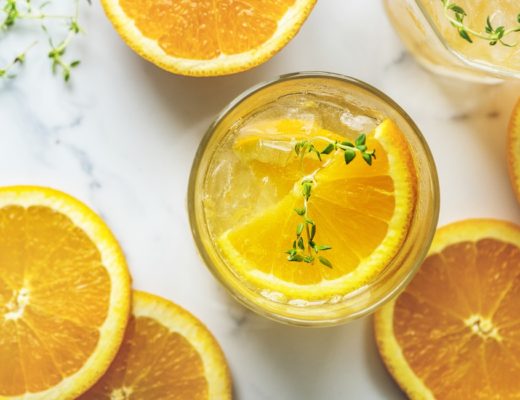
Vitamin C – perhaps one of the best known anti-oxidants is also called ascorbic acid. It is essential for collagen, carnitine and neurotransmitter biosynthesis. It is anit-oxidant, anti-atherogenic, anti-carcinogenic and an immunomodulator ( assists the immune system). It also regenerates other anti-oxidants – for instance it works synergistically with vitamin E. It reduces the incidence of stomach cancer and prevents lung and colorectal cancer. However the intake of high doses of vitamin C (2000 mg or more per day) can increase the risk of certain cancers. Natural sources are acid fruits, green vegetables like Brussel’s sprouts, cabbage, turnip greens, cauliflower, green and red peppers, sweet and normal potatoes, tomatoes and winter squash. Being water soluble, it can easily be lost during cooking.
Beta-carotene – another fat soluble vitamin. It can be converted into active vitamin A. It is converted into retinol, which is essential for vision.
Doses of 20 mg daily in cigarette smokers increases the risk of lung cancer, and prostate cancer – another reason to rather take natural foods containing beta-carotene.
Top sources include carrots, sweet potatoes, winter squash, spinach, kale, spanspek (cantaloupe) and apricots.
Lycopene – this is another fat soluble anti-oxidant caroteinoid. It protects against prostate cancer. The main dietary source is tomatoes – especially cooked tomatoes, tomato juice and tomato sauce. Other sources are watermelon, pink grapefruit, pink guava and red-fleshed papayas (pawpaws).
Selenium (Se) – is actually a trace mineral found in soil and water, where it is absorbed by plants. Plant sources include garlic, onions, grains, nuts, soybeans, Brazil nuts, brown rice, mushrooms, oatmeal and spinach. It can also be obtained from sea food, meat, liver and yeast. Once again excessive doses can be harmful – so food sources are better than supplements.
Flavonoids are polyphenolic compounds present in most plants. Over 4000 flavonoids have been identified, and include fancy names like flavones, isoflavones, anthocyanins, etc. They are potent anti-oxidants. They prevent or delay chronic and degenerative ailments such as cancer, heart diseases, arthritis, ageing, cataracts, memory loss, stroke, Alzheimer’s, inflammation and infection. Top plant sources include romaine (cos) lettuce, blueberries, celery, tomatoes, peaches, apples, chick peas, pears, oranges, almonds, strawberries, watermelon, onions, broccoli, green tea, red-skinned grapes, cocoa, etc.
Omega-3 fatty acids. These are essential long-chain polyunsaturated fatty acids, which the human body cannot synthesise. There are 3 major dietary types: eicosapentaenoic acid (EPA), docosahexaenoic acid (DHA) and alpha-linolenic acid (ALA). Plant foods such as flax or linseeds and chia seed are good sources, but also spinach. DHA and EPA are best obtained from fatty fish, but avoid fish that could be contaminated with mercury. Some people may need to take supplements. Some people are able to convert ALA into DHA and EPA, others are not efficient convertors.
ALSO READ : Turning the Tide on Lifestyle Diseases – Motivation for change
What about supplements? In this day and age when pharmacies and supermarkets are flooded with all manner of health supplements, it is tempting to think that you can improve your health by taking multivitamins and anti-oxidant supplements. However there are no good scientific studies to prove long-term benefit from taking these supplements, unless deficiencies have been proven, or unless dietary intake is inadequate. As mentioned above, taking excessive dosages of some supplements can actually be harmful. “If possible, it is best to get the antioxidants from a diet rich in fruits and vegetables rather than from supplements” say the experts.
.https://www.ncbi.nlm.nih.gov/pmc/articles/PMC3614697/
The conclusion of the above review article is: “The implication of oxidative stress in the [cause] of several chronic and degenerative diseases suggests that antioxidant therapy represents a promising avenue for treatment. In the future, a therapeutic strategy to increase the antioxidant capacity of cells may be used to fortify the long term effective treatment. However many questions about antioxidant supplements in disease prevention remain unsolved. Further research is needed before this supplementation could be officially recommended as an adjuvant therapy. In the meantime, it is reminded that avoiding oxidant sources (cigarettes, alcohol, bad food, stress, etc) must be considered as important as taking a diet rich in antioxidants. Indeed our health also depends on our lifestyle choice.”
Isn’t it strange that after lauding the benefits of these antioxidants found in so many natural foods, the authors insist on talking about anti-oxidant supplements – a way for big Pharma to try to market our health again! It is so much healthier just to go for a better diet, full of these protective chemicals naturally.
According to Ocean Robbin’s article, mentioned last week, a number of foods have been identified through research to be high in anti-oxidants. I have picked out a few that are readily available to us here in South Africa.
Spices:
Allspice – contains vitamins A and C, eugenol, quercetin and tannins.
Cinnamon – is full of polyphenols, higher than 26 other spices in terms of anti-oxidants.
Cloves – one of the best natural anti-oxidants – used in the ground up form in cooking.
Herbs:
Oregano – found to be strong anti-oxidant and anti-carcinogenic.
Coriander or Dhania (cilantro in the USA) high in quercetin, iron, magnesium and manganese
Vegetables:
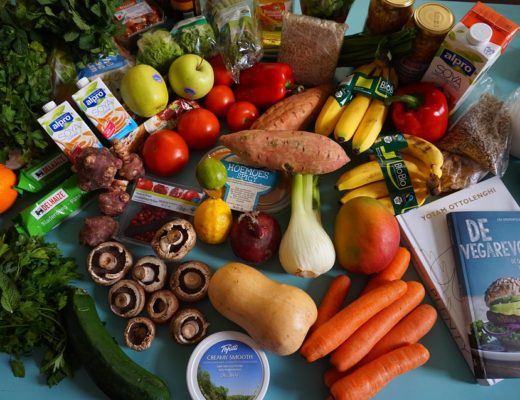
Purple cabbage – the world’s cheapest source of anti-oxidants per gram.
Curly kale – one of the world’s most nutrient-dense foods. Has beta-carotene, vitamins C, K and B6, manganese, calcium, copper, potassium and magnesium.
Fruits and berries:
Dried apples and apricots – anti-oxidants have been concentrated.
Blueberries – highest levels of anti-oxidants of all readily available berries.
Nuts:
Pecans – shown to reduce oxidation of LDL, and help prevent heart disease.
Others:
Dark chocolate – polyphenols, flavanols and catechins – even more anti-oxidants than blueberries!
Coffee – turns out to have loads of anti-oxidants, but probably not such a good idea to have with saturated fat-loaded coffee-creamers. Besides experts in Alzheimer’s express reservations about its use, as contributing to neurological decline.
Does this mean that you now need to rush out and buy these specific foods? No, although if you come across them, it would be good to add to your shopping trolley.
The most important principle of healthy eating though is to eat a variety of foods, and be a bit adventurous with your tastes and cooking.
Cut down on animal products as being the centre of your diet, and begin to shift towards a plant-strong diet. If you are already suffering from the diseases mentioned above (like heart disease, diabetes, arthritis, high blood pressure, cancer, auto-immune diseases) then you may want to move more quickly to a diet rich in anti-oxidants (a plant-based diet).
To a week ahead made interesting by trying out some new foods for health.
Dave Glass

Dr David Glass graduated from UCT in 1975. He spent the next 12 years working at a mission hospital in Lesotho, where much of his work involved health education and interventions to improve health, aside from the normal busy clinical work of an under-resourced mission hospital.
He returned to UCT in 1990 to specialise in obstetrics/gynaecology and then moved to the South Coast where he had the privilege of, amongst other things, ushering 7000 babies into the world. He no longer delivers babies but is still very clinically active in gynaecology.
An old passion, preventive health care, has now replaced the obstetrics side of his work. He is eager to share insights he has gathered over the years on how to prevent and reverse so many of the modern scourges of lifestyle – obesity, diabetes, ischaemic heart disease, high blood pressure, arthritis, common cancers, etc.
He is a family man, with a supportive wife, and two grown children, and four beautiful grandchildren. His hobbies include walking, cycling, vegetable gardening, bird-watching, travelling and writing. He is active in community health outreach and deeply involved in church activities. He enjoys teaching and sharing information.
HAVE YOUR SAY
Like our Facebook page, follow us on Twitter and Instagram
For news straight to your phone, add us on WhatsApp 082 421 6033