Last week we discussed the effect of chronic stress on the development of conditions like high blood pressure, and presented some of the interventions that have been shown to reduce chronic stress. In this final article on high blood pressure, we will flesh-out some of the recommendations.
ALSO READ : Turning the Tide – Dealing with the scourge of hypertension (Part 7)
Here are some of the recommendations we outlined last week.
- Get enough sleep.
- Learn relaxation techniques.
- Strengthen your social network.
- Hone your time-management skills.
- Try to resolve stressful situations if you can.
- Nurture yourself.
- Ask for help.
The following points are most often associated with religious experience, but not necessarily. However most religions seek to provide motivation and empowerment to fulfil these high ideals.
Meditation:
Meditation is one of the interventions recommended for lowering blood pressure. There are various forms of this practice. It is widely practiced in eastern religions and is becoming increasingly popular in the West.
Mindfulness is a technique where one concentrates on different parts of the body (called body scan techniques), letting thoughts arise and pass, or during daily activities like being aware of the taste and texture of the food we eat.
Some forms require the practitioner to suspend logical thought processes or induce mental silence, like in yoga.
Another form of meditation is with religious practices – thoughtful reading of scriptures, and meditating upon the story and its implications to our lives. Prayer, and specifically thinking about problems and handing these over to God’s intervention. This is very different to mindless repetition of mantras, or memorised prayers. It involves a relationship with our Creator and recognises God’s personal involvement in our lives. Attached is a study which confirms the benefits of active religious exercises on blood pressure.
Of course there are religious beliefs and practices that can increase stress – fear based religions where one has to appease an angry God, and one lives in dread of retribution or judgement.
Forgiveness:
Marital and work-related conflicts are often causes of chronic stress. These have multiple effects – including effects on the auto-immune system with increased risk of infections, stomach ulcers, increased risk of cancer, skin conditions, lack of sleep, fatigue and depression.
Another cause of chronic stress is race-motivated conflict. This was one of the points brought out in our last article.
Forgiveness both of oneself as well as others has been shown to reduce blood pressure and other cardiovascular negative effects. https://www.eurekalert.org/pub_releases/2003-10/cff-faf100703.php. This is particularly important in South Africa with increasing racial slurs amongst politicians and prejudiced individuals.
Gratitude:
Gratitude can make such a difference to our attitude towards life, and our ability to face life challenges.
“Clinical trials indicate that the practice of gratitude can have dramatic and lasting effects in a person’s life. It can lower blood pressure and improve immune function… grateful people engage in more exercise, have better dietary behaviours, are less likely to smoke and abuse alcohol, and have higher rates of medication adherence.” Here is an article that sets out some practical steps to use gratitude to enhance the quality of our lives and health.
Acts of Kindness and compassion:
“Committing acts of kindness lowers blood pressure. According to Dr. David R. Hamilton, acts of kindness create emotional warmth, which releases a hormone known as oxytocin. Oxytocin causes the release of a chemical called nitric oxide, which dilates the blood vessels. This reduces blood pressure and, therefore, oxytocin is known as a “cardioprotective” hormone. It protects the heart by lowering blood pressure.” https://www.randomactsofkindness.org/the-science-of-kindness.
So, after all this discussion over the last 8 weeks – treating blood pressure is far more involved that just taking a bunch of pills every day. It includes exercise, diet, mental attitudes and interventions for stress.
I hope that you can discover the benefits of a holistic approach to health and disease, and recognise that life is far too important to neglect that wonderful gift.
Dave Glass
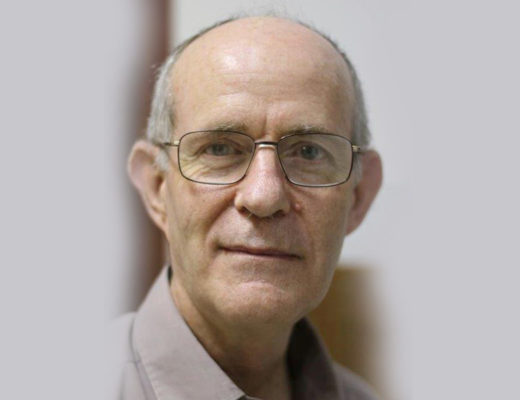 Dr David Glass graduated from UCT in 1975. He spent the next 12 years working at a mission hospital in Lesotho, where much of his work involved health education and interventions to improve health, aside from the normal busy clinical work of an under-resourced mission hospital.
He returned to UCT in 1990 to specialise in obstetrics/gynaecology and then moved to the South Coast where he had the privilege of, amongst other things, ushering 7000 babies into the world. He no longer delivers babies but is still very clinically active in gynaecology.
An old passion, preventive health care, has now replaced the obstetrics side of his work. He is eager to share insights he has gathered over the years on how to prevent and reverse so many of the modern scourges of lifestyle – obesity, diabetes, ischaemic heart disease, high blood pressure, arthritis, common cancers, etc.
He is a family man, with a supportive wife, and two grown children, and four beautiful grandchildren. His hobbies include walking, cycling, vegetable gardening, bird-watching, travelling and writing. He is active in community health outreach and deeply involved in church activities. He enjoys teaching and sharing information.
HAVE YOUR SAY
Like our Facebook page, follow us on Twitter and Instagram
For news straight to your phone, add us on WhatsApp 082 421 6033