Although we have had a number of blogs on diabetes (the Black Death of the 20th Century – see the link at the end of this paragraph), this is such a pervasive and relentless disease, it is worth us taking a few weeks to understand what causes it and how to reverse it using a lifestyle approach. Every week I see patients or hear of their relatives who are battling with the inevitable progression of this disease. Sometimes whole families are affected, and for my patients it almost seems unavoidable that they will also develop the disease and its life threatening complications – like it is their lot in life, determined by their genetic heredity. And yet there are so many stories of people who through relatively simple lifestyle changes have turned their ship around and sailed into health and vitality and a long and productive life. Why wouldn’t you want to know how to do that?
ALSO READ : Turning the Tide on Lifestyle Diseases: Diabetes – the modern plague (part 1)
What we plan to do over the next few weeks is take time first to understand the physiology of carbohydrate metabolism (in simple terms find out how our body deals with carbs), then learn what actually goes wrong and why we develop diabetes. The final section will be on how to manage diabetes if we do have it, from a lifestyle medicine approach. Doctors are trained to medicate diseases and seek to control them, but few are trained to reverse the diseases through lifestyle interventions. We hope to complete the picture, without detracting from the importance of good medical therapy.
I will share a few links with you to see how effective lifestyle medicine is in reversing diabetes. See footnote.
Of course there are hundreds more stories, but this is enough for this week. Next week we will look at carbohydrates and how the body processes them.
There is hope for your diabetes – don’t give up.
To a week of hope.
Dave Glass
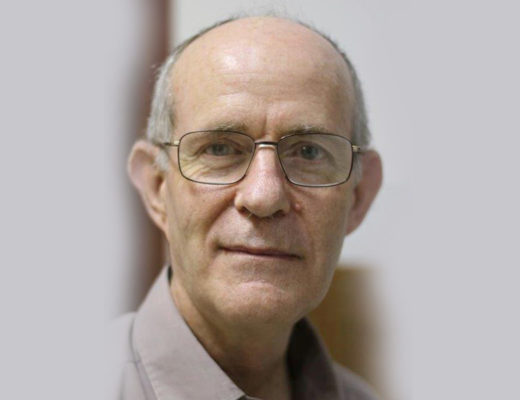
Dr David Glass graduated from UCT in 1975. He spent the next 12 years working at a mission hospital in Lesotho, where much of his work involved health education and interventions to improve health, aside from the normal busy clinical work of an under-resourced mission hospital.
He returned to UCT in 1990 to specialise in obstetrics/gynaecology and then moved to the South Coast where he had the privilege of, amongst other things, ushering 7000 babies into the world. He no longer delivers babies but is still very clinically active in gynaecology.
An old passion, preventive health care, has now replaced the obstetrics side of his work. He is eager to share insights he has gathered over the years on how to prevent and reverse so many of the modern scourges of lifestyle – obesity, diabetes, ischaemic heart disease, high blood pressure, arthritis, common cancers, etc.
He is a family man, with a supportive wife, and two grown children, and four beautiful grandchildren. His hobbies include walking, cycling, vegetable gardening, bird-watching, travelling and writing. He is active in community health outreach and deeply involved in church activities. He enjoys teaching and sharing information.
HAVE YOUR SAY
Like our Facebook page, follow us on Twitter and Instagram