Last week we wrote about the Mediterranean diet, and before that the Banting diet. All of these diets have strong proponents and a great deal of research to support their benefits, but also their limitations. We have written about the Energy Density approach to weight loss, as well as the Designer diet – based upon the original diet recommended by our Creator – the mastermind behind our anatomy and physiology. Ultimately the reason why we gain weight is because we are taking in more kilo-joules than we are burning up with normal physiological processes and physical activity. Thus most professional dieticians and life coaches will suggest you introduce portion control – which makes sense from a mathematical and physiological perspective. If you are burning up 8000 kj per day, but you are ingesting 10,000 kj, over a period of time you will pack on the “pounds”. So either you have to decrease the intake of kilojoules, or increase the rate of expenditure of energy to achieve balance.
ALSO READ : Turning the Tide – Dealing with the main lifestyle-related conditions in South Africa (Part 5)
One of the common ways of achieving this is through the counting of calories/kilojoules. It is estimated that in order to lose 1 kg you would have to burn up 32,000 kj (3500 cals for 1 pound). So if you were to cut around 4500 kj per day you would lose around 1 kg per week. However when you lose weight you not only lose fat, but also muscle bulk and water, unless you are compensating by increasing water intake and building muscle through exercise, and a balanced diet. As you lose weight your metabolic rate (the rate at which you burn kilojoules) may slow down to conserve energy, thus slowing down your rate of weight loss.
(The information in this paragraph is somewhat simplistic as it is not just about the energy content of foods – some foods also require more energy to metabolise than others e.g. whole foods utilise energy to be processed in our bodies).
The traditional recommendations of dieticians are:
• Skipping high-kilojoule, low-nutrition items (like sugar-loaded drinks and fat loaded snacks)
• Swapping high-kilojoule foods for lower kilojoule options (like high-fat vs low-fat options)
• Reducing portion sizes (examples are using a smaller size plate, and cutting out second helpings)
Some of the tips to implement these principles include:
• Start small – at the beginning of a meal, take slightly less that what you think you will eat. If you are still hungry, eat more fruit or vegetables (the lowest kilojoule dense foods around).
• Eat from plates, not packages. If you are eating yoghurt from a big container, or from the packaging that fast foods come in, you will probably eat more than you realise. On a plate you have a better idea how much you are actually eating.
• Eat slowly and mindfully – savouring your food, and chewing it properly. It is best to sit down at a table. Too many people gulp their food down, sitting in front of the TV or on the run not realising how much they have eaten, and not giving your normal satiety mechanism enough chance to register that you have had enough to eat.
• Check food labels. Too few people actually realise how much their favourite foods are loaded wit
kilojoules. There may be alternatives that taste equally good, but are lower in energy levels. Check the Nutrition Facts panel for the number of kilojoules per 100 gm and per normal serving.
• Some experts suggest you get a calorie counter and scale to weigh everything. This can be tedious and time consuming. My recommendation would be to do an overall assessment of the types of foods you generally eat to get an informed overview of the energy content of foods, but then dispense with the daily calorie counting and use some good common sense.
• Plan ahead for snacks and meals. Trying to make rational decisions about the healthiest food options when you are ravenously hungry or mentally fatigued after a busy day is doomed to failure. It is good to do bulk cooking over the weekend, so you have ready prepared foods in the fridge or freezer when you get home in the evenings; and prepare low-kilojoule but satisfying snacks to eat on the run, or for your lunches.
• Dehydration is often interpreted as hunger, so drinking plenty of water during the day can help to reduce your perceived hunger. Of course drinking water instead of kilojoule-loaded soft drinks or fruit juices is also a rational way to reduce excess kilojoule intake. The best way to ingest fruit is through whole fruits rather than fibre-stripped fruit juice.
• Another common problem is that of “finishing food on your plate”. Our mothers taught us to finish our food – even when we don’t feel hungry. We feel that leaving food is wasting it, so we tend to eat it even though we don’t really need it. When you eat left-overs to avoid waste, you just end up with a bigger waist. It is better to throw away excess food than to eat it. The best idea is to not prepare too much food in the first place. Some left-overs can be frozen and added to soups or stews.
• Boredom can be a factor in over-eating. Getting involved in hobbies like knitting, painting, gardening, walking or cycling, and removing yourself from proximity to the fridge or pantry can be a very helpful intervention in your weight-loss journey. Psychological factors in weight control.
There is no doubt that food can be an addiction. There are huge psychological relationships with eating. We are well aware of the concept of comfort foods, and comfort eating. Often parents start the process by bribing children with snacks and sweets when they have to go shopping, or to keep children happy and quiet and when they want to get on with their work. Sometimes parents give sweets or snacks when children are upset or hurt to comfort them, or after punishing them (as penance for their parental outbursts).
Dr Susan Pierce-Thompson is a world expert in the field of weight reduction, especially in the area of food addiction. Here is one of the many video interviews available on the internet and her explanation of the mechanisms of food addiction.
She runs an excellent and highly successful programme called Bright-Line Eating.
I once before dealt with her recommendations in a more detailed article on this blog site. Go here to get more information:
The Cons of Portion Control Hunger is a very powerful force. If you are still hungry after your small volume of food intake, it takes a huge amount of will-power to avoid eating more to feel satiated. This is where eating high-bulk but lowenergy-dense foods makes more sense, and makes dietary weight loss strategies more successful. It is true that we can, with practice, get used to smaller volumes of foods, by utilising some of the strategies above. It is important though to get a good variety of nutrients – a wide variety of fruits, vegetables, wholegrains and legumes, with a small amount of seeds and nuts. High energy dense foods like meat and fish and dairy should be used sparingly if desired. I trust that the above has given you some useful tips to aid you on your journey to a slimmer and healthier you.
Dave Glass
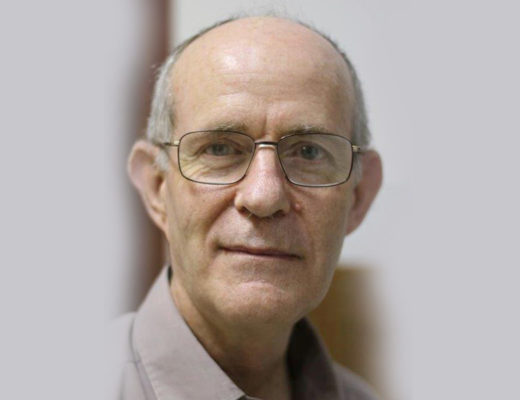
Dr David Glass graduated from UCT in 1975. He spent the next 12 years working at a mission hospital in Lesotho, where much of his work involved health education and interventions to improve health, aside from the normal busy clinical work of an under-resourced mission hospital.
He returned to UCT in 1990 to specialise in obstetrics/gynaecology and then moved to the South Coast where he had the privilege of, amongst other things, ushering 7000 babies into the world. He no longer delivers babies but is still very clinically active in gynaecology.
An old passion, preventive health care, has now replaced the obstetrics side of his work. He is eager to share insights he has gathered over the years on how to prevent and reverse so many of the modern scourges of lifestyle – obesity, diabetes, ischaemic heart disease, high blood pressure, arthritis, common cancers, etc.
He is a family man, with a supportive wife, and two grown children, and four beautiful grandchildren. His hobbies include walking, cycling, vegetable gardening, bird-watching, travelling and writing. He is active in community health outreach and deeply involved in church activities. He enjoys teaching and sharing information.
HAVE YOUR SAY
Like our Facebook page, follow us on Twitter and Instagram