What will it take to end the growing culture of non-payment for services that is becoming endemic amongst municipal consumers?
ALSO READ : Good Business Basics: Actions must follow words
The huge Eskom debt, approaching R9-bn owed by the residents of Soweto alone, while an alarming indication of the morality of consumers, is also an indictment on the ruling party for following the path of political populism by avoiding a potential backlash from voters arising from sterner action on defaulters.
Cash flow
The AG in his latest report has revealed that Tshwane Metro has declared R8,1-bn in payments from consumers as irrecoverable. These are eye-watering sums in anyone’s book, let alone local municipalities countrywide that suffer chronic cash flow issues.
Alarmingly, these figures are being reported from some of the largest municipal entities in the country, so it is fair to assume that the situation in the other 250-odd smaller municipalities will paint much the same, if not worse a picture.
Blame
While it is fair to apportion a significant part of the blame to the dismal performance of the revenue management units at municipalities large and small (Johannesburg failed to collect an astounding 88 percent of what it was due from customers in the past financial year), it is hard to imagine that consumers do not have some idea of the impact their serial delinquency has on the overall performance of their municipalities.
There are perhaps three issues that provide some mitigation for the actions of consumers. Firstly, the non-payment of national and provincial government’s accounts to local municipalities is well known, secondly the rampant corruption and mismanagement evident at a local government level, and thirdly, the perception that service delivery is significantly below par is widespread.
Change
All three of these provide convenient retorts from non-paying consumers who take their lead from other government structures, and feel that any payments from them will not improve service delivery, or will disappear into the abyss that is corruption.
So changing entrenched consumer behaviour is not going to be easy, and needs to unfold on a number of levels:
Government needs to lead by example by paying for municipal services consumed
Management of municipalities needs to be cleaned out to give confidence to consumers that money collected is well spent and not misused or stolen
Service delivery needs to be significantly improved at all levels
Consequence management for defaulters, such as disconnections, needs to be improved, and not be held hostage to political populism.

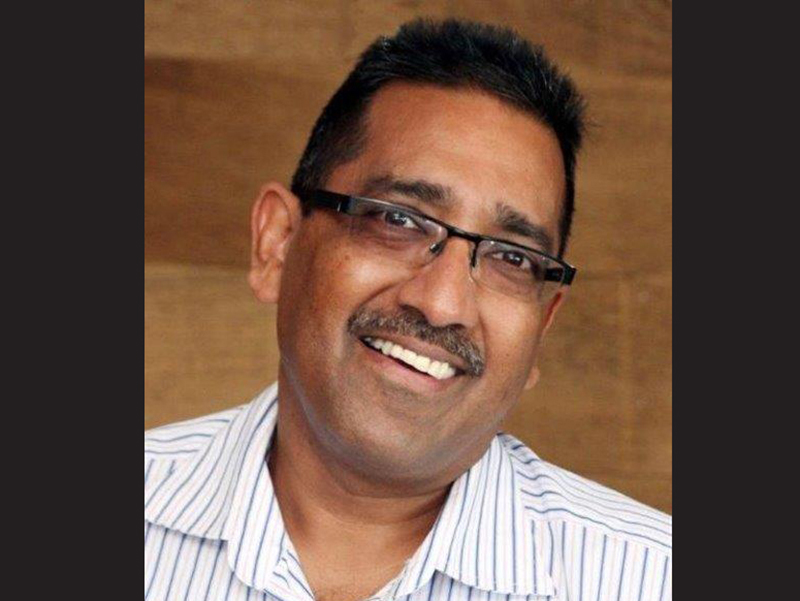
After matriculating, Vijay Naidoo studied Economics in the UK. Upon his return, he joined the family construction business as MD for 10 years.
He subsequently joined his sister in their furniture manufacturing business as director for quality assurance and operations. He was responsible for all quality aspects of their products, and led the project to the business achieving an ISO 9000 quality accreditation. As an export focused business, this was important for our international competitiveness.
Mr Naidoo has an abiding interest in quality management and productivity improvement, particularly in manufacturing.
More recently, he has focused a lot of his time on giving back to the community by way of mentorship of small businesses and sitting on the executive of the South Coast Chamber of Commerce. He also sits on the Board of the Ugu South Coast Development Agency.
HAVE YOUR SAY
Like the South Coast Herald’s Facebook page, follow us on Twitter and Instagram
To receive our FREE email newsletter, click HERE