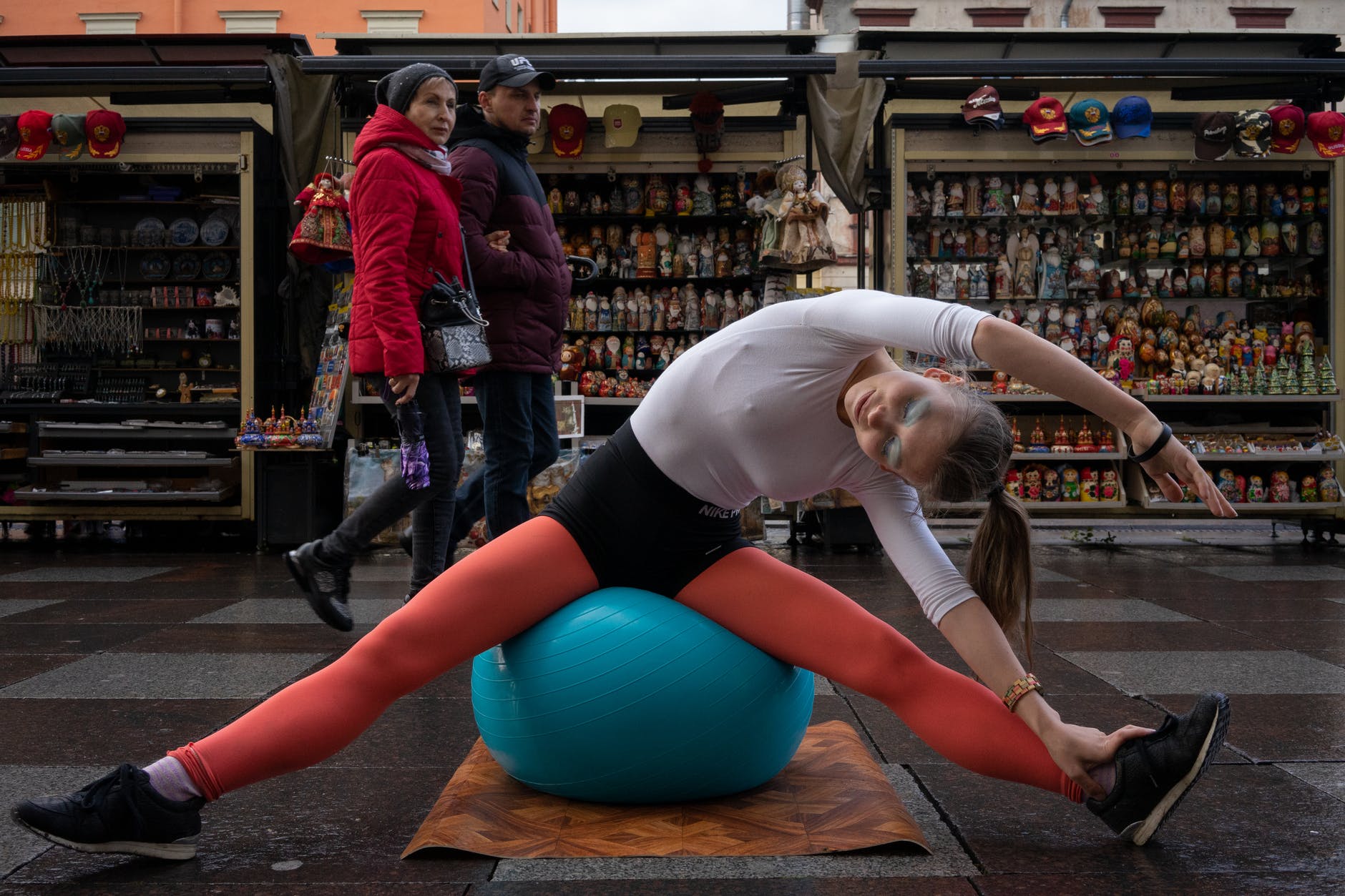
Last week I said I would talk about different types of physical activity, but came across some rather sobering information about sitting and inactivity that I thought I should share first. I am busy with a course on Lifestyle Medicine Core Competencies provided by the American College of Lifestyle Medicine – designed to empower and educate health care workers in all fields of medicine to provide scientifically sound practical information.
A number of studies have been done on the effects of inactivity, particularly sitting. One large study looked at over 220,000 individuals over the age of 45 years with a mean follow-up of 2,8 years. The all-cause mortality was increased in those with the most inactivity, even compared to those with pre-existing heart disease and diabetes. What that means is that even if you don’t have heart disease or diabetes, your risks from inactivity are increased compared to those who are active with heart disease or diabetes.

Another study compared three groups of people:
- Those who had prolonged periods of uninterrupted sitting
- Those who got up for 2 minutes bouts of light-intensity walking every 20 minutes
- Those who got up for 2 minutes of moderate-intensity walking every 20 minutes.
What they found is that blood glucose and insulin levels were significantly reduced following both light and moderate activity, compared to persistent prolonged sitting.
Here is another surprising study: They compared people who did as much as 7 hours of TV watching per day but performed a fair amount of exercise as well, to people who watched only 1 hour of TV per day but did very little exercise. The mortality rate was higher in those with only 1 hour TV viewing but no exercise, compared to those who watched 7 hours TV per day with exercise. Obviously, overall the benefits increased the less TV and more exercise was done.
It is suggested that in future, exercise guidelines will not recommend how much or how long exercise should be performed each week, but also include the amount of intermittent activity to break up sedentary times, particularly prolonged sitting.
One study with over 4700 participants showed that the amount of sedentary time was strongly correlated with:
- Waist circumference (goes up with decreasing activity)
- HDL cholesterol (the protective cholesterol which rises with increasing activity)
- Triglycerides goes down with increasing activity
- C-reactive protein (a marker of inflammation) rises with less activity
- Insulin levels drop with increasing activity (this means the muscle cells are more sensitive to insulin. High levels of insulin are associated with numerous negative effects on health.
- Beta cell function is diminished by inactivity (Beta cells are the pancreatic cells responsible for controlling blood sugar levels through the production of insulin).
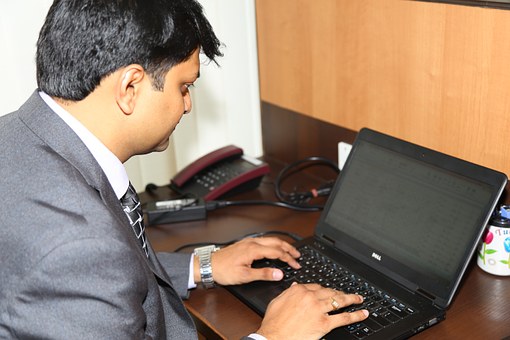
What can be done to reduce inactivity from prolonged sitting?
The simplest and cheapest way is to set a reminder every 20 minutes if you are involved in a sedentary job – like sitting in front of a computer most of the day. Get up and move – walk up and down the passage, or up and down a flight of stairs, for just 2 minutes. It is helpful to drink lots of water – not only does it keep your body well hydrated, but you also have to go to the loo often during the day. At your tea break or lunch break, it is a good idea to go for a brisk walk for 10 minutes or so. This may include climbing stairs or walking in the sunshine if the weather permits.
More expensive options are sitting on these big therapy balance balls (used by maternity patients in pre-natal classes) while you are doing your work at the desk. This provides good muscular activity as you have to sit well balanced. Every now and then you can give a little bounce to improve your circulation.
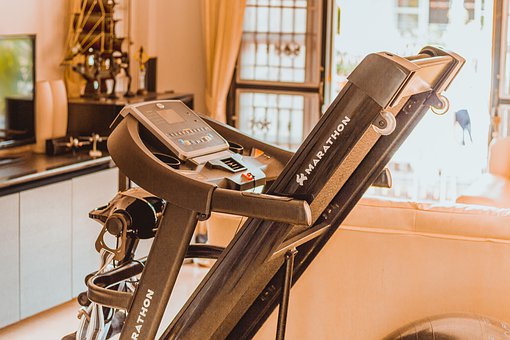
Another option is working at a desk on a treadmill. I can just imagine the disbelief in your boss’s face when you approach him with a request to provide a treadmill for you to walk on while you are typing out your reports! I have even seen pictures of board rooms in which each board member is working out on a treadmill – all facing each other. Certainly those board meetings will not be bored meetings.
Here is a clever option – having an exercise bicycle to sit on while working at your desk. I even saw a picture of a special bicycle that carries 5-7 people all pedalling, facing towards the centre of the bicycle. Their pedals are connected to a central gear which then powers the bicycle. One of the participants then steers the “bicycle”. We actually saw these contraptions in Vienna last year. A whole family can get on the same machine and each contribute to pedalling at the same time.
You could perhaps persuade your boss that your increased productivity and general health would make the investment in one of these exercise options worth his/her while!
Here is a take-home message: “The clear message is that to be physically active is not enough, but one also needs to avoid too much time spent in sedentary behaviours”. This was quoted in a scholarly review of studies of physical activity and inactivity in relationship to chronic disease. Here is another very comprehensive review on the subject of exercise and sedentary behaviour.
So what can you do this week to reduce your risk of chronic disease? Having these exercise gadgets at work are probably a bit over the top, but you get the idea that combining work and exercise even in a small way is helpful. Spend enough time each week in mild to moderate physical activity – like brisk walking or cycling or sports or gym. But also break your sedentary times with short bursts of activity every 20-30 minutes.
Have a great week.
Dave Glass
Dr David Glass graduated from UCT in 1975. He spent the next 12 years working at a mission hospital in Lesotho, where much of his work involved health education and interventions to improve health, aside from the normal busy clinical work of an under-resourced mission hospital.
He returned to UCT in 1990 to specialise in obstetrics/gynaecology and then moved to the South Coast where he had the privilege of, amongst other things, ushering 7000 babies into the world. He no longer delivers babies but is still very clinically active in gynaecology.
An old passion, preventive health care, has now replaced the obstetrics side of his work. He is eager to share insights he has gathered over the years on how to prevent and reverse so many of the modern scourges of lifestyle – obesity, diabetes, ischaemic heart disease, high blood pressure, arthritis, common cancers, etc.
He is a family man, with a supportive wife, and two grown children, and four beautiful grandchildren. His hobbies include walking, cycling, vegetable gardening, bird-watching, travelling and writing. He is active in community health outreach and deeply involved in church activities. He enjoys teaching and sharing information.
HAVE YOUR SAY
Like the South Coast Herald’s Facebook page, follow us on Twitter and Instagram
To receive our FREE email newsletter, click HERE