Exercise is a science. It has been studied extensively. In fact there is even a speciality in sports science – where doctors and experts in sports work together to understand how the body works and how to reduce injuries and improve performance. These studies have provided much information that helps us to safely engage in exercise and get the most out of our training. Unfortunately there is still so much conflicting advice out there, it is difficult to negotiate truth from fiction. Obviously if you are wanting to run the Comrades or the Two-Oceans, or cycle in the Argus, or Berg to Sea, you will need more specialised coaching. What we are aiming to do in this series of articles is provide guidelines for just simple interventions to improve your fitness and general sense of well-being, and reduce the risks of chronic diseases associated with the modern inactive lifestyle.
ALSO READ : Turning the Tide: The role of exercise in restoring vitality (Part 2)
I must say I am heartened to see how many people from all different walks of life are becoming involved in exercise – both in the gym, but also out on the roads. I see young children cycling with their parents or grandparents; I see children jogging with their mom’s or dads; I see women walking briskly in small groups, or jogging with their earphones blocking out the rest of the world. A common and seemingly safe route is Lilliecrona Road between Uvongo and Margate beaches. Apart from the fact that it has little road traffic, it is relatively flat, and provides stunning views of the sea while you exercise.
Please let us know of any other safe routes on the South Coast in the comments below this article.
Different types of exercise
There are basically four different types of exercise:
- Aerobic or Cardiovascular exercise.
This is activity in which the body’s large muscles are moved in a rhythmic manner for a sustained period of time. It can also be called endurance activity. Not only does it strengthen muscles, but it also improves the lung and heart function, and improve blood supply to tissues and organs being used.
Examples of this are moderate to brisk walking, jogging, cycling, swimming, skipping, walking on a treadmill, spinning, hiking, skiing, skating, etc. It is also part of active sports – hockey, soccer, rugby, cricket, netball, volleyball, tennis, squash etc.
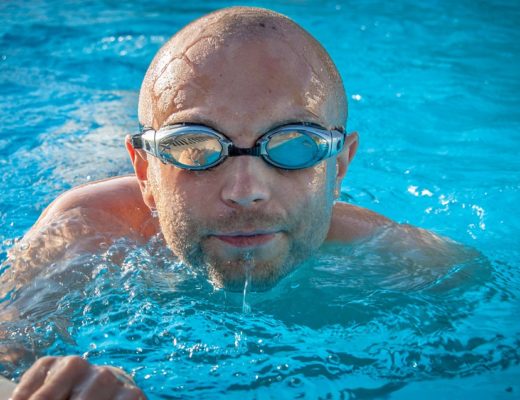
You can incorporate this into daily activities – running up steps, walking briskly from your parked car into the mall. Playing with your children outside, children playing touch games, or throwing or kicking balls. There are endless ways of doing enough exercise to make your heart race, and your muscles tired.
Recommendations – 150 minutes of moderate or 75 minutes vigorous aerobic exercise per week for adults for general fitness. If you want to really get the most out of your body, increase that to double the amount. It is good to build up slowly if you are unfit.
The first article (part 1) in this series emphasised the benefits of this type of exercise in particular.
- Resistance Training or Strengthening exercise.
This is a component of physical fitness that places resistance on muscles or muscle groups in order to enhance strength and ability to exert force.
Examples of this are lifting weights, sit-ups, push-ups (also called press-ups), squats, pull-ups. Much of the gym equipment is designed for strength training.
Benefits of strength training include:
- Reducing the risk of injury
- Increase basal metabolic rate (by increasing muscle mass that burns energy more readily)
- Reduces fatigue
- Improves sleep
- Improves performance
- Increases muscle and cross-sectional area (another way of saying builds sexy muscles)
- Improves quality of life, strength, endurance and bone mineral density in early post-menopausal years in women
- Reduces body fat, maintains weight, improves aesthetic appearance
- Improves lipid (cholesterol) profile, glucose tolerance and controls or improves heart muscle functioning.
- Reduces pain and disability associated with arthritis.
Recommendations:
- Healthy adults (including seniors) – at least twice per week
- Children and adolescents – at least 3 days per week.
- Flexibility training
This increases the range of motion possible at a joint. It involves ligaments, tendons and muscle tightness.
There are not a lot of studies and no consensus recommendations.
However it is commonly recommended that:
- Warm up before doing any aerobic exercise by just gentle activity,
- Stretch after exercise, not before.
- Avoid “bouncing” during stretch.
- Hold for 20-30 seconds
- Should feel a gentle tension, not pain
- Balance training
These are static and dynamic exercises that are designed to improve individual\s ability to maintain balance – related to walking or movements of the environment.
Studies have showed that these kinds of exercises in seniors resulted in:
- 37% decrease in injuries from falls
- 30% decrease in injuries requiring medical care
- 43% decrease in severe injuries from falls
- 61% decrease in falls resulting in fractures
Recommendations: Seniors should do these exercises 3 or more days per week.
How are they done:
- Find a clear, flat floor surface free of loose carpets, preferably with a table or counter nearby, in case you need to steady yourself.
- Stand tall, wearing flat or no shoes.
- Place your hands on your hips.
- Keeping your eyes open, focus on an object in front of you
- Slowly raise one lower leg by bending your knee about 45 degrees, lifting your foot off the ground behind you.
- Start counting or start a stopwatch, and remain on one leg as long as you can.
- Stop counting if you have to put your foot down, or you have to grab the counter.
- Gradually build up your time spent in balance.

What is fitness?
It is the ability to carry out daily tasks with vigour and alertness without undue fatigue.
It provides ample energy to enjoy leisure-time pursuits and respond to emergencies.
It includes:
- Cardiorespiratory endurance (aerobic power)
- Skeletal muscle endurance, strength and power
- Flexibility
- Balance
- Speed of movement
- Reaction time
- Body composition.
Now that you know the different types of exercise, how about broadening your experience in exercise to incorporate aerobic, strengthening, flexibility and balance training.
For a fitter week,
Dave Glass
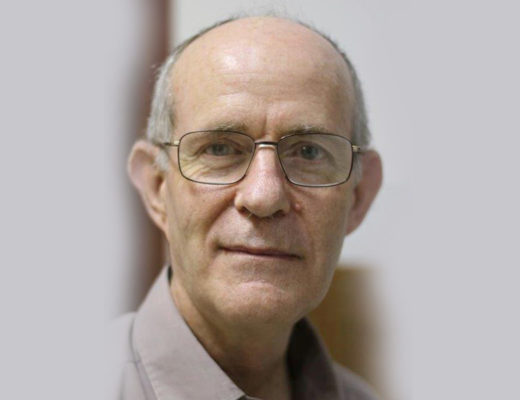
Dr David Glass graduated from UCT in 1975. He spent the next 12 years working at a mission hospital in Lesotho, where much of his work involved health education and interventions to improve health, aside from the normal busy clinical work of an under-resourced mission hospital.
He returned to UCT in 1990 to specialise in obstetrics/gynaecology and then moved to the South Coast where he had the privilege of, amongst other things, ushering 7000 babies into the world. He no longer delivers babies but is still very clinically active in gynaecology.
An old passion, preventive health care, has now replaced the obstetrics side of his work. He is eager to share insights he has gathered over the years on how to prevent and reverse so many of the modern scourges of lifestyle – obesity, diabetes, ischaemic heart disease, high blood pressure, arthritis, common cancers, etc.
He is a family man, with a supportive wife, and two grown children, and four beautiful grandchildren. His hobbies include walking, cycling, vegetable gardening, bird-watching, travelling and writing. He is active in community health outreach and deeply involved in church activities. He enjoys teaching and sharing information.
HAVE YOUR SAY
Like the South Coast Herald’s Facebook page, follow us on Twitter and Instagram
To receive our FREE email newsletter, click HERE