Last week we wrote about the four different types of exercise.
Today we are going to begin looking at specific needs for specific populations – starting with senior citizens. Perhaps because I fit that category, I can identify with this. However, the South Coast is known as a retirement destination. Many people up country have such great memories of coming to the coast for holidays, and can’t think of any better place to spend their retirement years. But there are also plenty of us who have lived on the coast for many years, and we could all benefit from exercise and being active.
ALSO READ : Turning the Tide – The Role of Exercise in Restoring Vitality (Part 3)
One of the health issues facing ageing men and women is a condition called sarcopenia. This is progressive loss of muscle tissue resulting in weakness and unfitness, but also difficulty with balance. Here is a very comprehensive article in layman’s language that provides some excellent pointers not only to prevent but also to control and reverse the condition:
As we get older, we are also more prone to chronic health conditions like arthritis, heart disease, obesity, diabetes, high cholesterol, high blood pressure, cancer and dementia. Exercise is important in helping to prevent each of these, but also helps to reverse or at least slow their progression.
What are some of the factors that inhibit physical activity as we “mature”?
- Health conditions as mentioned above e.g. arthritis may make exercise painful; chronic lung diseases or heart disease or obesity may make exercise difficult.
- Safety issues – seniors are very vulnerable to crime
- Balance issues resulting in falls or instability
- Laziness and lethargy
- Weather issues – too windy, or too hot or raining
However each of these can be addressed. “Where there is a will there is a way” (George Herbert 1640).
Do you need the permission of your doctor before you embark on exercise training? According to the Lifestyle Medicine experts if you do not have any symptoms like angina, or shortness of breath at rest, you do not have to get the approval of your doctor before commencing an exercise programme. However if you get angina pain, or pain in your legs with exercise, it is wise to do this under supervision.
I remember reading a story many years ago about a lady in her 50’s who had such bad ischaemic heart disease in spite of all the medical interventions of the day, that her doctor suggested she buy herself a rocking chair and relax at home until she died.
Not willing to give up that easily, she gradually, daily, increased her physical activity, limited only by the onset of angina pain. To begin with she couldn’t even reach the front door of her house, but with persistence and time, she was able eventually to reach the front gate; then around the block; then down the street. By the time she reached her 70’s she had climbed 4,421m Mt Whitney in California.
The best exercise for senior citizens is walking. It provides sunshine for vitamin D, fresh air to expand your lungs, social interaction if you walk with others, or chat with people you meet, and variety and inspiration from the birds and flowers and beauty of nature you experience along the way. Of course if material things are more important, you can always walk up and down the Malls where the environment is controlled and you are fairly safe!
Another excellent exercise for seniors is gardening. Again it provides sunshine and fresh air, but also utilises multiple muscles, variation in activity with intermittent rests and exercise, and on top of that the pleasure of producing flowers or fresh, wholesome vegetables and fruit to reward your endeavours. (We’ll disregard the frustrations competing with the monkeys and aphids and worms and fungal diseases – but those just add challenge and require ingenuity to combat.)
As we mentioned last week, the four areas of intervention include:
- Aerobic or cardio-pulmonary fitness – which promotes increased circulatory and brain health
- Strength training – such as with weight lifting or exercise machines, which increases muscle “quality”
- Stretching or flexibility training which increases range of motion and functional health
- Balance training which reduces risk of falling and fall-related injuries.
Balance training is particularly important for senior citizens. Falls related to loss of balance are a common cause of injury. Regular exercise and having stronger muscles all help to prevent falls. Here are some videos that explain how to improve your balance:
Does commencing exercising when you are senior really make a difference, even if you have been a couch potato most of your life? Yes, definitely in every way.
- There is strong evidence of reduction in dementia and Alzheimer’s disease and Parkinson’s
- Improved cognitive function (alertness and memory)
- Even one bout of exercise can improve mental function for that day
- Improved quality of life when done regularly
- Improved sleep
- Reduced feelings of anxiety and depression both in physically healthy people as well as people suffering chronic disease
Next week we will tackle the subject of exercise for children and adolescents. This is something that needs active attention as research shows that physical activity amongst our children is diminishing with the widespread obsession with screen time.
To an active week ahead.
Dave Glass
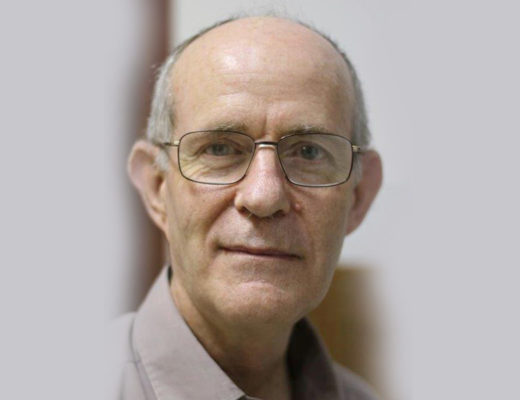
Dr David Glass graduated from UCT in 1975. He spent the next 12 years working at a mission hospital in Lesotho, where much of his work involved health education and interventions to improve health, aside from the normal busy clinical work of an under-resourced mission hospital.
He returned to UCT in 1990 to specialise in obstetrics/gynaecology and then moved to the South Coast where he had the privilege of, amongst other things, ushering 7000 babies into the world. He no longer delivers babies but is still very clinically active in gynaecology.
An old passion, preventive health care, has now replaced the obstetrics side of his work. He is eager to share insights he has gathered over the years on how to prevent and reverse so many of the modern scourges of lifestyle – obesity, diabetes, ischaemic heart disease, high blood pressure, arthritis, common cancers, etc.
He is a family man, with a supportive wife, and two grown children, and four beautiful grandchildren. His hobbies include walking, cycling, vegetable gardening, bird-watching, travelling and writing. He is active in community health outreach and deeply involved in church activities. He enjoys teaching and sharing information.
HAVE YOUR SAY
Like the South Coast Herald’s Facebook page, follow us on Twitter and Instagram
To receive our FREE email newsletter, click HERE