South Africa is renowned for its wildlife, which is a major drawcard for local and international tourism. Even our banknotes feature the ‘Big Five’ – rhinoceros, elephant, lion, leopard and buffalo.
Some might be surprised to learn that elephants were common on the South Coast and Eastern Cape until some 300 years ago, when hunters killed them all. Despite these losses, however, we still have many species of wildlife that continue to add beauty and interest to our landscape and culture, as well as providing food for many.
Local nature reserves boast various large animals, including leopard, giraffe, zebra, wildebeest and eland, as well as smaller species such as banded and water mongoose, bushbuck, reedbuck, blue and grey duiker, baboons, serval, genet, impala, samango monkeys, hyrax (dassies) and oribi. Many species of buck are still found in forested areas (usually in gorges and small sections of forest in built-up areas) and many suburbs still have vervet monkeys.
The South Coast draws many tourists on the strength of our birdlife, with over 250 bird species identified and avitourism a growing industry. We have raptors such as fish eagles, Cape vultures, yellow-billed kites, crowned eagles, owls and African woolly-necked storks, as well as a multitude of smaller birds such as kingfishers, woodpeckers, robins, loeries, orioles, bulbul and sunbirds.
Fishing is important to many locals, as well as tourists from all over, and we are blessed with a vast range of fish and marine mammals including whales, dolphins, otters, turtles, iguanas and sharks.
Just like humans, wildlife needs a clean and healthy environment to survive and thrive. We can help our wildlife by keeping our rivers and oceans clean and by looking after biodiversity on the ground. This includes leaving indigenous forests intact and planting indigenous plants in human settlements; removing alien invasive plants (AIPs) wherever we find them; and ensuring people have food security.
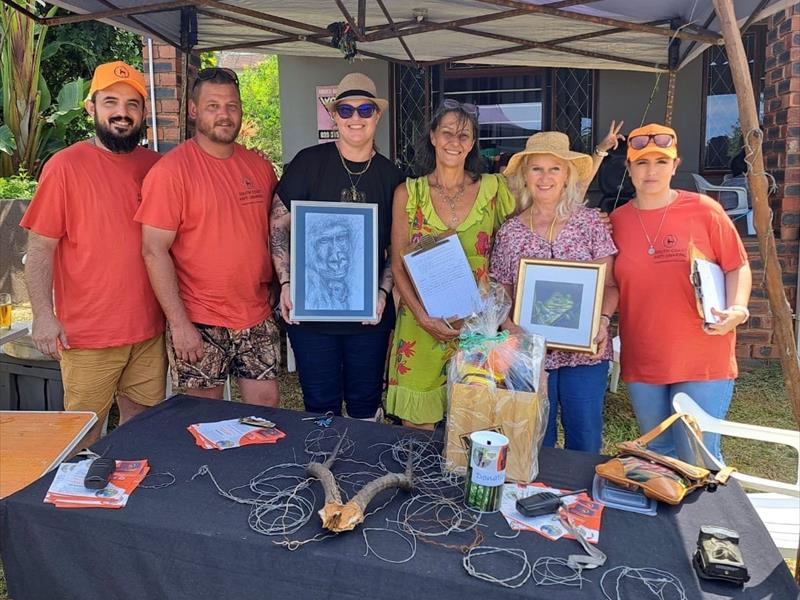
Various local organisations work to help our wildlife, including conservancies, WESSA, Ezemvelo, SANBI, wildlife rehabilitation centres and anti-snaring groups. Contact details for these organisations may be found online and they all welcome help from the public.
HAVE YOUR SAY
Like the South Coast Herald’s Facebook page, follow us on Twitter and Instagram