Opinions about what a home is and what it means vary from culture to culture, and the similarities and differences can be very interesting. Human societies have developed over aeons to ensure the survival of the group by organising access to essential resources such as water and food, shelter and safety. In fact, the word ‘culture’ is directly included in words like agriculture and horticulture – the arts of creating food for groups of people.
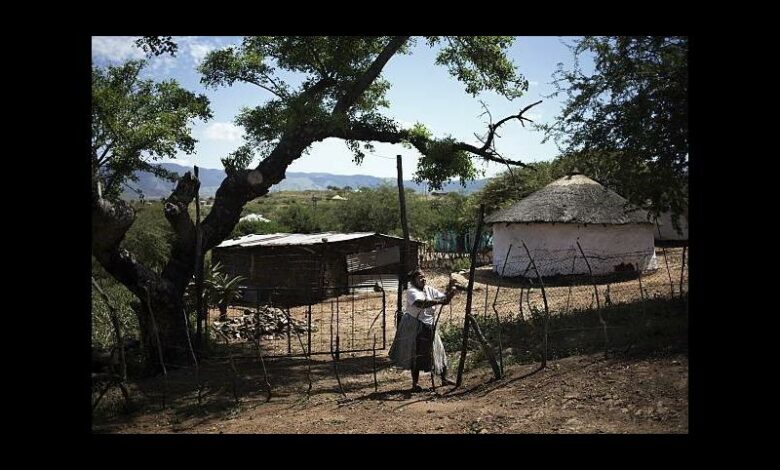
Architecture responds directly to cultural norms and evolves in keeping with changing social needs. Here in KZN, our rural Zulu communities follow architectural traditions that date back centuries, with various ‘modern’ tweaks that have developed in response to changing material options and local pressures.
For example, many rural people have replaced traditional thatch roofing with metal sheeting, owing to fire risks, and many use cement bricks, gutters and municipal piped water for convenience. These days, most rural homes have electricity.
Despite these changes, Zulu homesteads retain many traditional elements, which relate directly to social structures and norms.
Unlike a suburban family home, which usually houses a nuclear family and possibly a few grandparents or grandchildren, most Zulu homesteads also house a number of extended family members, such as cousins, aunties and uncles, as well as unmarried women and their children. A Zulu homestead typically consists of several buildings in one yard. There is always at least one rondavel, which is used for religious ceremonies and often also serves as a kitchen.
Young children stay with the women, and young men have their own houses (often two-roomed buildings). There’s always room for visitors and often a room with spare bedding for guests. Bathrooms are a communal and simple affair, usually consisting of a toilet (pit latrine) outside and a washing room (with hot water and wash basins) inside. Few people have showers. Dogs, chickens, goats, cattle and even donkeys are everywhere to be found, and every homestead has a food garden.
We are blessed to have so many neighbours who still enjoy the warmth and support of extended family and the luxury of living in big open spaces with clean air, bright skies and quiet nights. And, for those of us who need a break from the high walls and traffic, day trips, hiking trails, and rural homestays offer a wonderful, affordable way to make the most of our natural and cultural heritage.
HAVE YOUR SAY
Like the South Coast Herald’s Facebook page, follow us on Twitter and Instagram