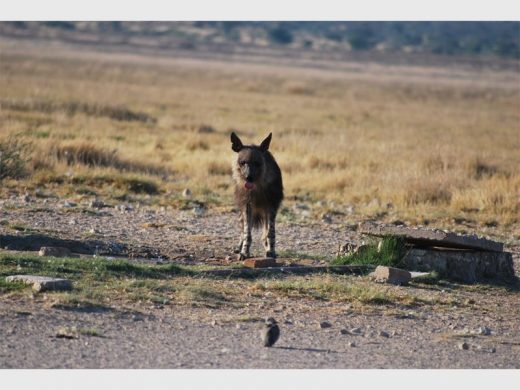
Brown hyena facts and figures
These solitary creatures are more sociable than they seem.
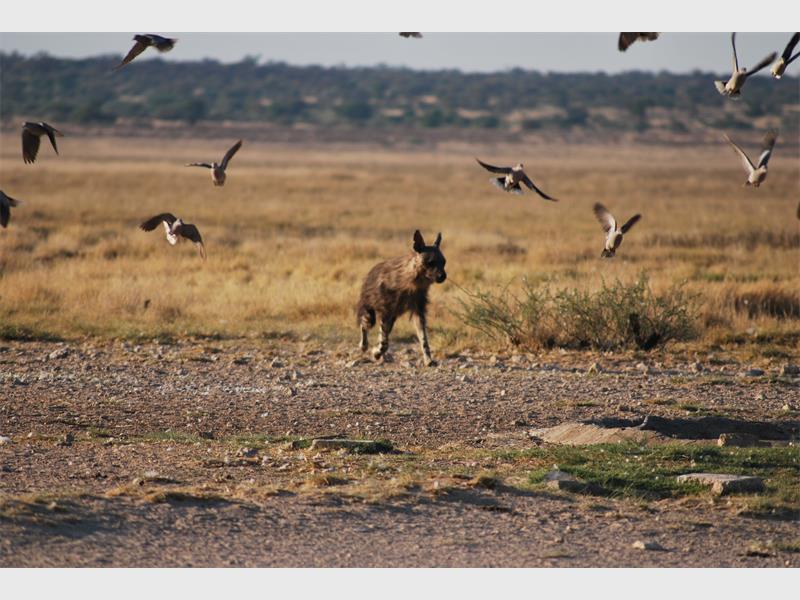
IN their fact-filled and fantastically interesting old guide to the ‘Kalahari Gemsbok National Park’, environmental scientist Gus Mills and Clem Haagner, have a very descriptive name for the lesser seen brown hyena.
YOU MIGHT ALSO BE INTERESTED IN: Hyena Day
This interesting loner is described as a ‘solitary opportunist’.
Here are some more brown hyena facts gleaned from their book:
* Some people, including the authors think of the brown hyena as a handsome creature. He has a long, dark cloak, white collars and pointed ears.
* They are smaller than their more commonly seen spotted hyena cousins weighing in at around 40kg,
* The arid Kalahari and what was the Kalahari Gemsbok National Park is the ideal habitat for these drylands dwellers. The Kalahari Gemsbok has now become part of the Kgalagadi Transfrontier Park and is also home to many of these fascinating scavengers.
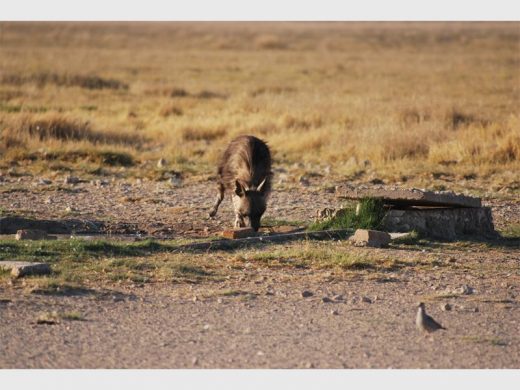
*The best times to look for these shy, elusive animals are dawn and dusk.
*Brown Hyenas forage alone, covering between 32km and 60km each night.
*They are predominantly scavengers, although they do hunt occasionally.
*They are not as unsociable as they appear to be. Several brown hyenas can be found in one hyena’s territory.
*Unlike their noisy, very vocal spotted cousins, they are usually silent, although they can growl quite loudly and will squeal during neighbourhood territorial disputes.