
Celebrating the first African woman ordained in Methodist Church of Southern Africa
Reverend Nikiwe Mbilini's journey to ordination was shaped by the triple struggle of race, class, and gender.
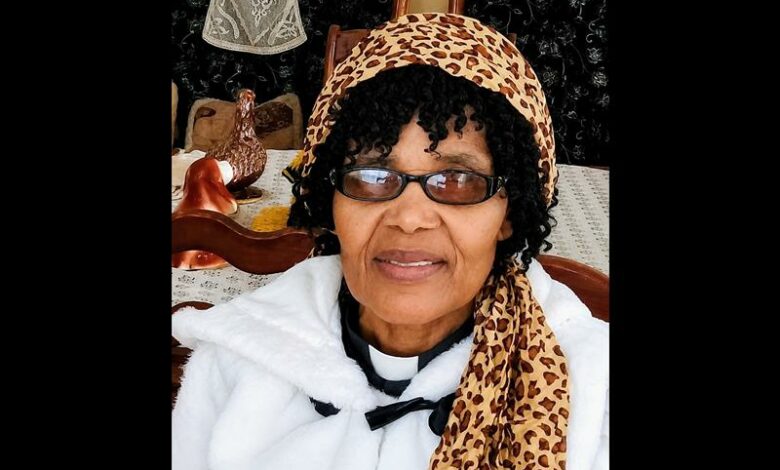
The year 2026 marks the 50th anniversary of women’s ordination in the Methodist Church of Southern Africa (MCSA).
The presiding bishop, Reverend Pumla Nzimande, called for ‘a celebration of the impact of women clergy in society and the church.
And so it’s relevant to honour Reverend Nikiwe Mbilini, the first African woman ordained in the MCSA, who served in the Harding and Port Shepstone Circuit from 1980 to 1993.
Mbilini was born on February 12, 1952, in Cofimvaba.
When her father first held her, he said, ‘inkulu into enikwe lo mntwana’, which means ‘this child has been given a sacred gift and a significant responsibility’ and named her Nikiwe.
Mbilini attended Clarkebury Institution, Nelson Mandela’s alma mater.
Her spiritual growth was shaped by Rev Gladstone Mnonopi, the chaplain. Through his sermons, she committed her life to Jesus Christ and was confirmed at 16 years old.
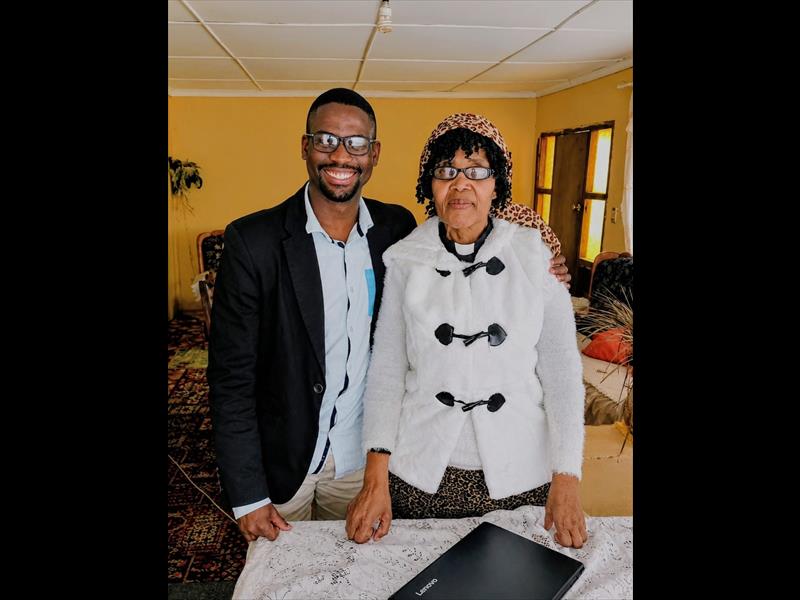
At Clarkebury, Mbilini served as president of the Students’ Christian Movement.
In 1972, she expressed her intention to be ordained as a presbyter but was told that such a vocation was not open to women.
Facing institutional and gender barriers, Mbilini joined the Deaconess Order in 1973 and served at Faku Institution (1974) and at Edendale Circuit (1975).
From 1976 to 1978, Mbilini was sent to the Federal Theological Seminary of Southern Africa, where she was the first and only Methodist woman.
In 1979, she became the first African woman to be ordained a deaconess in the MCSA, paving the way for other African women.
In 1980, Mbilini entered the ministry of the word and the sacraments and was sent to Harding and Port Shepstone Circuit for probation.
The community, welcoming the first African woman minister, named her Inkosazana yamaWeseli (the Wesleyan princess).
She was ordained in 1985, becoming the first African woman presbyter in the MCSA.
Mbilini’s ministry in Harding coincided with political violence between Inkatha and the ANC, and ethnic conflicts, as Harding was situated at the border of the then Natal and Transkei, home to the Mpondo, Bhaca, and Zulu peoples.
Mbilini accompanied victims and led peace talks among traditional leaders, Inkatha, and the ANC, promoting dialogue to end the conflicts.
Among her achievements in Harding was safeguarding the church from division during the Transkei Methodist schism.
Mbilini refused to leave the MCSA, and Harding remains one of the few towns where Methodism has not fragmented.
Her journey to ordination as an African woman was shaped by the triple struggle of race, class, and gender.
She had to prove herself as a black woman for the white-led, British-originated church to ordain her.
Mbilini’s resilience paved the way for other African women.
Today, the MCSA is led by an African woman, with seven female bishops and 35 female superintendents.
(Article by Rev Ntobeko Dlamini)
HAVE YOUR SAY
Like the South Coast Herald’s Facebook page, follow us on Twitter and Instagram


