What to pack: Handy holiday tips to keep in mind while travelling
Travelling may be fun for the most part, but doing it responsibly can take practice and careful preparation. Hopefully, with this detailed guide, it’ll be easier for you and your family this year.
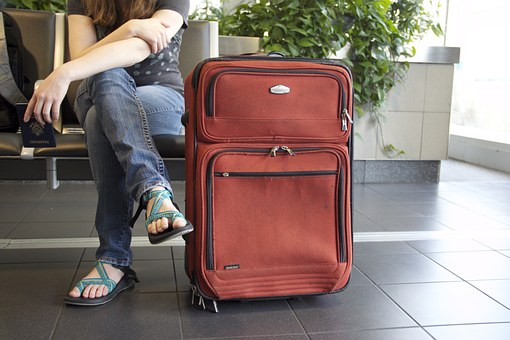
December is finally here. And for most South Africans, that means sandals, sunglasses, and going on a much-needed holiday. But just because you’re taking a break from the stresses of everyday life, it doesn’t mean you should forget about your family’s wellbeing. After all, the new year is just around the corner and you should all start it with a spring in your step.
YOU MIGHT ALSO BE INTERESTED IN: Useful apps you need for travelling and holidays
How do you manage your self-care while travelling? Read this handy guide, issued by Bespoke Communications on behalf of the The Self-Medication Manufacturers Association of South Africa:
PREPARE FOR ANYTHING
Lauren Mack of cheapflights.com recommends leaving emergency contact info and a copy of your itinerary with friends or family. If you’re travelling abroad, make sure you share copies of your passports too. She adds that it’s also advisable to:
- Find out where the closest hospital / police station / South African embassy is to your destination, and save the contact details in your phone.
- Carry contact details of your family (on your person and penciled into your passport / ID), should they need to be reached in an emergency.
- If you have allergies or a medical condition, consider wearing a medical alert bracelet and carrying a letter from your doctor that explains your required treatment.
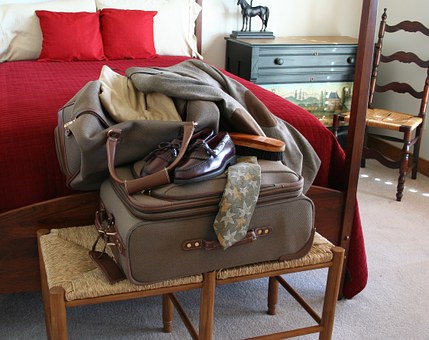
PACKING ESSENTIALS
There’s nothing like being caught with a sudden illness at midnight in the middle of nowhere, with no medicine on hand to treat it. So take a medical kit with you.
Brooke Schoenman from herpackinglist.com says that what you pack in your medical kit depends on your individual needs. If you suffer from sinusitis, for instance, it’s a good idea to pack in your sinus meds. You should also customise what you pack based on where you’re going. Remote areas, for instance, will offer limited options in an emergency. Some of Schoenman’s essentials include:
The basics
- Painkillers
- Stomach medication
- Plasters
- Multivitamins
Extras
- Anti-diarrhoea medication
- Anti-itch cream for bug bites
- Antibacterial gel
- Wound cleaning wash or wipes
- Decongestants
- Oral rehydration salts
- Blister strips
- Cold / flu meds
- Tweezers
- Little scissors
- Safety pins
Becky Krystal, a writer at The Washington Post, also recommends packing:
- Fever medication (especially if travelling with children)
- Antihistamines
- Prescription medicines
- Bandages
- A digital thermometer
- Hand sanitiser (at least 60% alcohol)
- Facial tissues
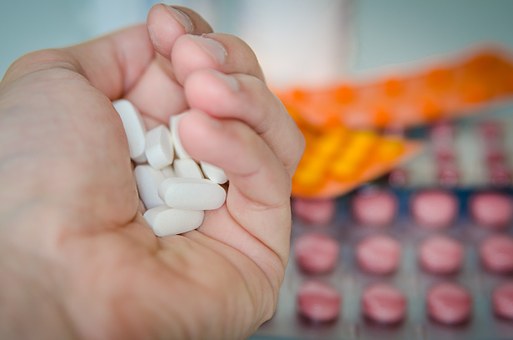
Other tips she recommends include:
- Choosing tablets rather than gels, liquids, or creams – they’re less likely to mess and have fewer regulations when flying
- Opting for flat sachets rather than bottles or tubes
- Taking sample-sized portions
- Flattening medicine boxes
TAKING MEDICINE ABROAD
Travelling with medicine in SA is one thing, but what if you’re going on an international flight? This gets a lot more complicated; not just because of restrictions on what you can take, but because some medicines (even over-the-counter ones) are illegal in other countries.
Plan around this by conducting research on the country you’re going to. Mack says that Japan, for instance, has some complex medicinal restrictions. When it comes to your prescription meds, she recommends that you take a copy of your prescription with you too.
FLYING WITH MEDICINE
When flying internationally, it’s important to know the flight regulations. Melissa Conrad Stöppler, an MD at medicinenet.com, says that both prescription and non-prescription medicines are allowed in your carry-on luggage; this is particularly important in the event of your checked-in bags getting lost or delayed en route.
Stöppler also recommends keeping each medicine in its original labelled container, ensuring that the name on the bottle matches the name on your ticket, and keeping all medicines in one bag for easy screening.
According to the Airports Company South Africa, global safety rules also stipulate that any medicine that’s a liquid, aerosol, or gel must be carried in a container with a maximum capacity of 100ml each.
YOU MIGHT ALSO BE INTERESTED IN: How to prepare for travelling long distance with a toddler
TRAVELLING WITH CHILDREN
Travelling with children can be a handful. But there are some useful ways to keep children happy, healthy, and safe. For instance, Rough Guides recommends allowing yourselves plenty of time when in transit, investing in a child locator (there are watches that do this), and writing your contact details in permanent marker on your child’s arm.
Lauren Barbagallo of parents.com adds that you can save your sanity when flying with kids by:
- Using pull-ups on young children, even if they’re potty trained
- Seating children away from the aisle to avoid mishaps with the refreshment trolley
- Regularly wiping hands and surfaces with wet wipes
- Preparing for changes in air pressure with dummies, drinks, and food
- Carrying low-sugar snacks, like cheese, nuts, and pretzels
HAVE YOUR SAY
Like the South Coast Herald’s Facebook page, follow us on Twitter and Instagram
For news straight to your phone, add us on BBM 58F3D7A7 or WhatsApp 082 421 6033