EntertainmentLifestyle
4 Mouldy foods it’s probably safe to eat – and 8 you should rather throw away
If there's too much month left at the end of your money, you may be tempted to eat things you would usually toss in the bin.
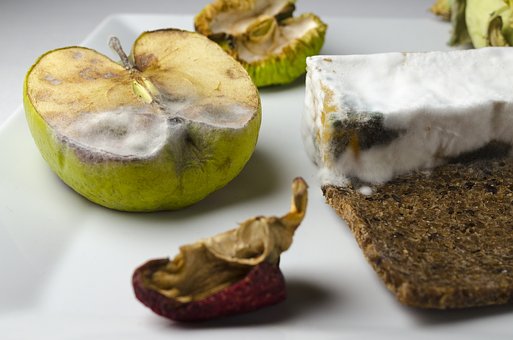
It’s almost halfway through January which, as we all know, feels at least three months long as the early December payday is but a distant memory.
This means you, like us, are probably trying to make the most of what little is left lurking in the back of the grocery cupboard or in the darkest depths of the fridge.
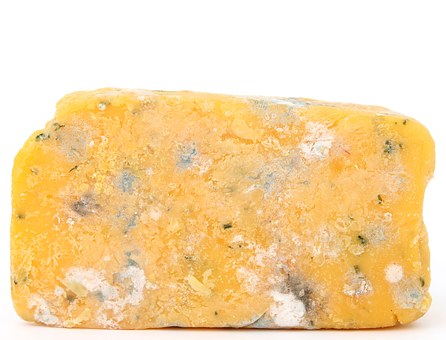
You unearth something that looks vaguely edible, but it’s speckled with mould – so how do you know if it’s safe to eat?
According to our sister Caxton website, South Coast Sun. actively growing mould can release toxins into food. Bacteria which can’t be seen, may be growing alongside the mould and, since mould grows more slowly than bacteria, it may take several days, or even weeks, for the mould to become visible.
These foods should best be thrown out if they are mouldy:
- Cold meats, bacon, and vienna sausages.
- Yoghurt, sour cream and soft cheese.
- Soft fruits and vegetables
- Bread and baked goods.
- Peanut butter, nuts and legumes.
- Jams and jellies.
- Cooked pasta and rice
- Leftover cooked meat and casseroles.
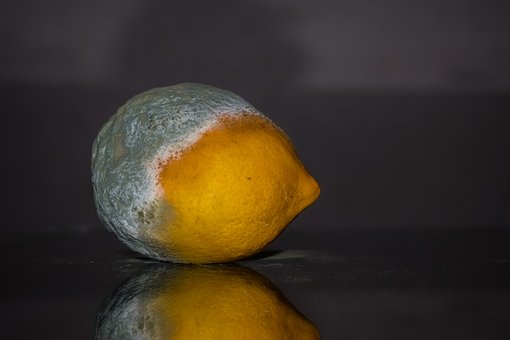
If you are desperate, these foods will probably be safe to eat if you carefully remove all visible mould:
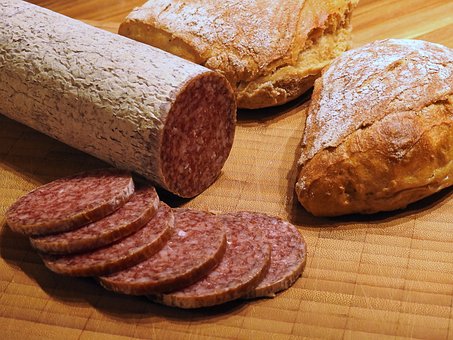
- Hard salami (the dry, aged type).
- Hard cheese – cut off at least 2.5 centimetres around and below the mould.
- Hard cheese made with mould.
- Firm fruit and veg.
Sources: