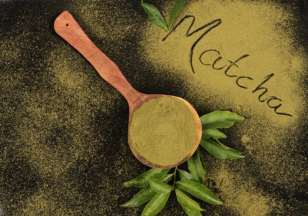
We’re living in what can only be called a coffee renaissance. But, what if coffee doesn’t strike your fancy? Then choose Matcha. Matcha is an organic green tea powder prepared from a high quality shade-grown leaf known as Tencha. Camellia Sinensis, the scientific name for Matcha powder, has been the heart of traditional Japanese tea ceremonies.
ALSO READ: The origins of ‘International Tea Day’
Matcha has become the favourite of tea connoisseurs, foodies and health junkies alike. New food products have emerged onto the market following the massive Matcha trend. The cultivation of Matcha green tea is said to have begun sometime in the Japanese Tang Dynasty between the 7th and 10th century.
The method of manufacturing powdered tea from steam dried tea leaves and preparing the beverage by whisking the tea powder and hot water together in a bowl became popular in the latter part of the 12th century. Nowadays, Matcha is made by removing the
stems and veins from the plant and stone grinding the rest of the leaf to make a powder. Matcha is a concentrated form of green tea; it has been presumed that the benefits of this tea would be greater than ordinary green tea.
Drink your tea slowly, as if it the axis on which the whole earth revolves slowly,
evenly,without rushing toward the future. Live in the actual moment.
Only this moment is life, – Zen Buddhist monk.
L-theanine is an amino acid present in tea. It may promote a state of relaxation and well-being. Combined with caffeine, it can induce a state of relaxed alertness. Without caffeine, it could improve performance, attention, memory, focus and alertness. Green tea contains a class of antioxidants known as Catechin.
Catechin epigallocatechi has anti-tumor properties. Antioxidants are vital to the human body as they are the body’s defense mechanism. They are chemical compounds that prevent aging and chronic diseases. The more antioxidants you have, the better equipped your body is in the fight against infections and disease.
Chlorophyll is what gives plants their green color. Studies have linked higher chlorophyll consumption with lower rates of aflatoxin which is associated with liver disease. Matcha boasts a bright, emerald green color due to its high chlorophyll content. In addition, Matcha may assist to lower cholesterol and blood pressure, enhance mood and cognitive function,increase energy, promote weight-loss and keep blood sugar levels in check.
It also delivers nutritional benefits such as boosts the metabolism and burns kilojoules,fibre-dense, supplies Vitamin C, selenium, zinc and magnesium. Although Matcha is generally considered safe when consumed in small amounts, it is important not to go
overboard.
Due to its relatively high caffeine content, Matcha may trigger certain side effects like irritability, headache, insomnia, diarrhea,
allergic reactions and heartburn when taken excessively. Some culinary uses of green Matcha powder include lattes, smoothies, granola bars, salad dressings and desserts. Due to its earthy flavor, Matcha also compliments savoury dishes and is great infused in gnocchi, soufflés and brioche.
Did you know?
* The word ‘Matcha’ literally means ‘powder tea’.
* Matcha has 70 times more antioxidants than orange juice.
* It contains 9 times more beta carotene than spinach.
* Matcha is more expensive than ordinary green tea because of its strict growing process. It costs roughly R3 000 per kilogram.
* Gargling with Matcha can help combat oral hygiene issues.
HAVE YOUR SAY
Like the South Coast Herald’s Facebook page, follow us on Twitter and Instagram
For news straight to your phone, add us on WhatsApp 082 421 6033