July 3: On This Day in World History … briefly
Interesting historic snippets and facts taken from the book ‘On This Day’ first published in 1992 by Octopus Publishing Group Ltd, London.
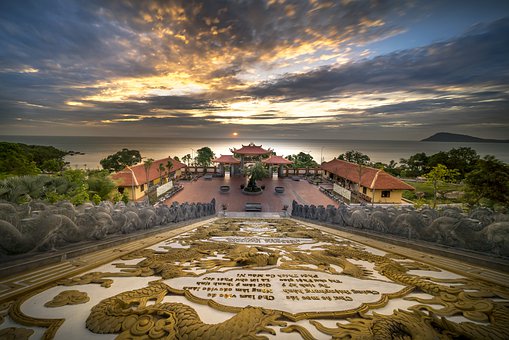
323AD: Constantine I, Roman emperor in the West, defeats Licinius, the Eastern emperor, near Adrianople.
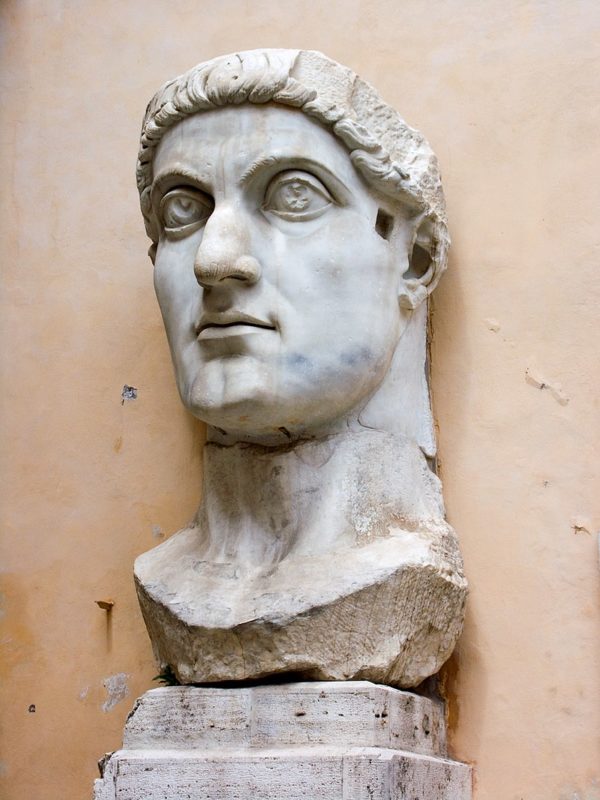
1608: Champlain founds city of Quebec
French explorer Samuel de Champlain founds and names the city of Quebec, which lies on the St Lawrence River in Canada. In fact the city is an Iroquois village called Stadacona. Champlain made two previous expeditions to Canada, a preliminary expedition in 1603 and then an exploration of the coasts from 1604 to 1607. Champlain enjoyed friendly and trusting relationships with the Algonquins and Hurons, and was not afraid to commit himself to long expeditions with his Indian guides. As a result, he was able to obtain information regarding the existence of three Great Lakes, a very large bay to the north as yet unexplored, and another ‘South Sea’ which was the Spanish name given to the Pacific Ocean. His understanding of the general shape of eastern North America was extraordinary.
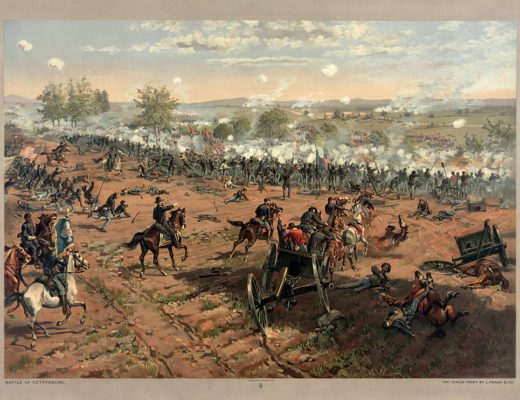
1863: Confederates routed at Gettysburg
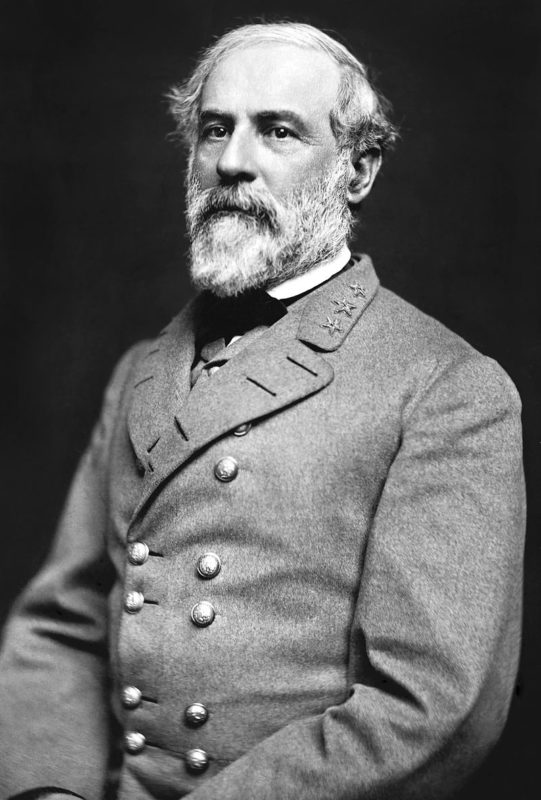
With more than 51 000 dead and wounded, the Battle of Gettysburg was over and the Confederate Army routed. Superior numbers and strong defensive positions helped General George Meade’s Union Army to defeat General Robert E Lee just outside the market town of Gettysburg, Pennsylvania. It was estimated that General Lee lost more than a third of his force of 70 000 men during the three days of conflict which began on July 1.
1898: Captain Joshua Slocum sails into Newport, Rhode Island, in his boat ‘Spray’, becoming the first solo round-world sailor.
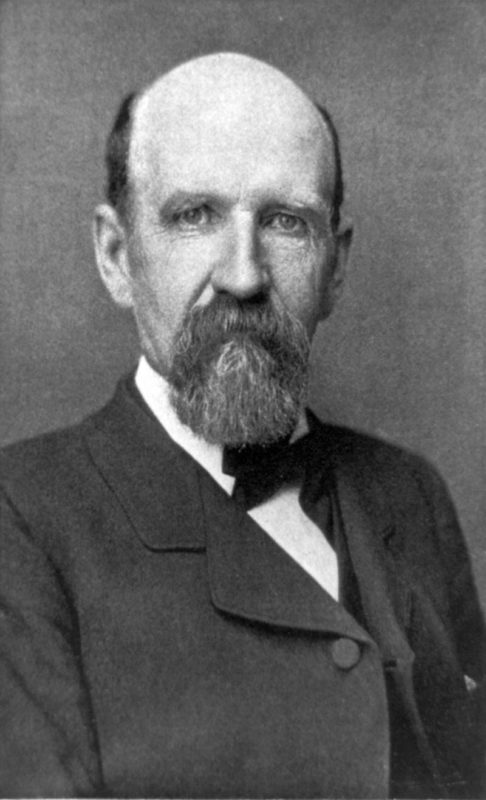
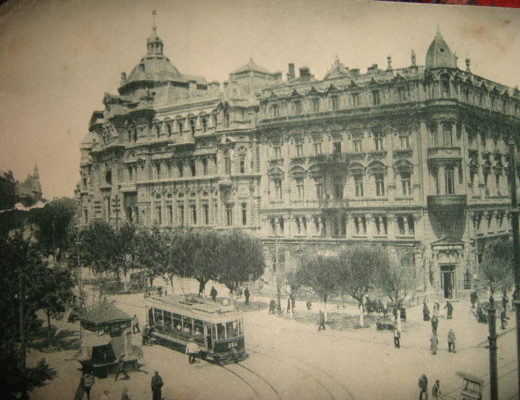
1905: In Odessa, Russian troops kill over 6 000 to restore order during a strike.
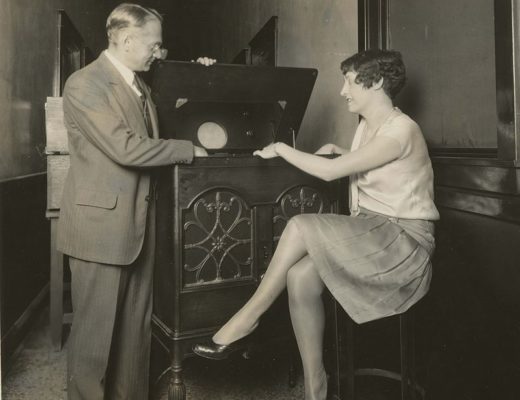
1928: The first commercial television set goes on sale in the US at $75 (£40).
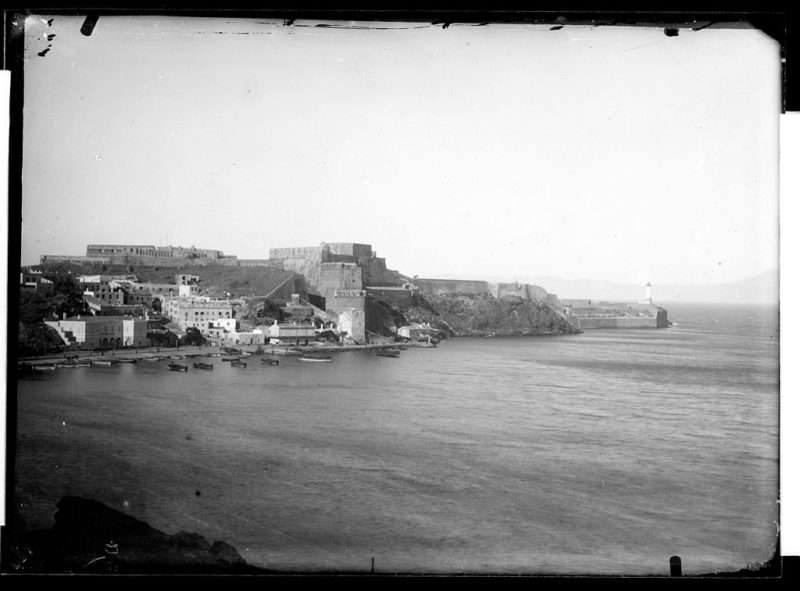
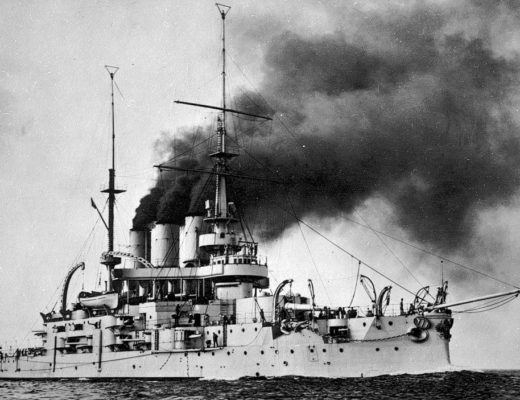
1940: Over 1 000 French sailors die when the French fleet in Mirs-el-Kebir, Algeria, is destroyed at the order of Winston Churchill.
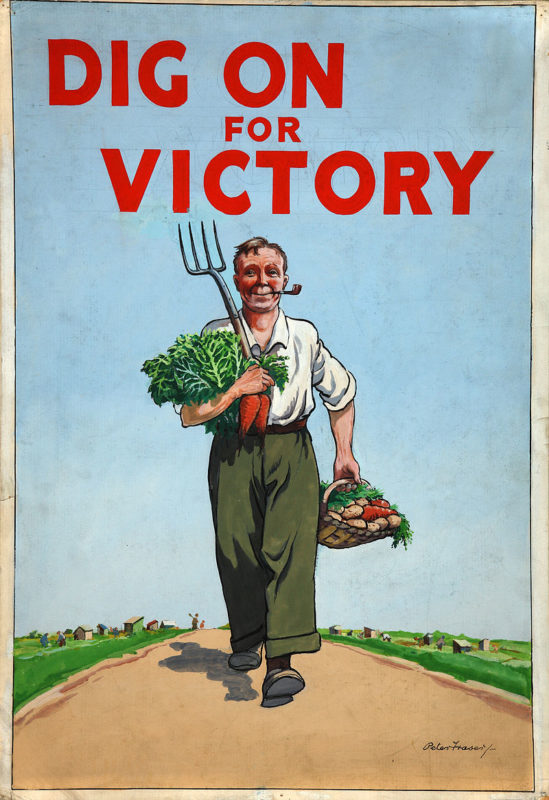
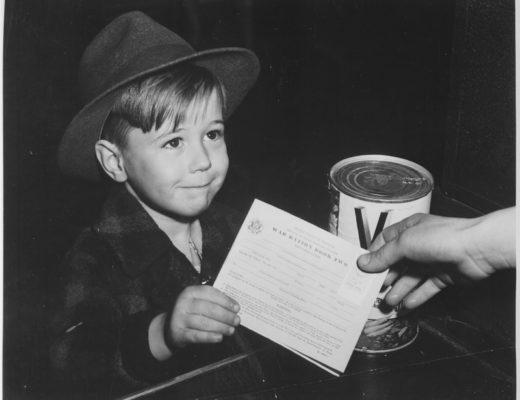
1954: All goods finally come off ration in the UK as post-war shortages ends.
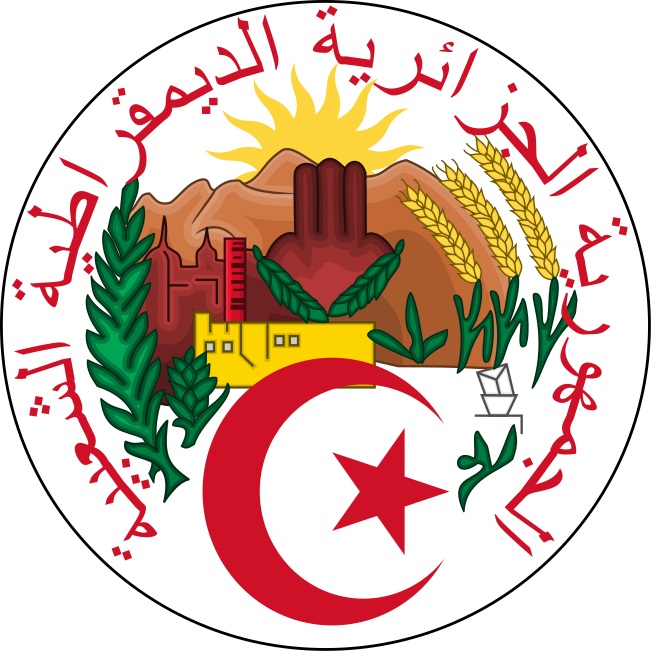
1962: French property in Algeria is taken over as the country gains independence.
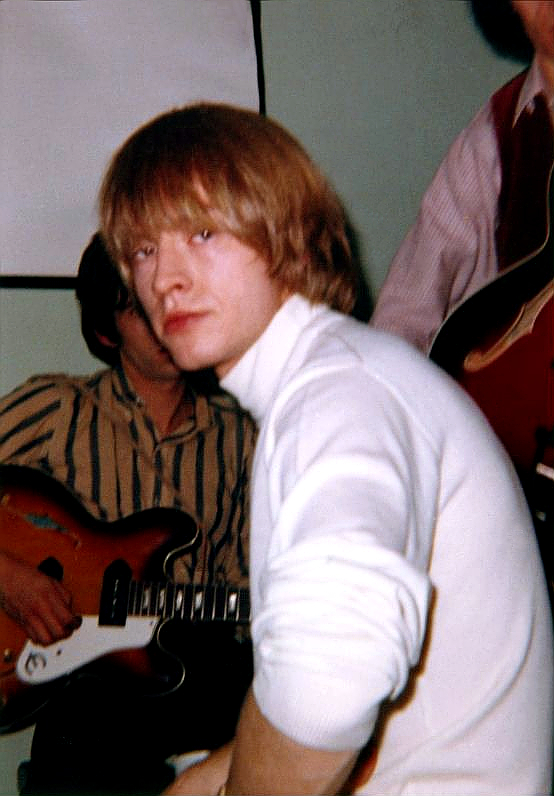
1969: Rolling Stone Brian Jones is found drowned in a swimming pool.
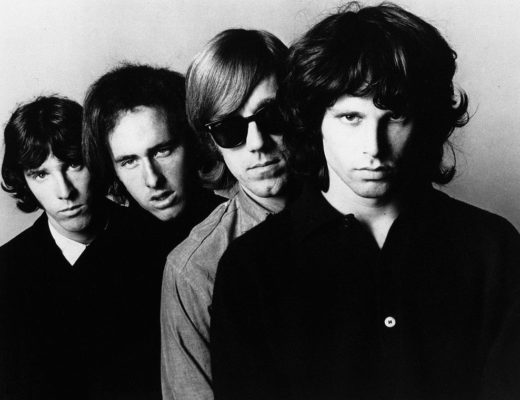
1971: Jim Morrison, lead singer of ‘The Doors’ dies of a heart attack in Paris.
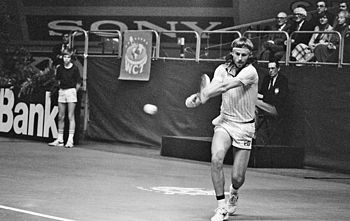
1976: Swede becomes youngest Wimbledon champion
Twenty-year old Swedish tennis player Bjorn Borg becomes the youngest-ever men’s singles winner at Wimbledon, defeating Ilie Nastase of Romania 6-4, 6-2, 9-7. A talented all-round sportsman, Borg showed early promise at tennis and at 11 won his first tournament. He had been in Sweden’s Davis Cup team since the age of 15. His superb athleticism and sportsmanlike temperament helped him win the Wimbledon Junior Championship at 18.
1987: Butcher of Lyons gets life
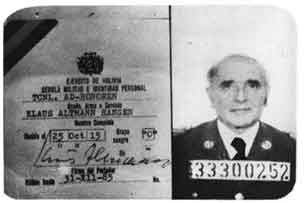
Klaus Barbie, Nazi SS commander in Lyons during WWII, was convicted amidst cheering and clapping in court, of crimes against humanity. The 73-year old listened to the verdict from his bullet-proof dock in silence. He had been living in Bolivia since 1951, enjoying the protection of various military regimes until he was turned over to the French authorities in 1983. Barbie was responsible for the deportation of Jews from the Netherlands in 1940. In 1942 he transferred to France as SS commander in Lyons where he tracked down resistance workers and Jews, including rounding up Jewish children from an orphanage at Iziev. He was also notorious for torturing resistance leader Jean Moulin, earning himself the name of ‘Butcher of Lyons’. He escaped capture at the end of the war and was employed by US intelligence in Germany until moving to Bolivia in 1951.
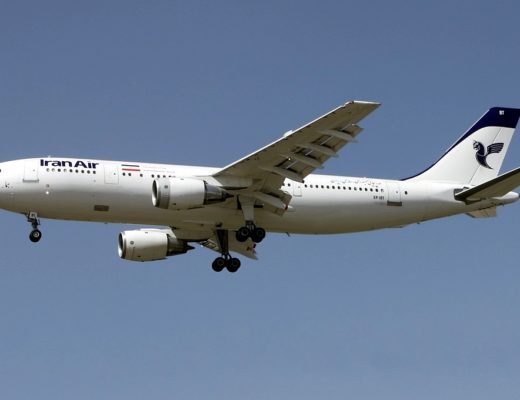
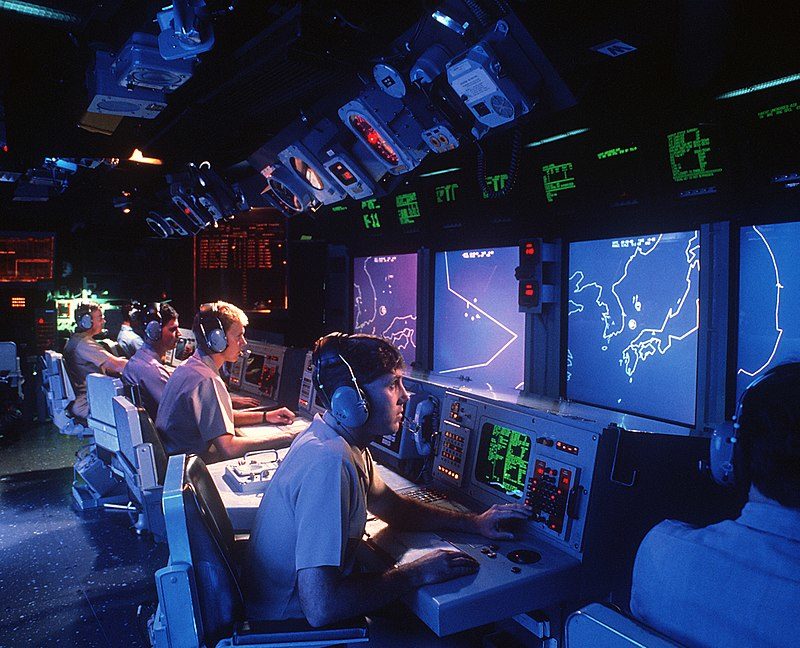
1988: The USS Vincennes, based in the Gulf during the Iran-Iraq war, shoots down an Iranian airliner with 286 people on board in the mistaken belief that it is a bomber.
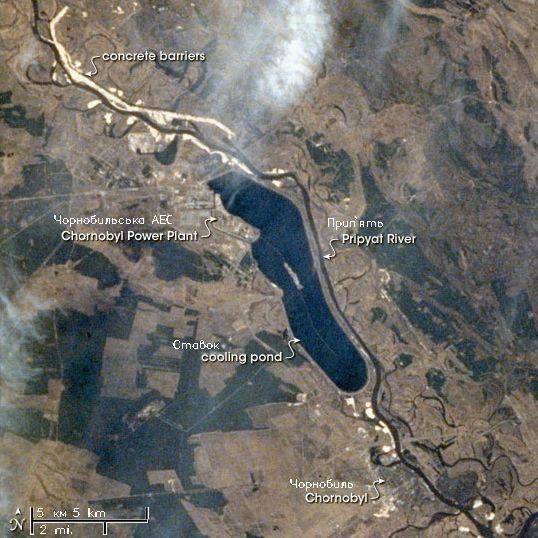
1990: Hero of Chernobyl dies
Anatoli Grishchenko, the Russian who braved radioactive fallout at the heart of Chernobyl to save the world from an even worse catastrophe, dies of leukaemia in an American hospital. Grishchenko flew a helicopter over the damaged reactor and dropped loads of sand and concrete needed to seal the plant and prevent meltdown. The disaster occurred in April 1986 when fire broke out at the reactor causing the worst-ever nuclear accident to-date. There was widespread concern in Europe about the contamination of livestock and the long-term effects of widespread radiation (linked with cancer) on humans.
HAVE YOUR SAY
Like our Facebook page, follow us on Twitter and Instagram
For news straight to your phone, add us on BBM 58F3D7A7 or WhatsApp 082 421 6033