July 4: On This Day in World History … briefly
Interesting historic snippets and facts taken from the book ‘On This Day’ first published in 1992 by Octopus Publishing Group Ltd, London.
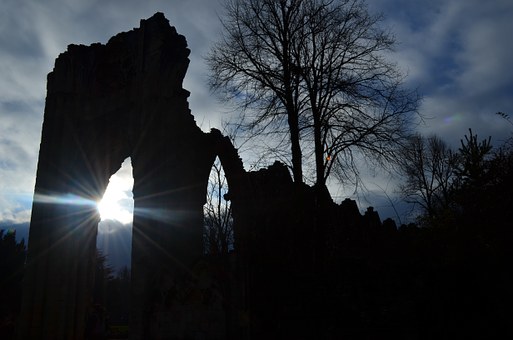
1712: Nine whites killed in slave uprising
The New York Slave Revolt of 1712 was an uprising in New York City, in the British Province of New York, of 23 enslaved Africans. They killed nine whites and injured another six before they were stopped. More than three times that number of blacks, 70, were arrested and jailed. Of these, 27 were put on trial, and 21 convicted and executed.
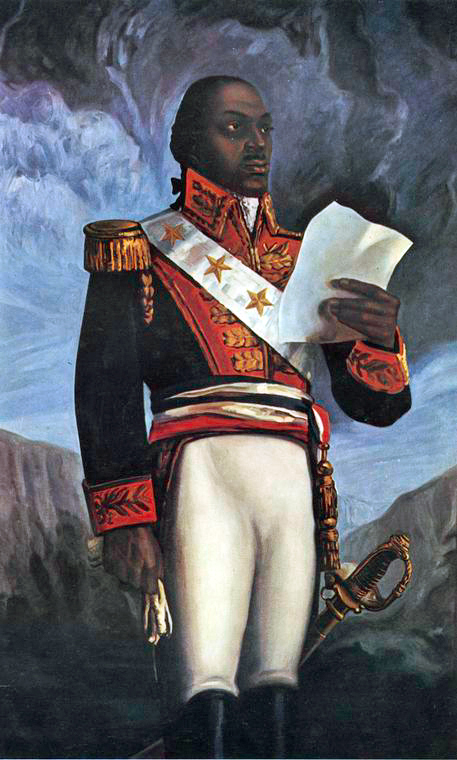
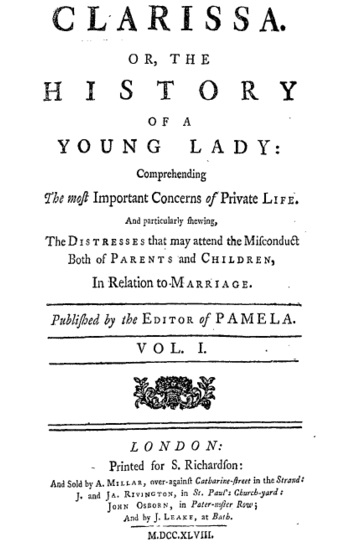
1761: Death of Samuel Richardson, British writer whose novel ‘Clarissa’ ran to seven volumes.
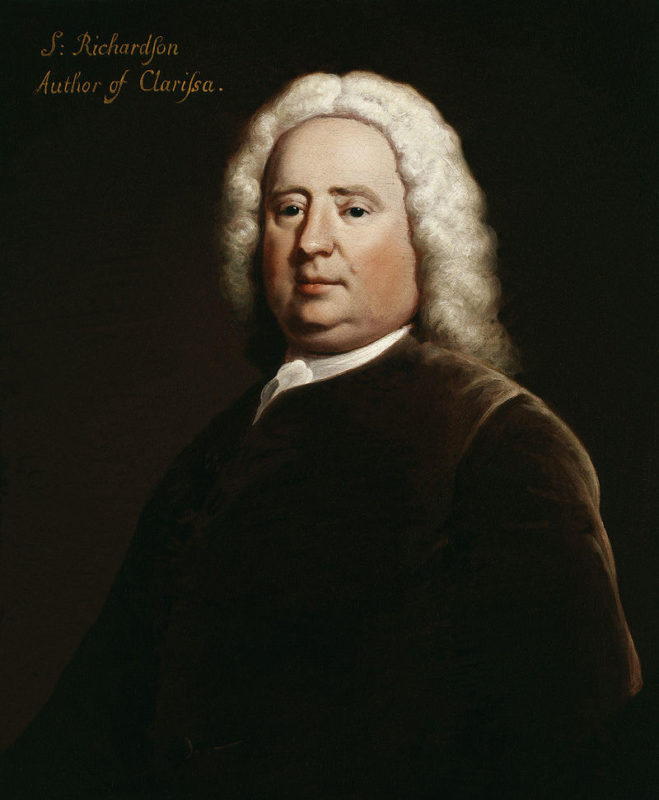
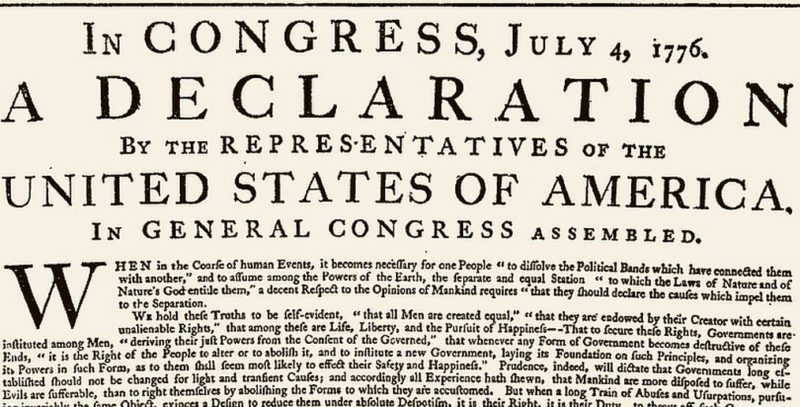
1776: Congress accepts Declaration of Independence
In an historic session, the Continental Congress accepted, with minor amendments, the Declaration of Independence written by Thomas Jefferson under the instructions of a five-member committee. Although Congress voted on July 2 to declare independence, the declaration passed formally severed American links with Britain.
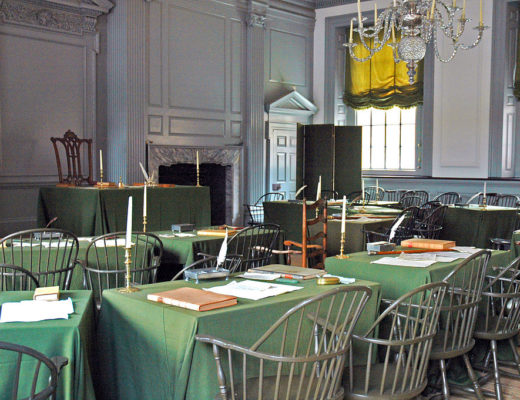
1826: Founding fathers die
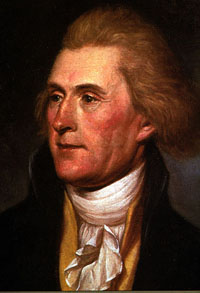
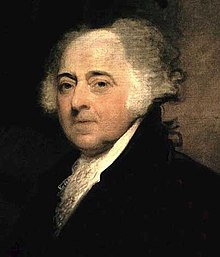
America lost two of its founding members as Thomas Jefferson and John Adams died on the anniversary of the acceptance by Congress of their historic Declaration of Independence. Both men were part of the five-member committee which drafted the original declaration.
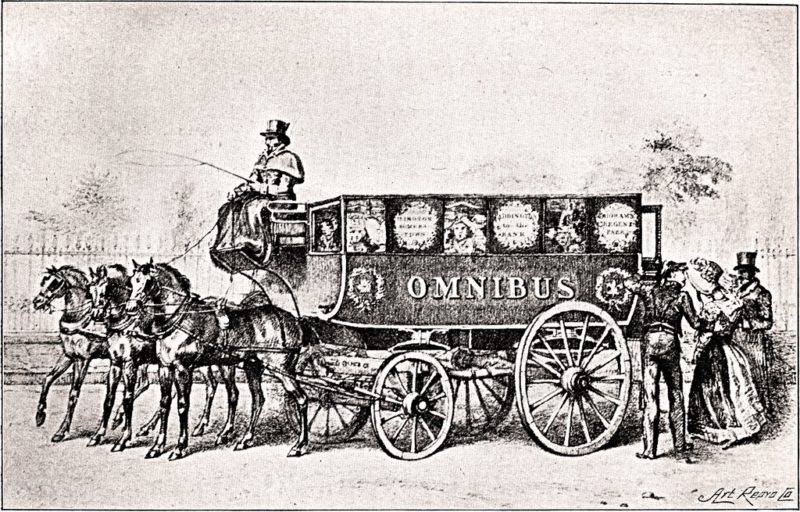
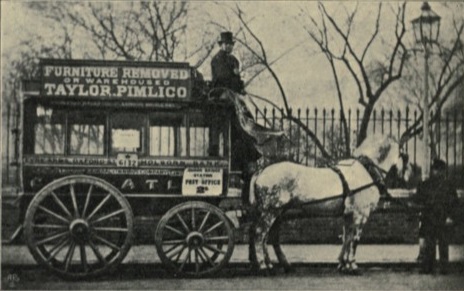
1829: The first horse-drawn buses go into action in London.
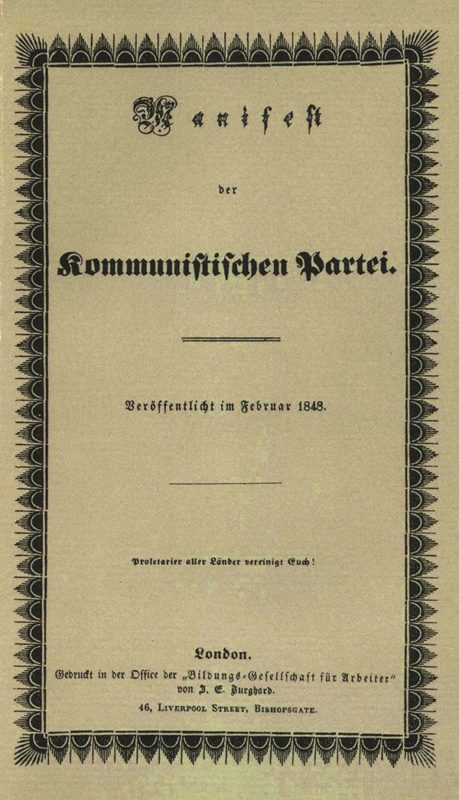
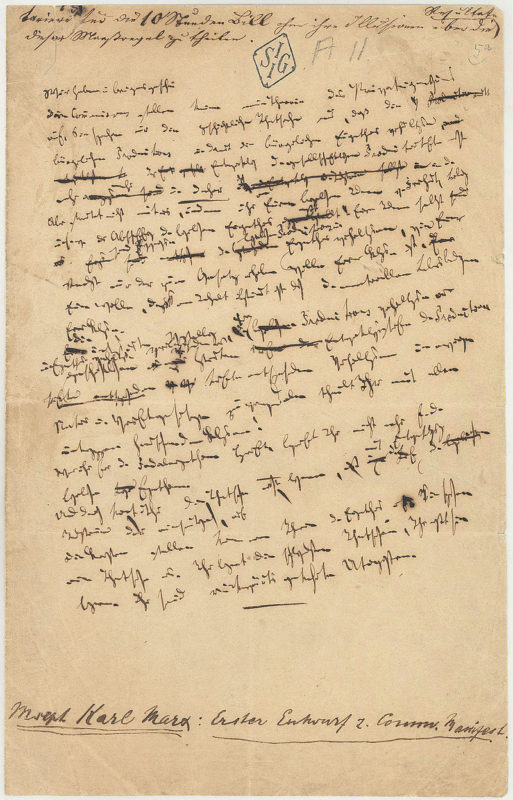
1848: The Communist Manifesto is published.
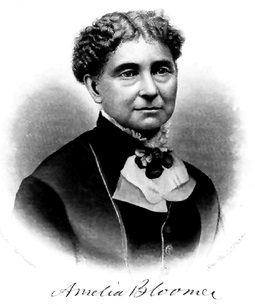
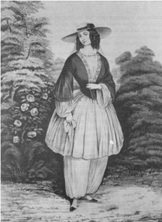
1853: Suffragette appears in trousers
Controversial and outspoken suffragette Amelia Jenks Bloomer shocked her audience in Connecticut by appearing in trousers while she delivered a speech denouncing the requirement that women should cover their legs. Mrs Bloomer had been appearing in this attire – a knee-length skirt combined with loose trousers bound in at the ankles and dubbed ‘bloomers’ – since 1849 as a form of protest. The issues of women’s rights in general and the issue of dress reform in particular were ones that Mrs Bloomer held dear. She was the publisher of a reforming magazine entitled ‘The Lily’ and had shared a lecture platform with Susan B Anthony, the well-known campaigner for women’s suffrage, in New York.
1881: Billy the Kid shot dead
Notorious outlaw William H Bonney, better known as ‘Billy the Kid’, was shot dead by lawman Pat Garrett as he tried to escape custody. Bonney, aged 22, was under sentence of death for the murder of a sheriff, but escaped while in custody, killing two guards in his bid for freedom. He was recaptured and shot while trying to escape again. A native of New York, Bonney was reputed to have killed his first man before reaching his teens, becoming a legend in his own time with his daring hold-ups and robberies in the south-western states.


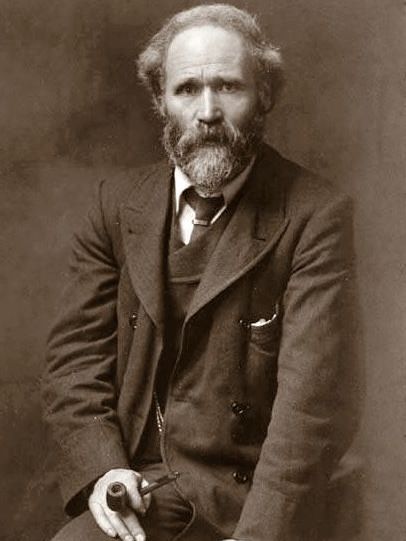
- In the British general election, James Keir Hardie wins the Holytoun constituency in Lanarkshire, Scotland, to become the first socialist MP in the House of Commons.
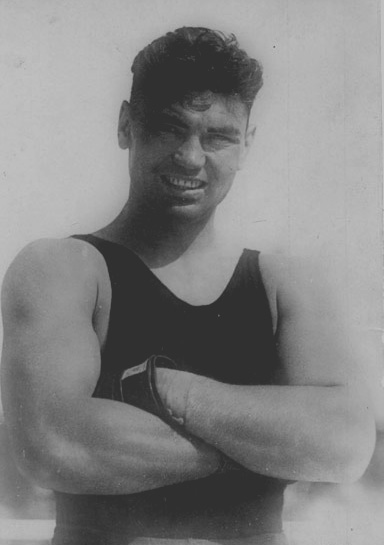
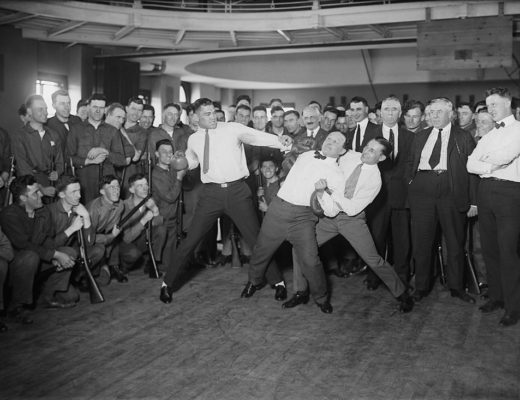
1919: Dempsey is new heavyweight champion
Boxing history is made when Jack Dempsey beats Jess Willard in three rounds to win the World Heavyweight title. In front of a record crowd of 40 000 in Toledo, Ohio, Dempsey took control of the match, knocking Willard down seven times in the first round alone; after three rounds the fight was stopped.
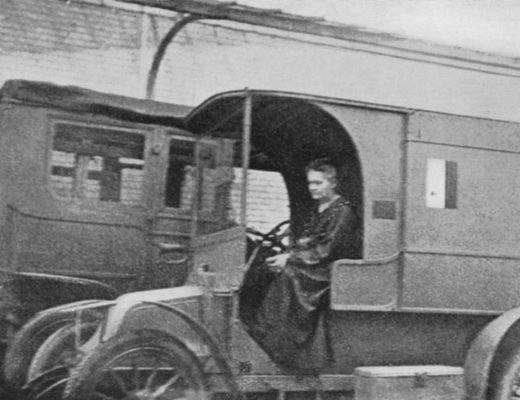
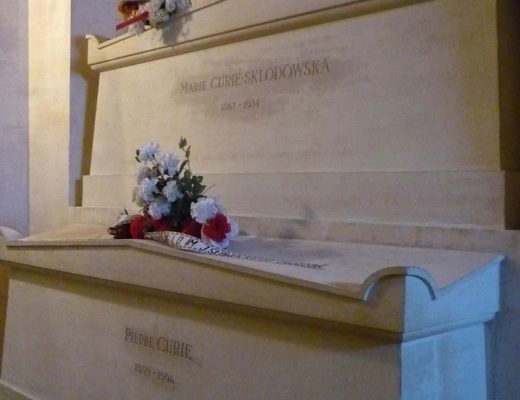
1934: Death of Marie Curie, the Polish-born scientist who discovered radium and won two Nobel Prizes, for Physics in 1903, and for Chemistry in 1911.
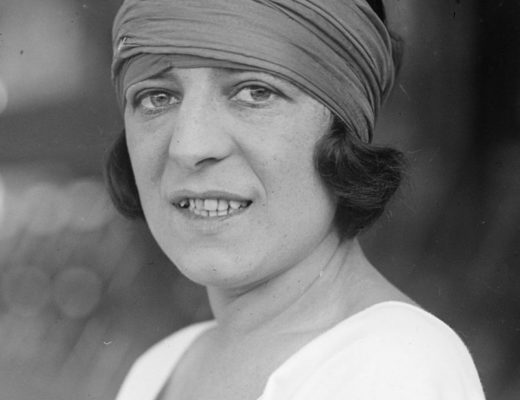
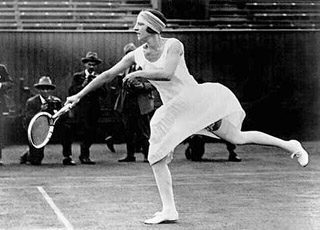
1934: French tennis star Suzanne Lenglen, winner of 15 Wimbledon titles, dies of leukaemia at the age of 39.
1976: Hostage ordeal ends as Israeli commandos swoop
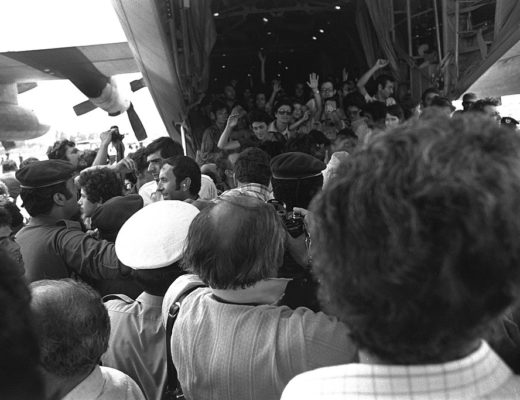
While the rest of the world still debated the best course of action, a crack force of Israeli commandos made a daring midnight raid of Entebbe airport, ending an eight-day nightmare. In a dramatic swoop, 200 commandos freed all but three of the 98 hostages who had been held there by Palestinian terrorists since June 27. The commandos arrived at the airfield in three Hercules C-130 transport planes and took just 53 minutes to complete their mission, overcoming airport guards and killing seven terrorists hijacked an Air France A300-B airbus shortly after take-off from Athens airport and demanded to be flown to Uganda. The passengers, a mix of Israeli and other nationalities, were pawns in an international drama which happily ended in their favour. Overjoyed that their nightmare was over, they were flown back to Israel.
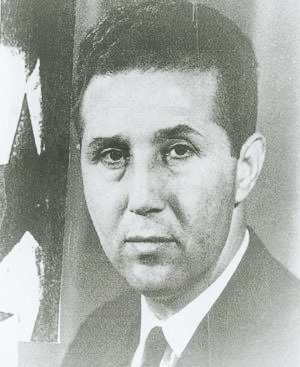
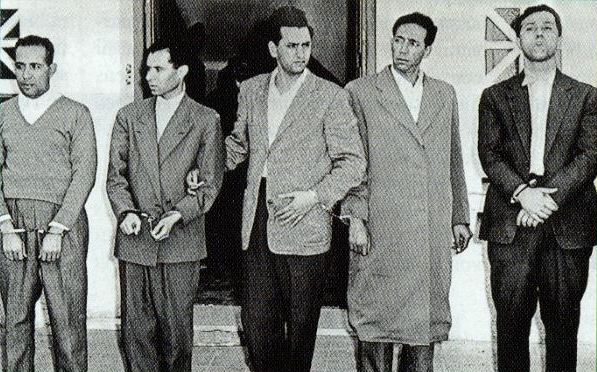
1979: Algerian leader Ben Bella is released after 14 years in jail.
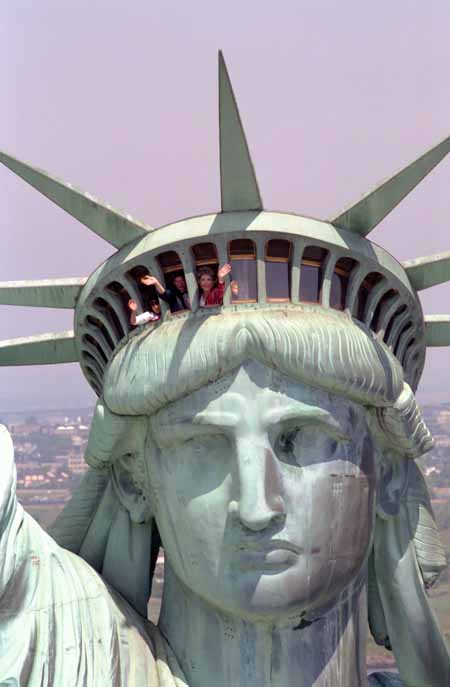
1986: New York’s Statue of Liberty gets a centenary facelift.
HAVE YOUR SAY
Like our Facebook page, follow us on Twitter and Instagram
For news straight to your phone, add us on BBM 58F3D7A7 or WhatsApp 082 421 6033