July 5: On This Day in World History … briefly
Interesting historic snippets and facts taken from the book ‘On This Day’ first published in 1992 by Octopus Publishing Group Ltd, London.
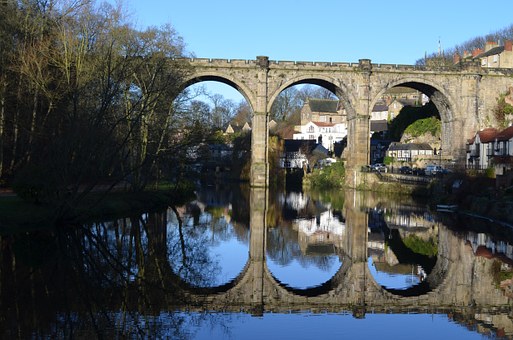
1791: George Hammond is appointed first ambassador to the USA.
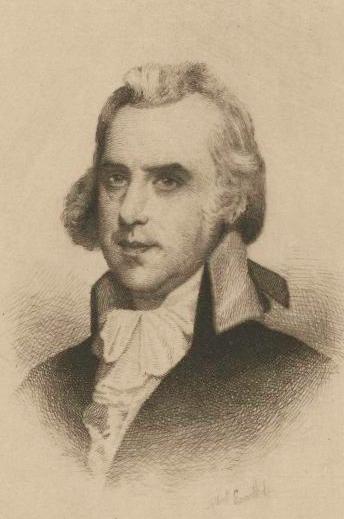
1811: Venezuela’s revolutionary congress declares its independence from Spain.
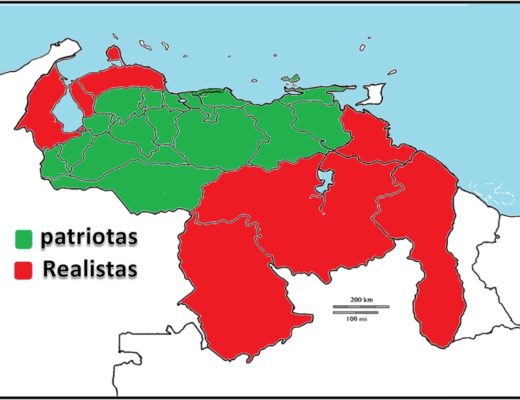
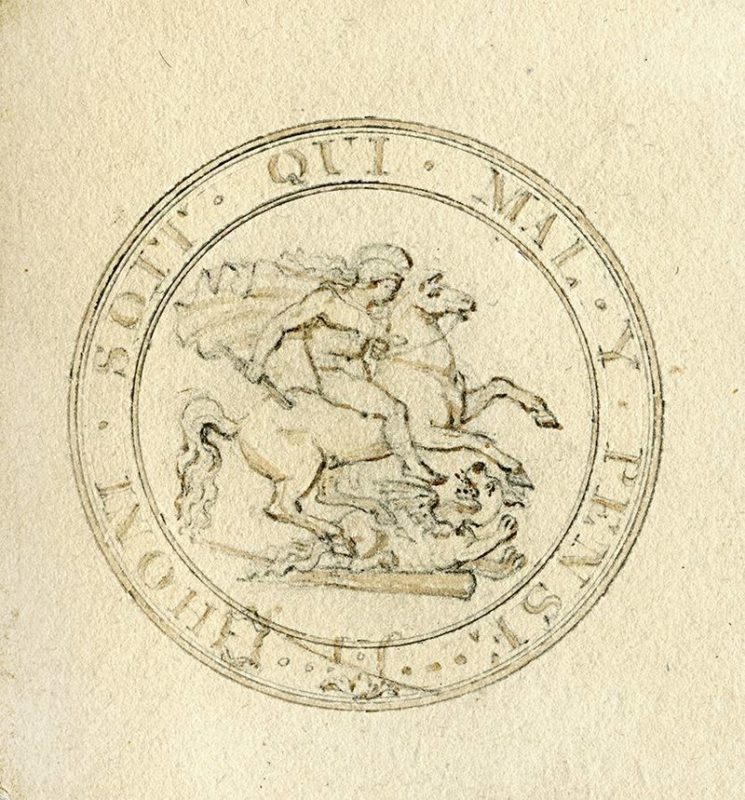
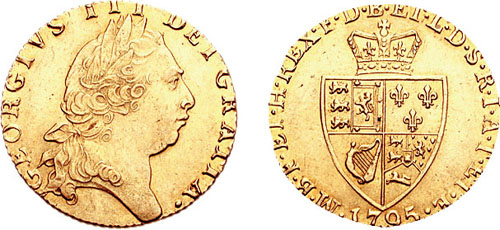
1817: The first gold sovereigns are issued in Britain.
1826: Raffles dies
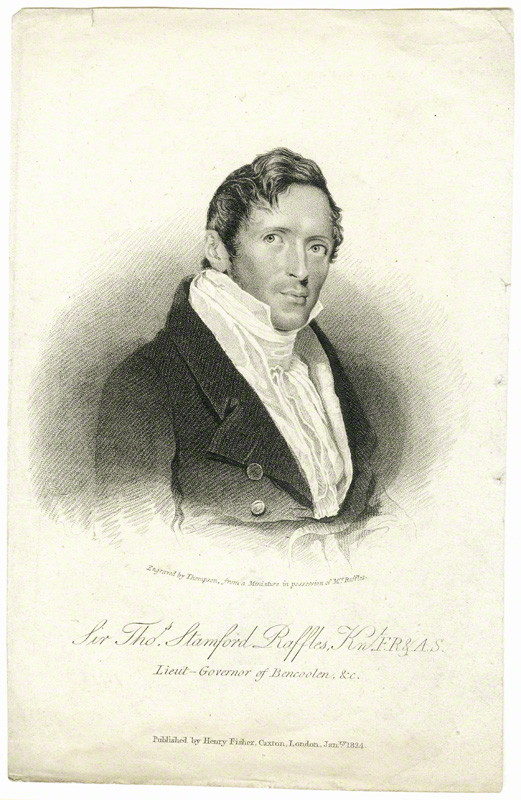
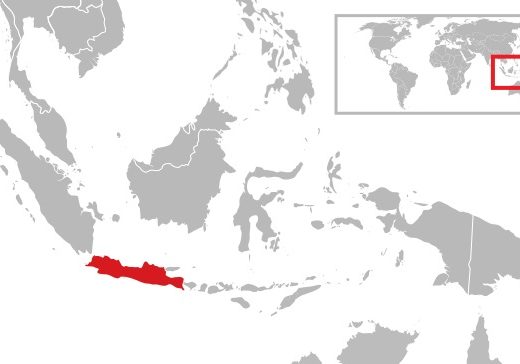
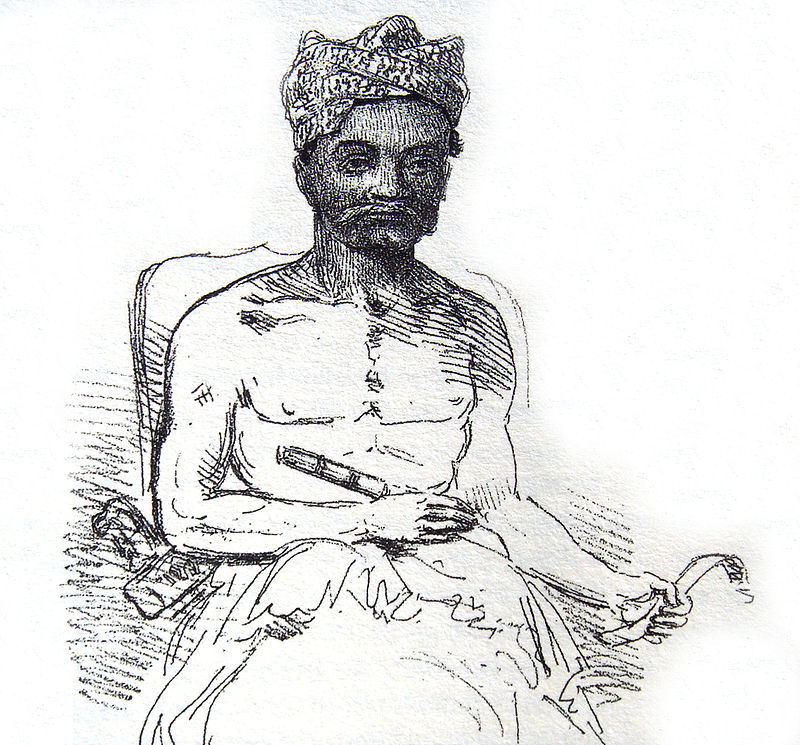
Colourful English colonial administrator Sir Thomas Stamford Raffles, best known for founding Singapore, dies in London after a brief illness. He was born in Jamaica, but spend much of his career in the Far East. During 1811 he accompanied Lord Minto in an expedition against Java, taking it from the Dutch. While serving as Lieutenant Governor of Java, Raffles completely reformed the internal administration of that country; he wrote ‘The History of Java’ in 1817 during enforced leave to England due to illness and was knighted whilst there. Upon his return to the Far East as Lieutenant Governor of Benkoelen, he formed Singapore and remained there until ill health again forced his return to England. On his way to England, his ship caught fire and he lost much of his natural history collection and East Indian vocabularies. Undaunted by this loss and his illness, he established London Zoo and was its first president.
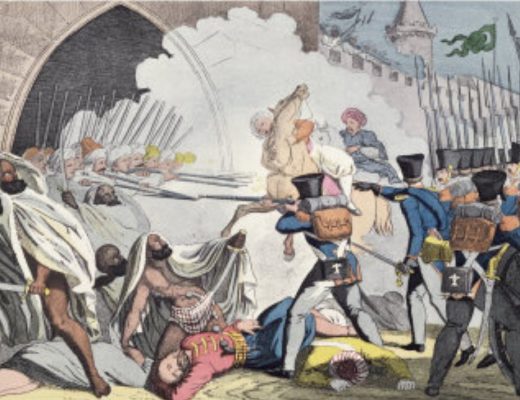
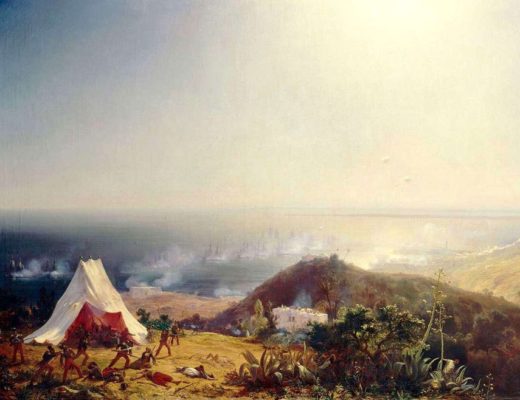
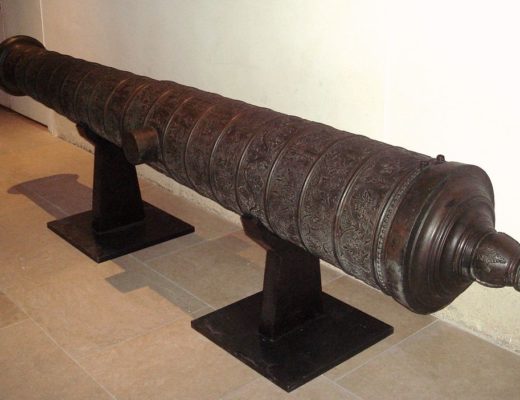
1830: The French capture Algiers and seize its ruler’s fabulous jewellery collection.
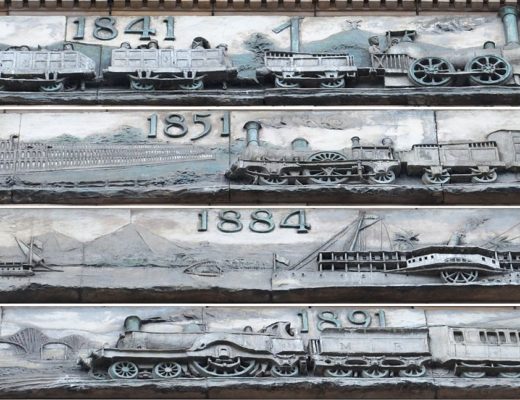
1841: Temperance turnout boosted by rail excursion
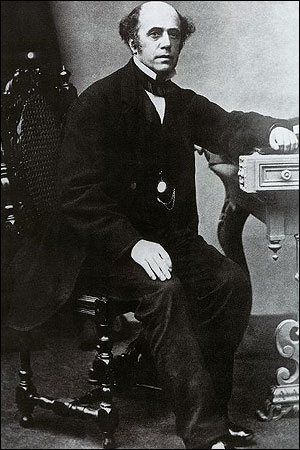
The temperance movement got a boost as Thomas Cook, entrepreneur and ardent temperance supporter, organised the first special rail excursion to transport the faithful to meetings. The excursion from Leicester to Loughborough and back again was pronounced a great success by Mr Cook. “All went off in the best style and in perfect safety we returned to Leicester.” he said. When asked how he had come to organise such a venture he replied:
“I thought as I was walking one day, what a glorious thing it would be if the newly-developed powers of railways and locomotion could be made subservient to the promotion of temperance.”
1865: A 2mph (3kph) speed limit is imposed in Britain, covering steam-driven and patrol vehicles.
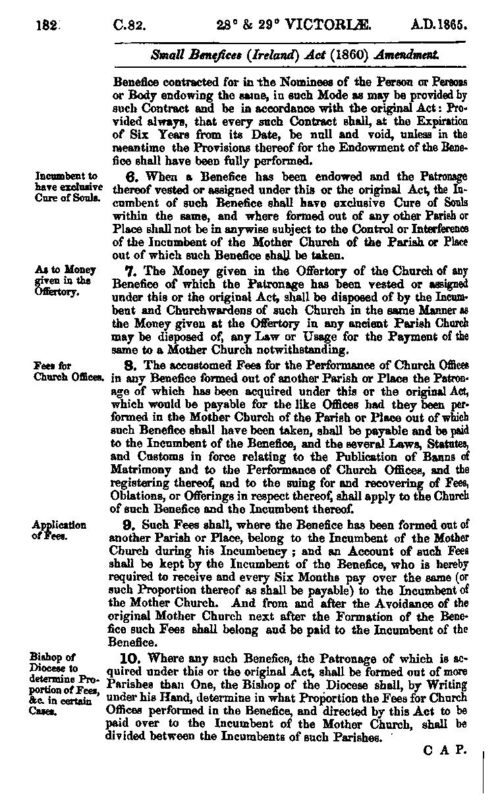
1902: Edward VII foots the bill for 450 000 impoverished Britons to celebrate his coronation with a free dinner.
1965: Diva says farewell to Covent Garden
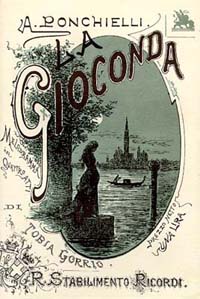
In a stunning final performance, soprano Maria Callas bids farewell to the operatic stage and her numerous fans at Covent Garden, some of whom had queued for 48 hours for tickets. In a voice noted for its fine range and gift of expression, Callas sang ‘Tosca’ before a packed house. She had sung all of the most exacting soprano roles, excelling particularly in the ‘bel canto’ style of the pre-Verdian Italian opera. She first came to international attention after a performance of ‘La Giacondo’ at Verona in 1947 and since then became an international star. Born in New York to Greek parents, Callas studied at Athens Conservatory.
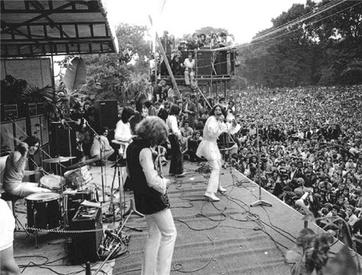
1969: Stones gives free concert in Hyde Park
Two days after the death of guitarist Brian Jones, the Rolling Stones gave a free concert in Hyde Park attended by a record 250 000 people. Policed by the London branch of Hell’s Angels and recorded for television, the concert was a great success. During the evening Mick Jagger paid tribute to Jones by reciting Shelley while clouds of white butterflies were released over the stage. Jones’ death was attributed to alcohol and drug abuse.
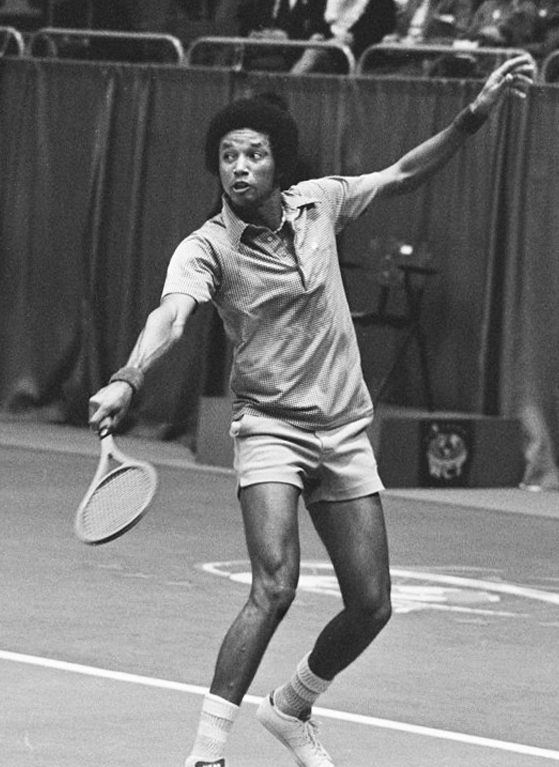
1975: Arthur Ashe beats Jimmy Connors to become the first black men’s singles champion at Wimbledon.
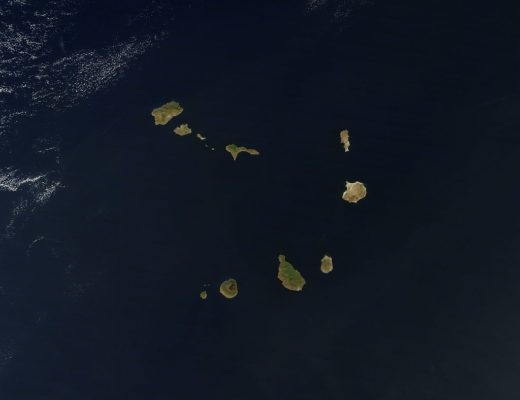
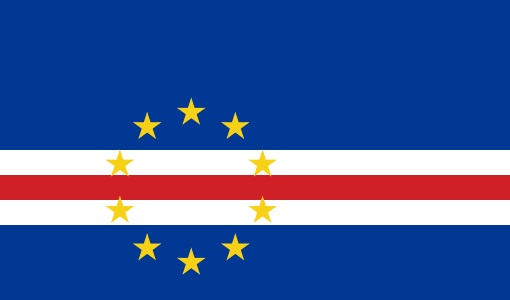
1975: The Cape Verde Islands gain their independence from Portugal.
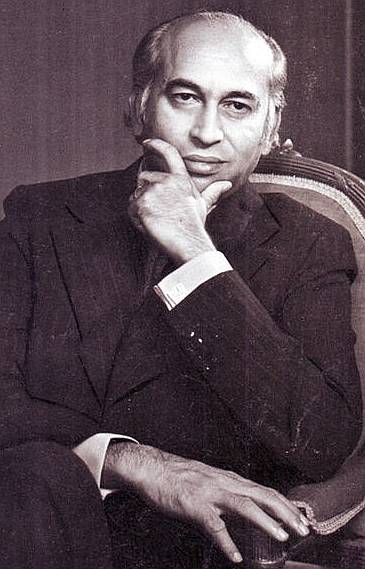
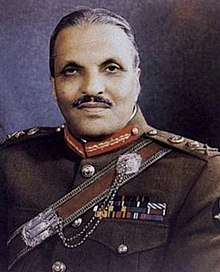
1977: Pakistani Prime Minister Zulfikar Ali Bhutto is ousted by a coup led by General Zia ul-Haq.
1988: Ordination of women moves a step closer
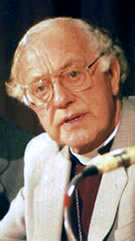
Amidst fears of a split, the Church of England voted to move towards the ordination of women priests. The Archbishop of Canterbury, Robert Runcie, voted against the motion which passed with a majority of less than percent. It is understood that he is unhappy about the present proposition not because he is opposed to female ordination, but because it allows bishops, priests and parishes the right to refuse women priests, which may provoke a split in the church.
1989: Colonel Oliver North is fined $150 000 (£95 000) and given a suspended sentence for the role he played in the Iran-Contra affair.
HAVE YOUR SAY
Like our Facebook page, follow us on Twitter and Instagram
For news straight to your phone, add us on BBM 58F3D7A7 or WhatsApp 082 421 6033