July 6: On This Day in World History … briefly
Interesting historic snippets and facts taken from the book ‘On This Day’ first published in 1992 by Octopus Publishing Group Ltd, London.
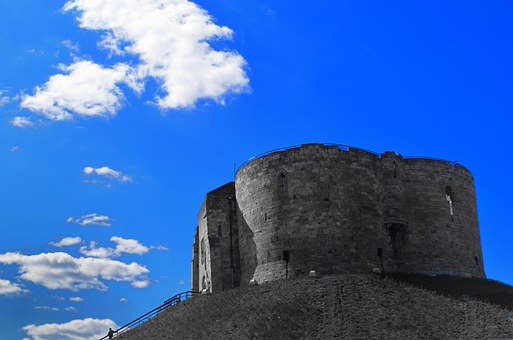
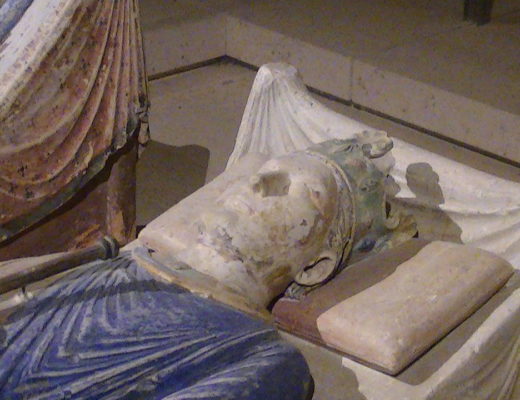
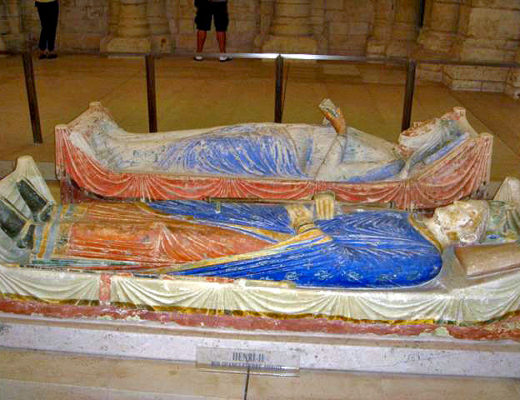
1189: French-born Henry II of Anfland dies in Tours, France, to be succeeded by Richard I, also known as ‘the Lionheart’.
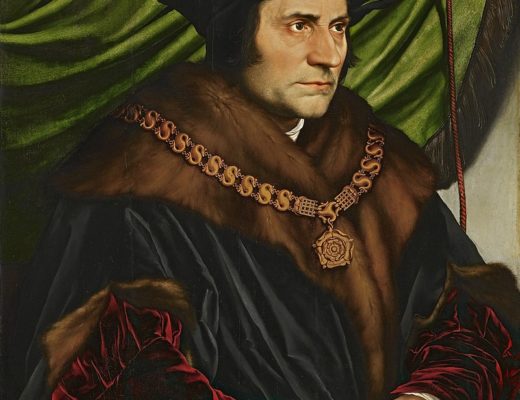
1535: Sir Thomas More executed
Distinguished politician and author Sir Thomas More is executed at the Tower of London after being found guilty of high treason. Formerly a favourite of King Henry VIII, More refused to take an oath of supremacy to the king as head of the church in preference to the Pope, so was charged and found guilty of high treason. He was held in the Tower for a year in the hope that he would recant. Sir Thomas was greatly respected in the country and had a most distinguished political and diplomatic career. London-born, he studied at Oxford under Linacre and his religious beliefs were strongly influenced by Colet. More entered parliament in 1504 and from 1509, when he enjoyed the favour of the King, was employed on various foreign missions. He was appointed Speaker of the Privy Council in 1518 and became Speaker of the House of Commons in 1523, during which time he was knighted. Against his own strongest wishes, he succeeded Wolsey as Lord Chancellor in 1529 and resigned in 1532 over King Henry VIII’s ecclesiastical policy and his marriage to Anne Boleyn. As a devout Catholic, More refused to recognise the King as head of the church and hence he lost his head.
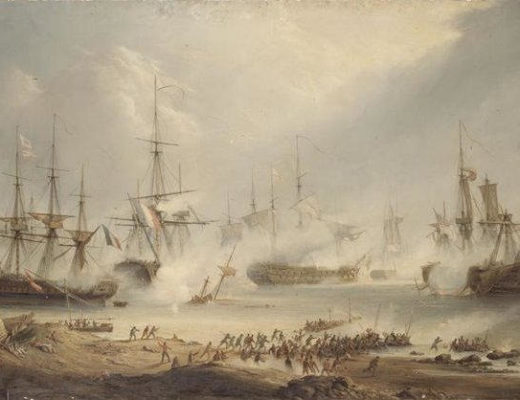
1801: The English and Spanish fleets are defeated by the French off Algeciras.
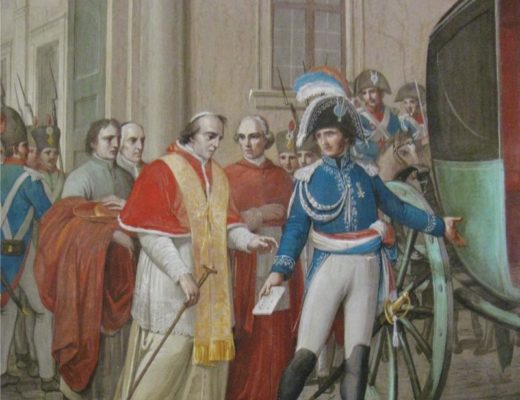
1809: Pope Pius VII is arrested for excommunicating Napoleon.
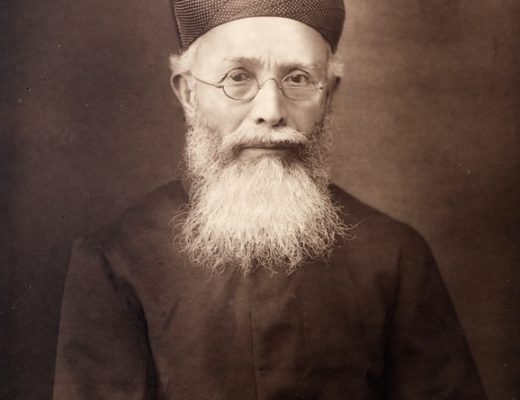
1892: Dadabhai Naoraji becomes Britain’s first non-white MP.
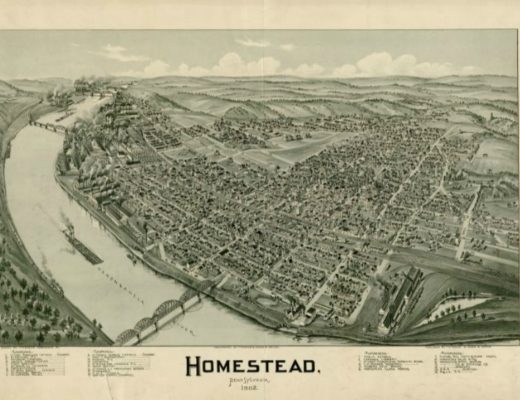
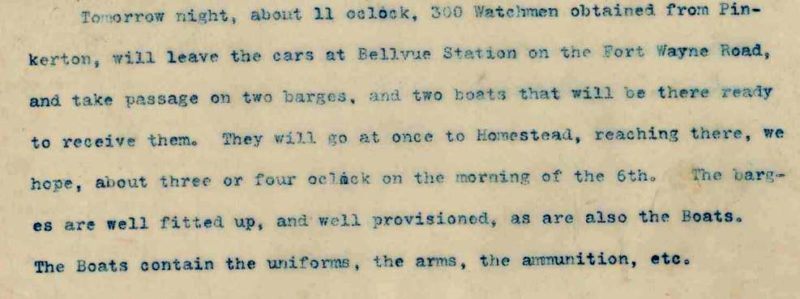
1892: American steelworkers are killed in a clash with armed Pinkerton men during a strike at the Carnegie Plant in Homestead.
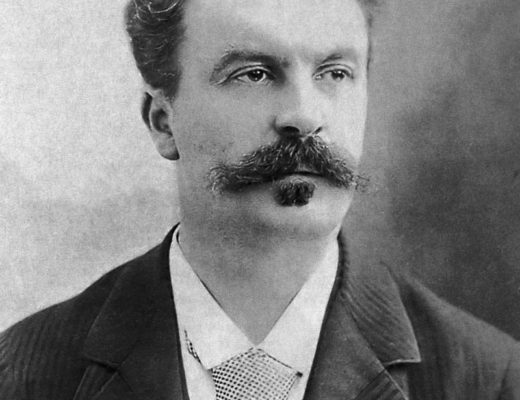
1893: French author Guy de Maupassant dies in an asylum for the insane.
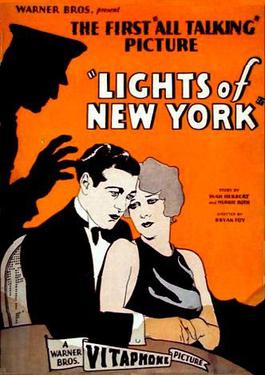
1928: ‘The Lights of New York’, the first all-sound feature film is premiered.
1957: Althea claims the title
Sporting history was made when American Althea Gibson became the first black Wimbledon champion, beating fellow American Darlene Hard 6-3, 6-2. An outstanding player, 30-year old Gibson never lost a single set throughout the entire fortnight of play.

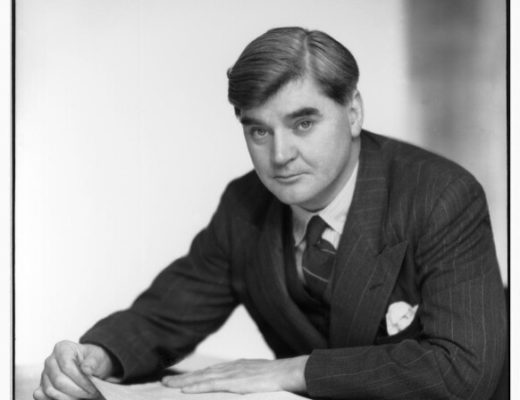
1960: Death of Aneurin Bevan, British Labour politician who, as minister of health from 1945 to 1951, created the National Health Service.
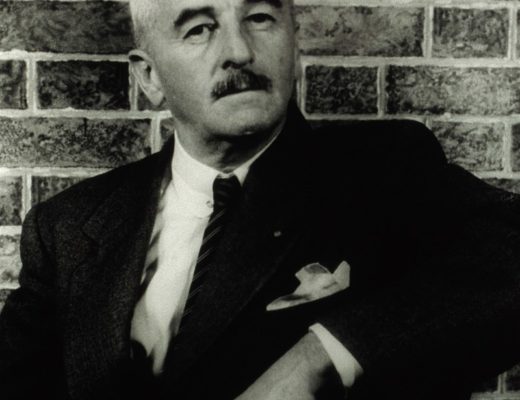
1960: American author and Nobel Prize-winner William Faulkner dies aged 62.
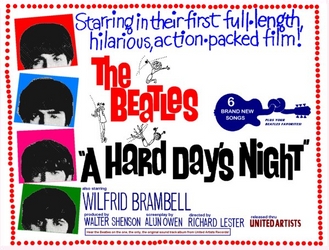
1964: ‘The Beatles’ first film ‘A Hard Day’s Night’ is given a royal premiere in London.
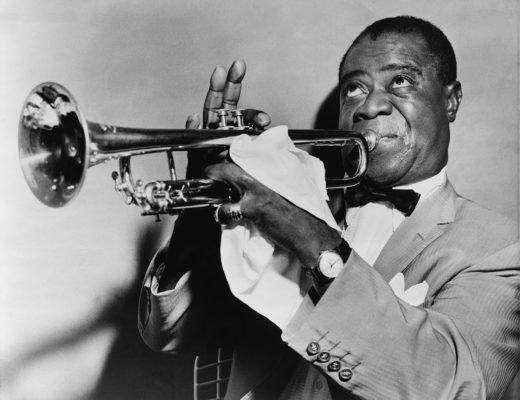
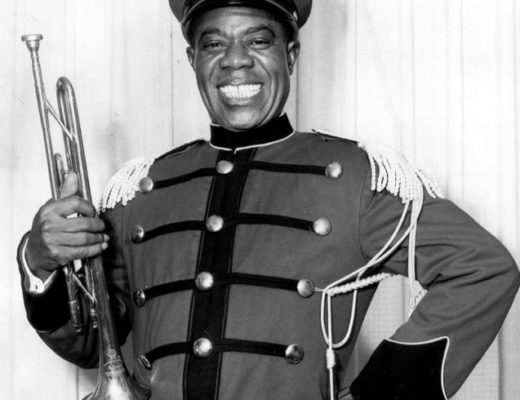
1971: Satchmo dies
The musical world loses one of its best-loved stars when jazz legend Louis Armstrong dies of a heart attack at the age of 71. He had been battling with ill health for three years. Affectionately known as ‘Satchmo’, Armstrong received international recognition for his virtuoso trumpet playing. He was also a bandleader, singer and star of film musicals, and became one of the foremost figures of 20th century popular music. He will be sadly missed not only for his skill on the trumpet, but also for his humour and warmth of personality.
“Musicians don’t retire; they stop when there’s no more music in them.” – Satchmo
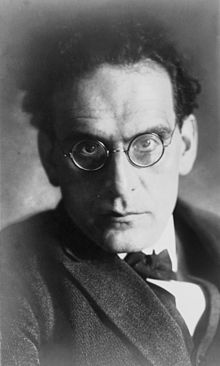
1973: Otto Klemperer, German-born conductor particularly noted for his interpretations of Beethoven symphonies, dies at the age of 88.
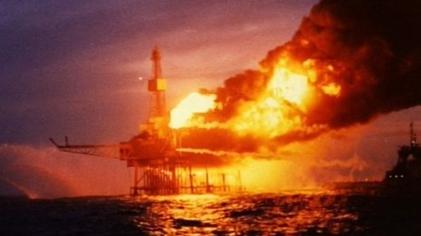
1988: North Sea rig explosion kills 166
An explosion on the North Sea oil rig ‘Piper Alpha’ results in the loss of 166 lives. According to survivors, a huge explosion wiped out the control room and a further explosion propelled a fireball across the platform, destroying the superstructure. Amidst the twisted wreckage and flames 500ft (162m) high, men plunged 200ft (65m) into the sea to their deaths. The intense heat and flames hampered rescue operations and it was believed that many of the men could not swim. Braving flames and cranes crashing into the sea, high-speed dinghies picked up as many survivors as possible. Seven NATO warships, 21 smaller vessels and six helicopters continued the rescue operation. The fire continued to rage on, fuelled by oil pumping indiscriminately from the sea bed. Occidental Petroleum, the firm operating the rig, called in famous firefighter and well-capper Red Adair to bring the ferocious blaze under control.
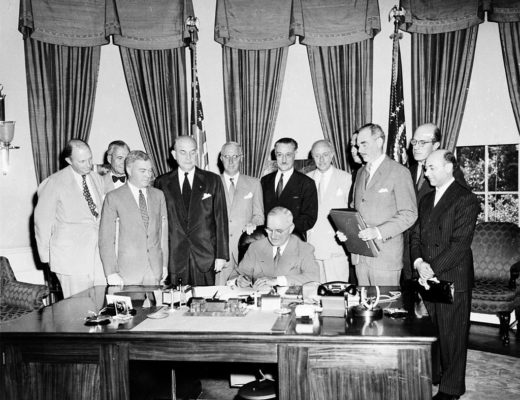
1990: NATO seeks new role
In the wake of the momentous events in Eastern Europe and the drive towards reunification by the two Germanies, NATO declared that the Warsaw Pact was no longer a threat to the West, and so must now seek a new role for itself in the 1990s. The declaration in London came hard on the heels of the announcement in May by NATO defence ministers of major cuts to budgets. It was understood that NATO would become a primarily political organisation.
HAVE YOUR SAY
Like our Facebook page, follow us on Twitter and Instagram
For news straight to your phone, add us on BBM 58F3D7A7 or WhatsApp 082 421 6033