July 7: On This Day in World History … briefly
Interesting historic snippets and facts taken from the book ‘On This Day’ first published in 1992 by Octopus Publishing Group Ltd, London.
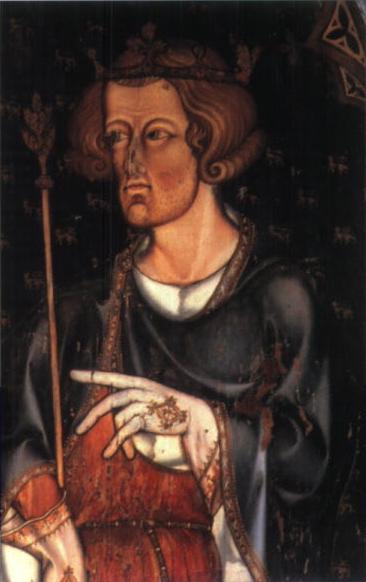
1307: English King Edward I, conqueror of the Welsh, dies on his way to Scotland to fight Robert the Bruce.
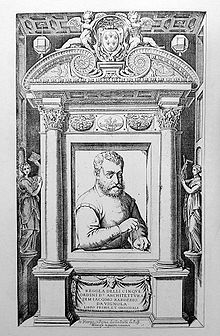
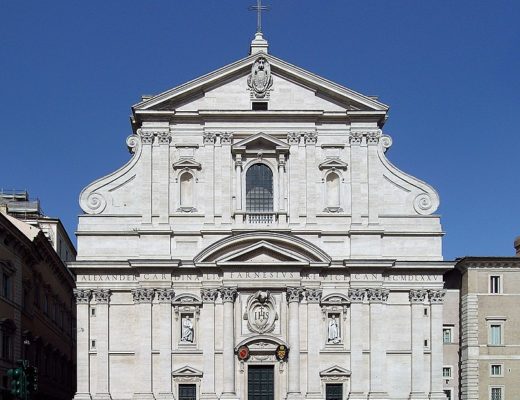
1573: Great Italian architect dies
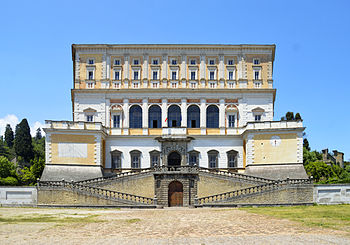
Giacomo Barozzi da Vignola, the great Italian Renaissance architect, dies in Rome at the age of 66. He had several patrons and would be remembered for a number of great buildings. Two of the finest were Villa Giulia for Pope Julius III and Villa Farnese at Caprarola. Perhaps he will best be remembered for the church of the Gesu, the mother church of the Jesuits, which was used as a model for their places of worship throughout the world. The Gesu, with its cruciform plan and side chapels, also had a significant influence on French and Italian church architecture.
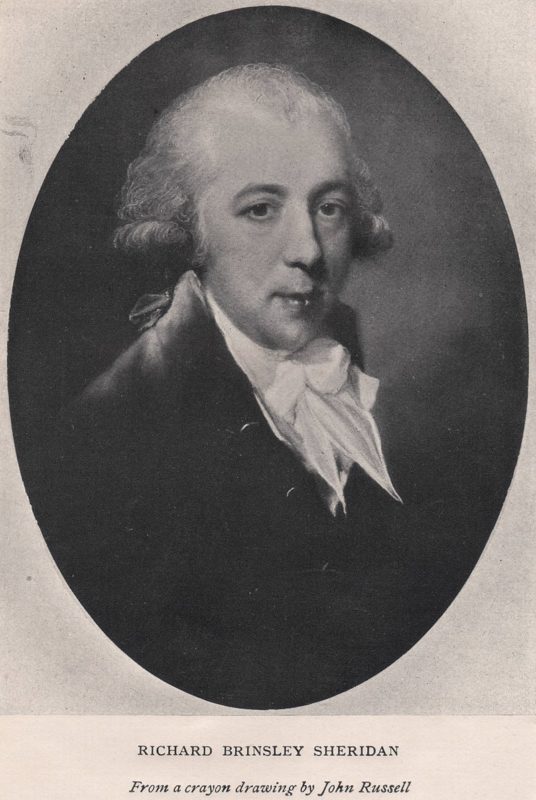
1816: Irish playwright Richard Sheridan, best-known for ‘School for Scandal’ dies in poverty.
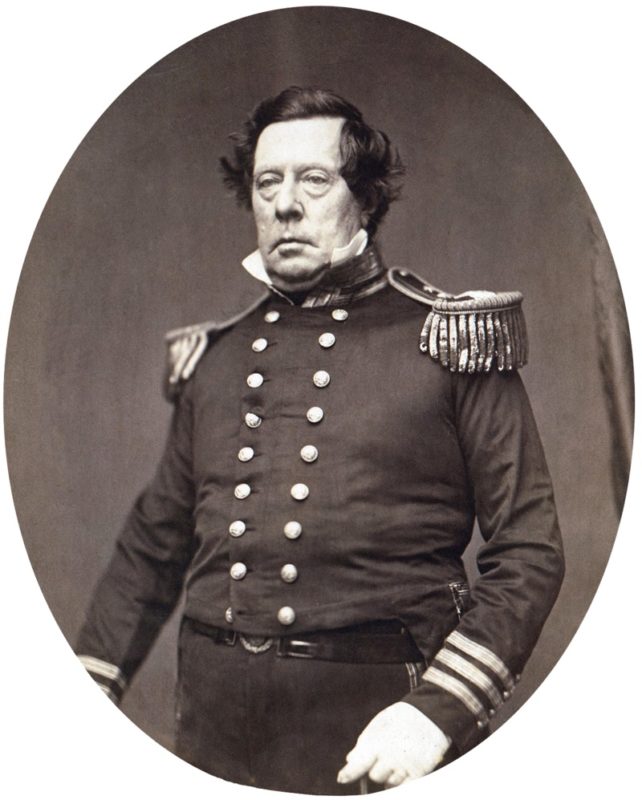
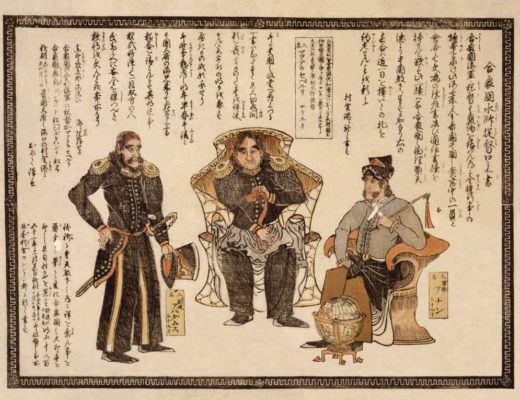
1853: Japan open to trade after 250 years of isolation
US Naval officer Commodore Matthew Perry persuades Japan to unlock its doors to trade with the rest of the world. Backed by armed ships in Edo Harbour, Perry convinced the current shogun that the Japanese should treat shipwrecked sailors with more consideration, that American vessels should be allowed to purchase coal and that American merchants should be allowed to trade in at least one port. Japan effectively closed its doors to the western world when it expelled the Spanish in 1624 and the Portuguese in 1639. Only the Dutch were allowed extremely limited access to the country under very exacting restrictions and Japanese citizens were not permitted to travel outside the country. Although this surprise capitulation by the shogun was greeted with delight in the West, it caused some anxiety and unrest in Japanese society.
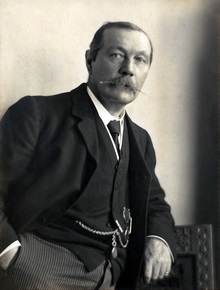
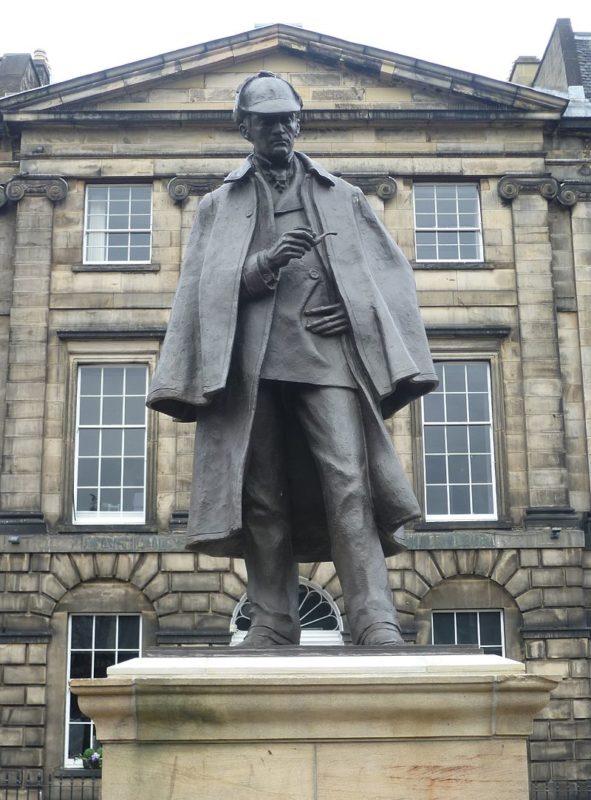
1930: Sir Arthur Conan Doyle, creator of sleuth Sherlock Holmes and his sidekick Dr Watson, dies at age 71. Edinburgh-born Doyle trained as a doctor and began writing while in practice at Southsea. His interest in science and history was reflected in many of his novels. He was knighted in 1902 and in later life he became a spiritualist.
“When there is no imagination, there is no horror.” Sir Arthur Conan Doyle
1941: US takes over occupation of Iceland
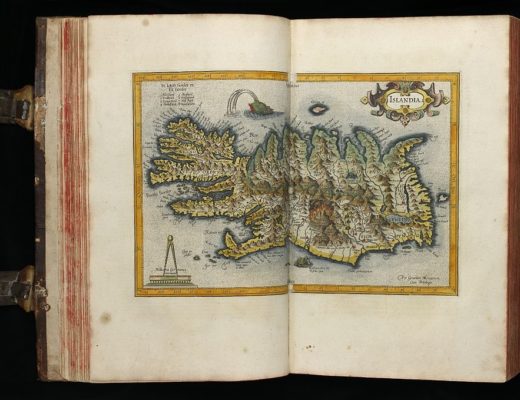
President Franklin D Roosevelt orders American troops to occupy Iceland, in a move to release British forces from Iceland and deter any attack from Nazis. Although Iceland is an independent country, Britain occupied it earlier in the year to prevent Germany from turning it into a base from which to further threaten British shipping. Although the US was not at war with Germany at that stage, the country was as committed to the Allied cause as possible without actually declaring war on Germany. Roosevelt stressed that the US must remain ‘an arsenal of democracy.’
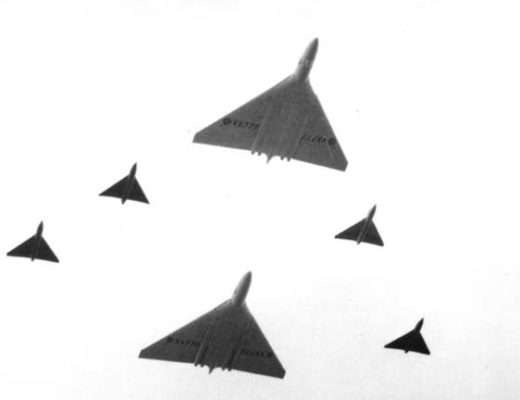
1950: The first airshow is held at Farnborough in Surrey, UK.
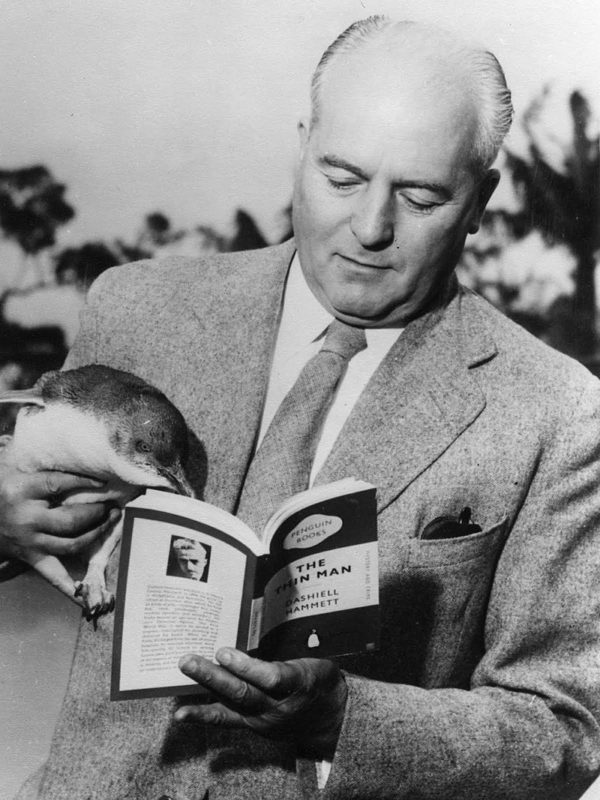
1970: Death of Sir Allen Lane, founder of Penguin and the first publisher to promote the paperback.
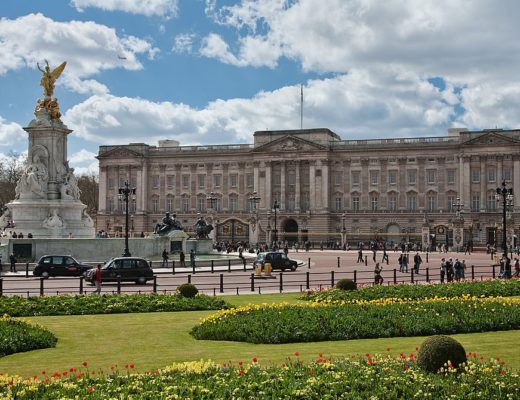
1982: Queen entertains intruder
Queen Elizabeth is awoken by a strange man sitting on her bed in the Royal suite at Buckingham Palace. Michael Fagin (30) swigging wine from the Royal cellars, chatted amicably with the monarch who kept remarkably cool throughout what must have been an alarming experience. When Fagin asked for a cigarette, the Queen used the pretext of calling for some to summon help. She was unharmed by the incident and was praised for her clear-headed response to a potentially dangerous situation. Fagin was remanded in custody and charged with theft for the wine and with trespassing. The incident highlighted concerns about lax security at Buckingham Palace.
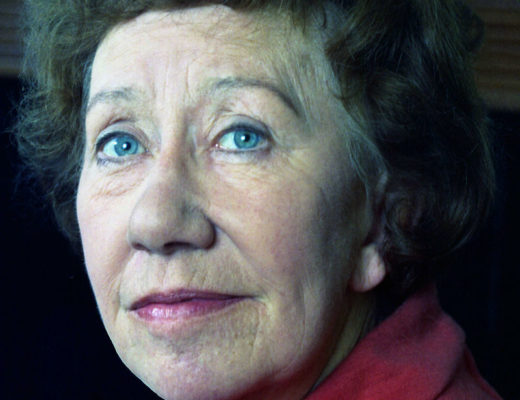
1984: Death of Dame Flora Robson, English stage and screen actress whose most notable films were ‘Black Narcissus’, ‘Fire Over England’, and ‘Innocent Sinners’.
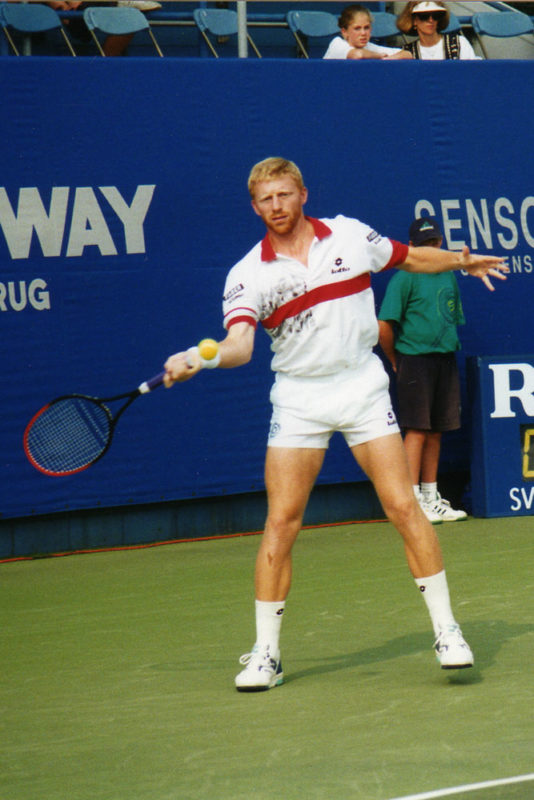
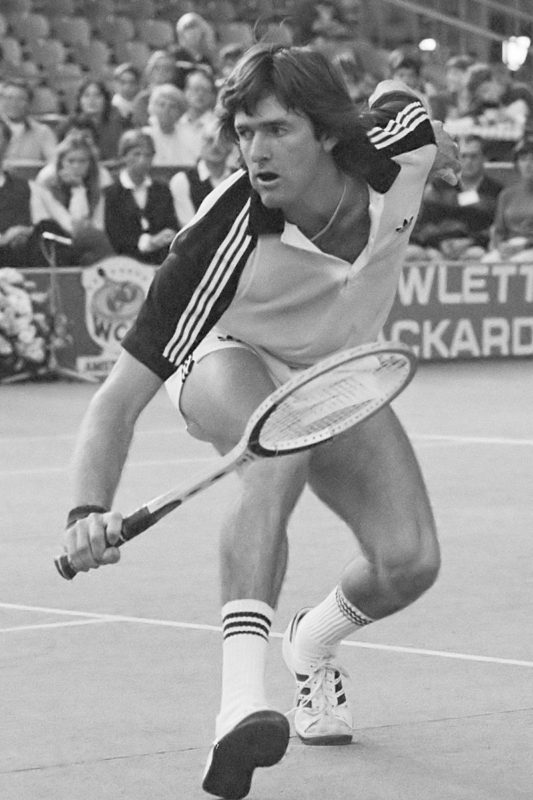
1985: Seventeen-year old Boris Becker beats Kevin Curren to become the youngest-ever Wimbledon men’s singles title holder. Becker was a powerful player, relying on enormous energy and physical strength to win.
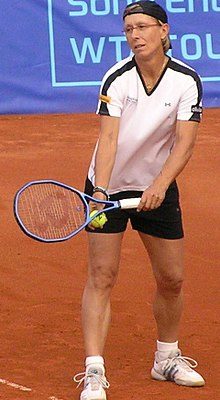
1990: Martina Navratilova made Wimbledon history by winning her ninth Wimbledon title, obtaining first place more times than anyone in the history of Wimbledon.
HAVE YOUR SAY
Like our Facebook page, follow us on Twitter and Instagram
For news straight to your phone, add us on BBM 58F3D7A7 or WhatsApp 082 421 6033