July 8: On This Day in World History … briefly
Interesting historic snippets and facts taken from the book ‘On This Day’ first published in 1992 by Octopus Publishing Group Ltd, London.
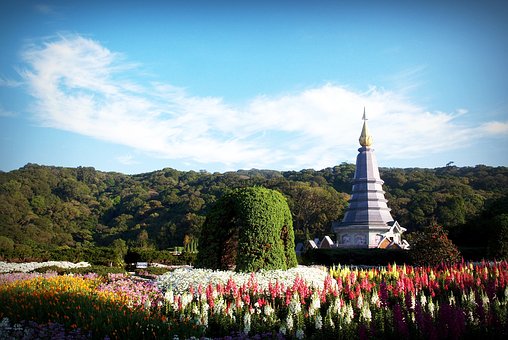
1497: Portuguese navigator Vasco da Gama sets sail from Lisbon to attempt to find a sea passage to India.
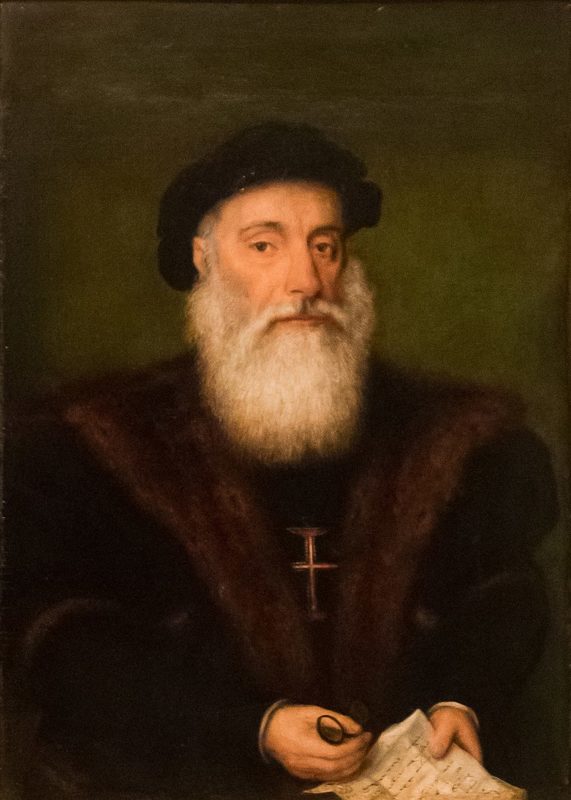
1822: Shelley drowns
Leading figure in the Romantic Movement, Percy Bysshe Shelley, drowned in the Bay of Spezia, when his small boat foundered in a storm. He had just visited the poet Byron and Leigh Hunt at Leghorn and was returning home. A somewhat controversial figure, Shelley nevertheless contributed enormously to English literacy and intellectual life, leaving behind an impressive legacy of poetry, essays, pamphlets and letters. After the breakup of his marriage to Harriet Westbrook and her suicide, he left England for Italy with Mary Godwin with whom he had formed a liaison. He subsequently married her in spite of disapproving of marriage, royalty, meat-eating and religion. A great rebel and anarchist, his life and work reflect his intellectual courage, his keen sense of injustice and sharp sense of humour. Born in 1792 in Horsham, he was educated at Eton and University College, Oxford where he was expelled after only one year for writing a pamphlet titled ‘The Necessity of Atheism’.
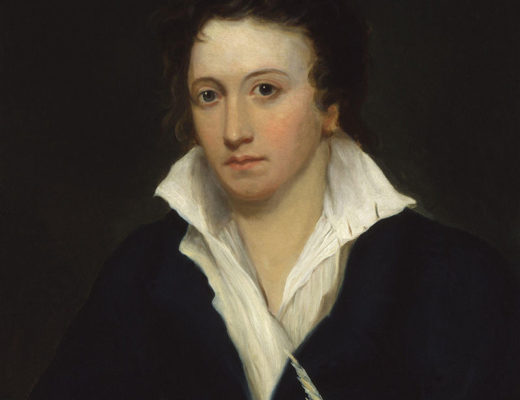
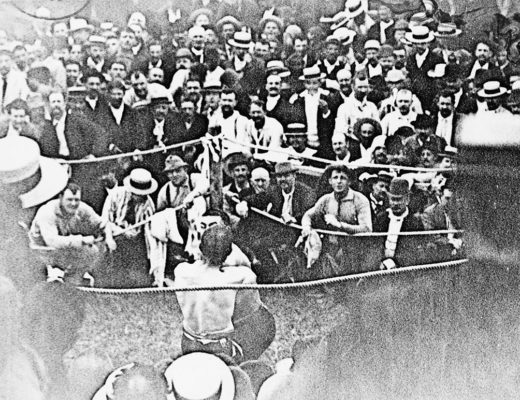
1889: Bostonian Sullivan wins last bareknuckle fight
At a bareknuckle world heavyweight match in Richburg, Mississippi, John L Sullivan defeats Jake Kilrain in the 75th round. After a punishing 75 rounds, 31-year old Sullivan won the world heavyweight title – at what was to be the last bareknuckle defence of the world heavyweight crown under London Prize Ring rules, with a knockout. In future title fights combatants would have to wear large padded gloves. Professional boxing would from then on follow the Marquis of Queensberry rules, which amateur boxing had used for some years. Sullivan’s great strength was the hallmark of his success, which began five years prior when he took the world heavyweight title from Paddy Ryan. His prowess earned him a substantial amount of money, although it was rumoured that heavy drinking outside of the ring had used up most of it.
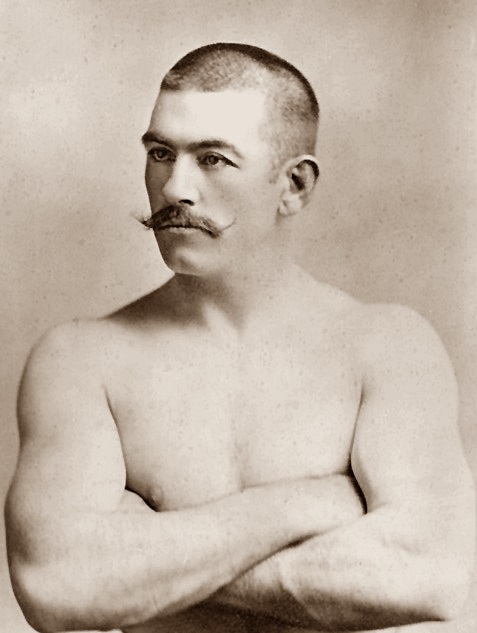
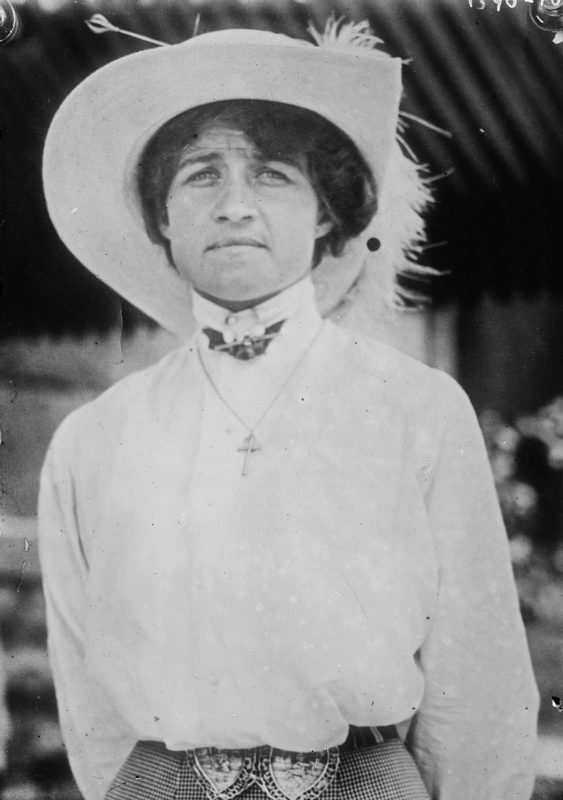
1905: American tennis player May Sutton becomes the first foreigner to take a Wimbledon title.
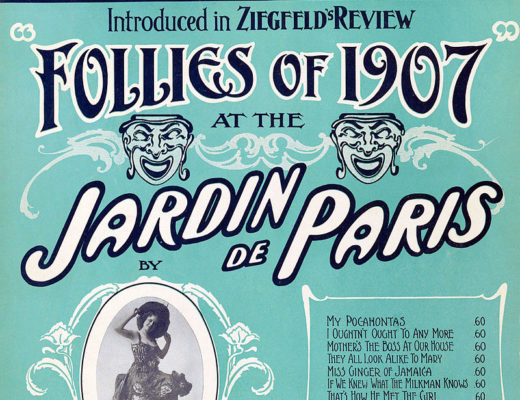
1907: Ziegfeld glorifies the American girl
With the flashing of legs and twitching of ostrich plumes, the Follies hits Broadway. The theatre manager and producer Florenz Ziegfeld brought an all-American version of the Folies Bergère of Paris to the New York stage, using that magic combination of beautiful girls, semi-nudity, great pageantry and comedy to ensure success; his theme – ‘Glorifying the American girl’. Although less risqué than the original, Ziegfeld’s Follies were bound to cause a stir. Ziegfeld was no stranger to the art of dramatic promotion and had in the past managed ‘Sandow’, the famous strong man, as well as French actress Anna Held.
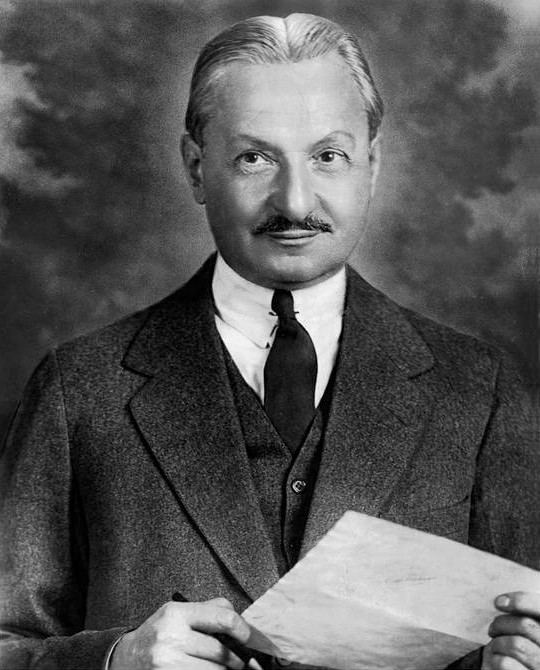
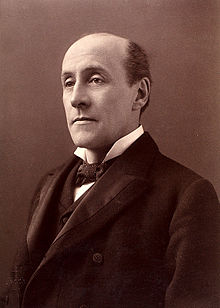
1933: Death of British novelist Anthony Hope, author of ‘The Prisoner of Zenda’.
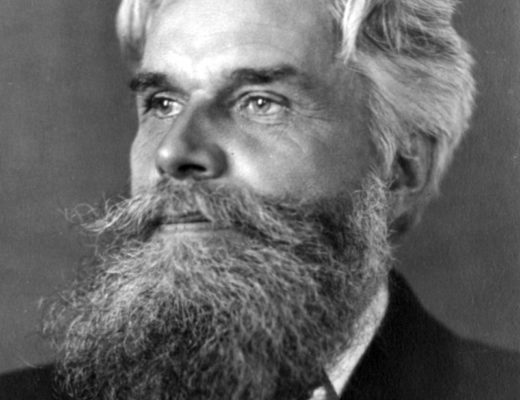
1936: Death of Henry Havelock Ellis, British psychologist and essayist best-known for his studies of human sexual behaviour.
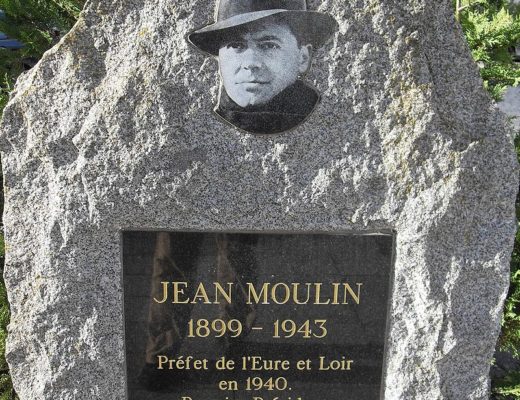
1943: French Resistance leader Jean Moulin is executed by Nazi torturers who include Klaus Barbie.
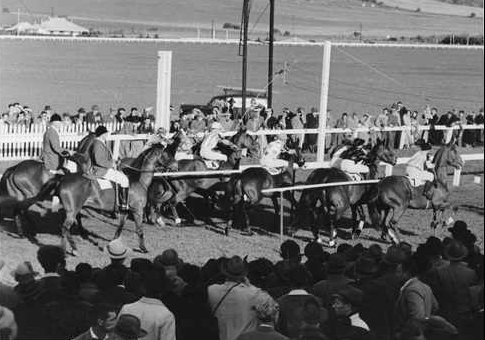
1965: Starting gates for horse-racing are used for the first time at Newmarket in Britain.
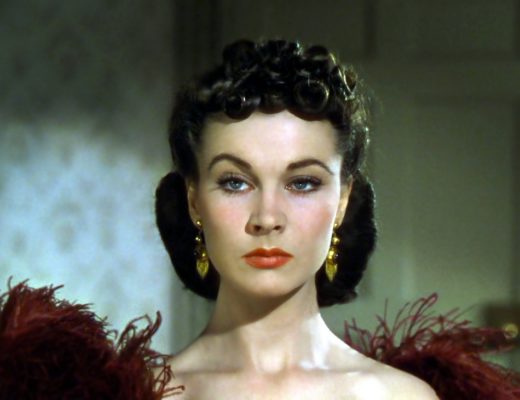
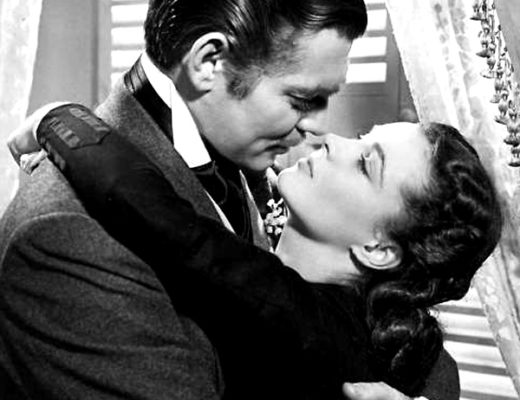
1967: British actress Vivien Leigh, star of ‘Gone with the Wind’ dies of tuberculosis aged only 53.
1978: No oxygen tanks necessary
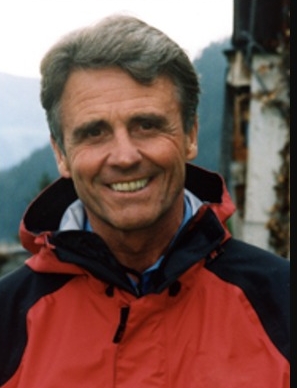
Two German mountaineers, Reinhold Messner and Peter Habeler, successfully scale Mount Everest without the use of oxygen, which has been crucial to the success of all previous expeditions to conquer the world’s tallest mountain. Officially 29 028ft (9 416m) high, Everest runs through Nepal between India and Tibet. Its name in Tibetan means ‘Goddess Mother of the World’. It was first conquered in 1953.

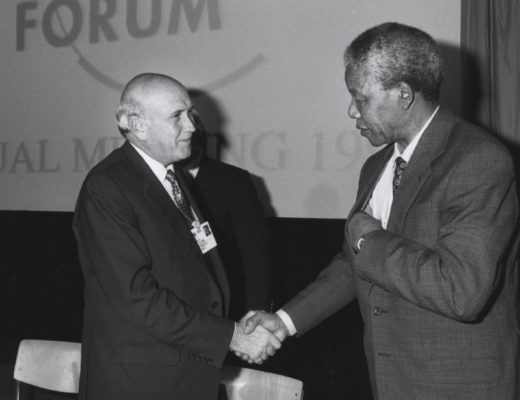
1989: Secret talks raise hopes of Mandela’s release
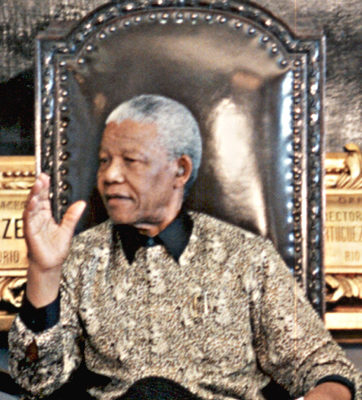
News of a secret meeting held three days before between imprisoned ANC leader Nelson Mandela and outgoing President PW Botha causes a stir of speculation in South Africa. The meeting at Cape Town’s presidential offices, the ‘Tuynhuys’, was conducted without any press coverage and lasted a mere 45 minutes. Growing calls for the release of Mandela, who had been in jail for more than 26 years, and international pressure for the ending of apartheid, put the heat on the South African government. Liberals took the news as a sign that the authorities may finally be prepared to come to the negotiating table and that they accepted Mandela as the man they would have to face. Others however, were less pleased. Winnie Mandela suspected Botha’s motives and right-wingers saw any discussions with black leaders as a betrayal of the white minority.
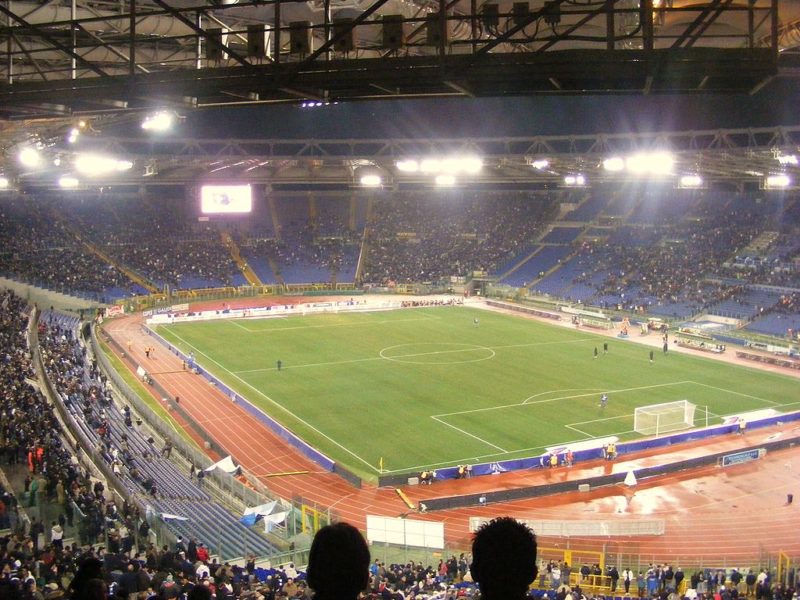
1990: One billion television viewers watch West Germany defeat Argentina to win the World Cup.
HAVE YOUR SAY
Like our Facebook page, follow us on Twitter and Instagram
For news straight to your phone, add us on BBM 58F3D7A7 or WhatsApp 082 421 6033