July 9: On This Day in World History … briefly
Interesting historic snippets and facts taken from the book ‘On This Day’ first published in 1992 by Octopus Publishing Group Ltd, London.
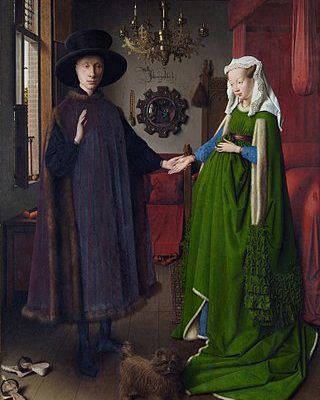
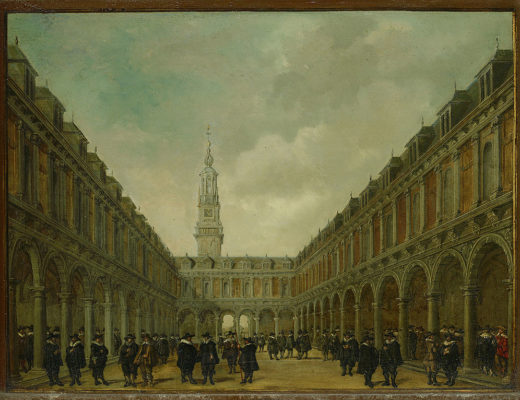
1440: Flemish painter Jan van Eyck dies in Bruges, leaving the altarpiece of ‘The Adoration of the Lamb’ at Ghent Cathedral and the double portrait ‘Giovanni Arnolfini and His Wife’ as his main claims to fame.
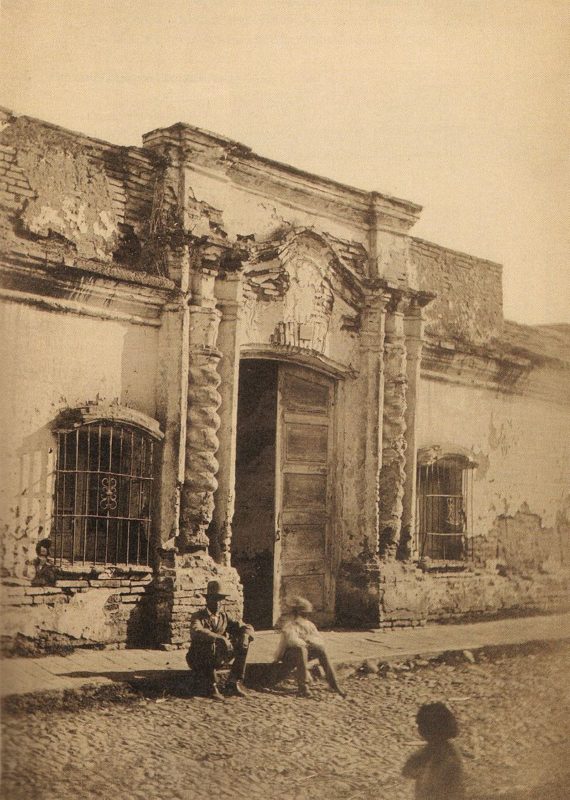
1810: Argentina proclaims its independence from Spain at the Congress of Tucuman.
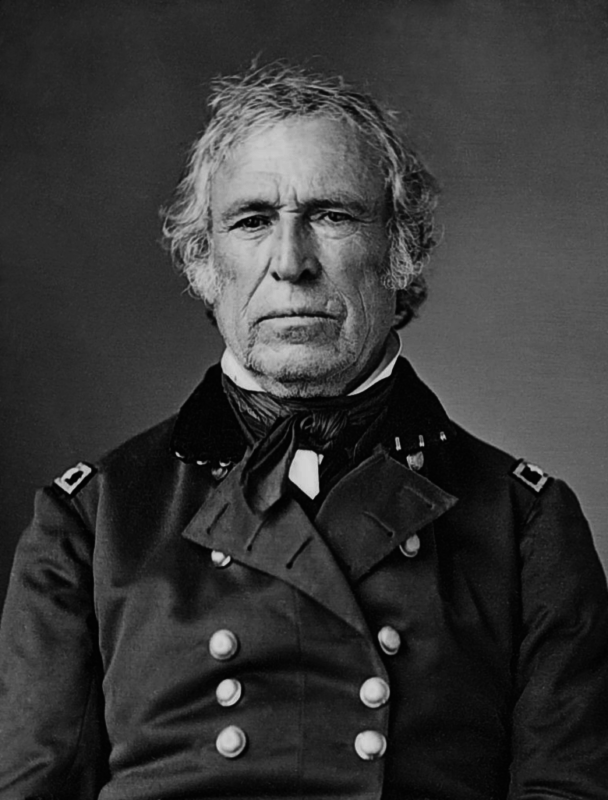
1850: Death of Zachary Taylor, American statesman and general, 12th president 1849-50.
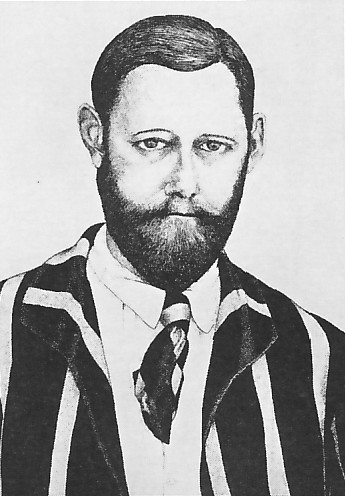
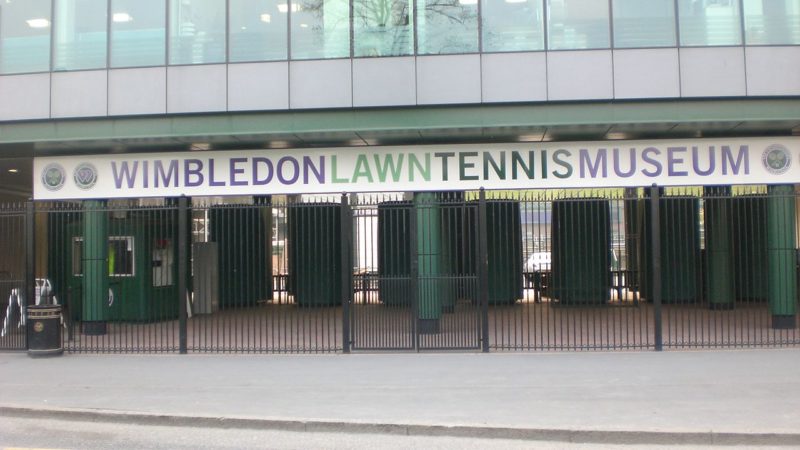
1877: Lawn tennis championships inaugurated at Wimbledon
Harrovian rackets player Spencer W Gore won the first-ever men’s title at Wimbledon in matches played on the top quality croquet lawns of the All-England Croquet and Lawn Tennis Club. The club hoped that this championship would become an annual event open to the very best amateur players of lawn tennis. Lawn tennis had only been invented in this form a few years before. Played on grass or on a composition court, the game was derived from the 12th-century French game of real (or royal) tennis – the method of scoring, the rackets used and the rules of the two games were very similar.
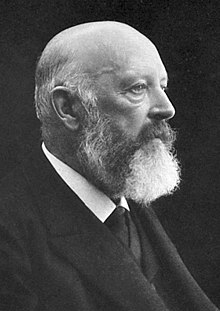
1902: Germans patent compound to alleviate insomnia
A German pharmaceutical company takes out a patent on a new compound which will ‘alleviate insomnia’. The company claimed that barbaturic acid, a derivative compound of malic acid found in unripe apples and urea, could be used as a sleeping aid, as an anaesthetic for surgery, and to help control epilepsy. However, prolonged use could be addictive.
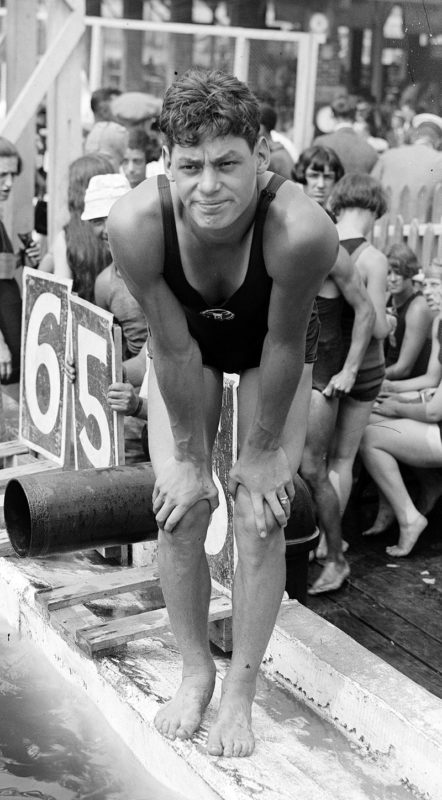
1922: Eighteen-year old American swimmer Johnny Weissmuller swims the 100m in 58.6 seconds.
1925: In Dublin, 22-year old Oonagh Keogh becomes the first female member of a stock exchange.
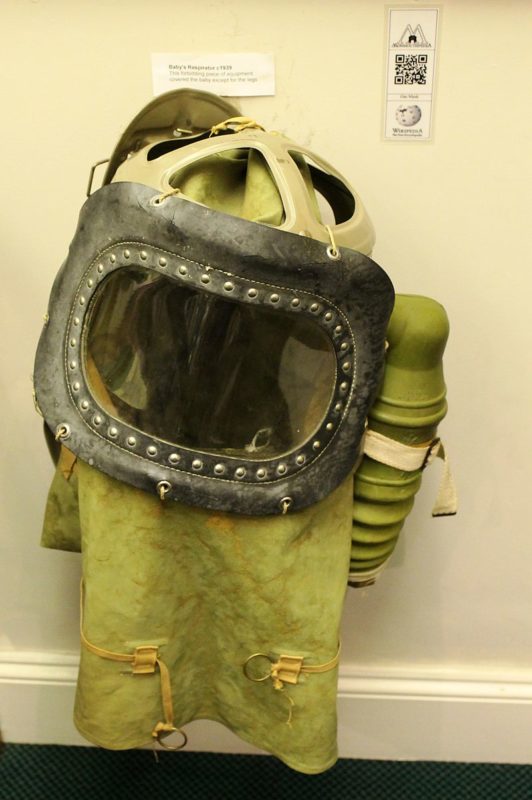
1938: Thirty-five million gas masks go into shops in Britain in anticipation of World War Two.
1943: British and American forces begin the invasion of Sicily.
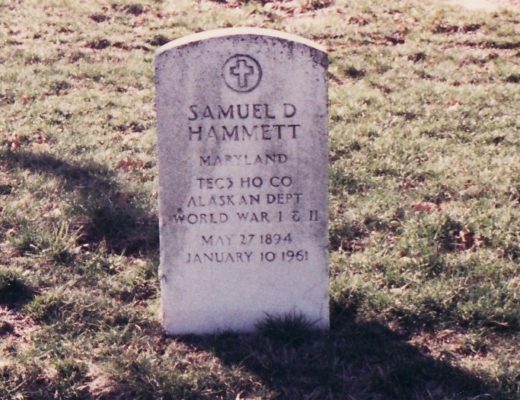
1951: Crime writer jailed for contempt
American crime writer Dashiel Hammett was jailed for contempt of court when he refuses to testify before the House Un-American Activities Committee. Senator Joe McCarthy’s crusade against communism led to the blacklisting of many in public life and the arts who are on the left of the political spectrum. Hammett, a former Pinkerton detective, had virtually given up the writing on which his reputation depended (his crime classics included ‘The Maltese Falcon’ and ‘The Thin Man’). His partner, playwright and author Lillian Hellman, was also expected to be called before the committee to testify.
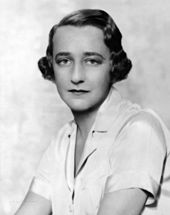
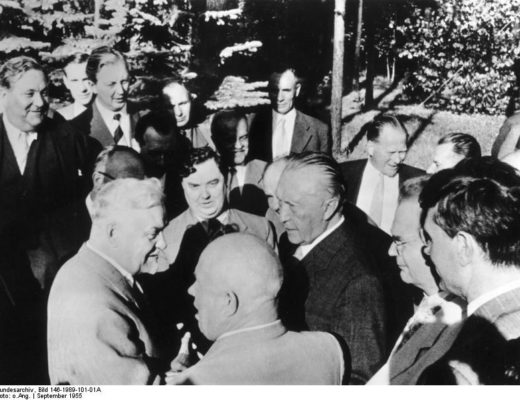
1957: Nikita Khrushchev, first secretary of the Soviet Communist Party, heads off a coup attempt and banishes ex-prime minister Georgi Malenkov to Kazakhstan.
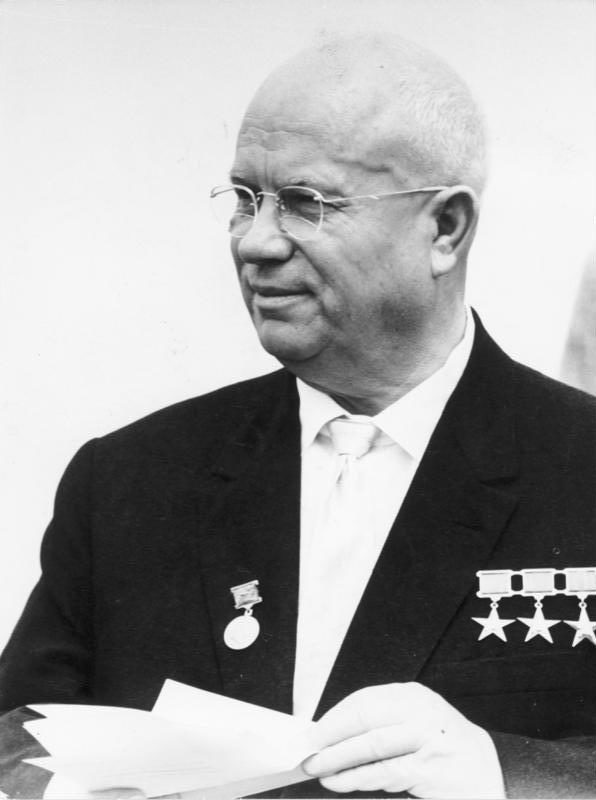
1979: Sandinistas overthrow Somoza
The civil war in Nicaragua ends – Sandinista rebels overthrow General Somoza, prompting his resignation and flight into exile. His family ruled Nicaragua for 47 years and the bloody conflict between Sandinista rebels and Somoza’s army cost the lives of thousands of Nicaraguans. Somoza’s downfall was inevitable after he lost the support of conservatives, the business community and his biggest ally, the US. In fact, the US had been instrumental in helping to work out a plan to replace Somoza. New President Francisco Malianos would take Nicaragua through the transitional period.
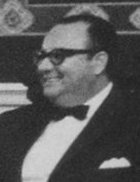
1984: Lightning causes York Minster fire
York Minster Cathedral is struck by lightning, causing a fire in the roof which destroyed the south transept of the 700-year old building, which was fully protected against lightning. The fire was soon detected and the church clergy, working in relays, managed to save most of the treasures held in the building. The rescue operation continued until blazing beams and debris falling from the roof made it dangerous to continue. Some conservative critics within the Church of England proclaimed the fire an act of retaliation by God over the consecration of Right Reverend David Jenkins, Bishop of Durham, who had questioned some of the orthodox beliefs of the church. Archbishop of Canterbury Robert Runcie retaliated by saying that God must certainly have intervened on behalf of the cathedral since only the south transept was destroyed and the famous Rose Window was left intact.
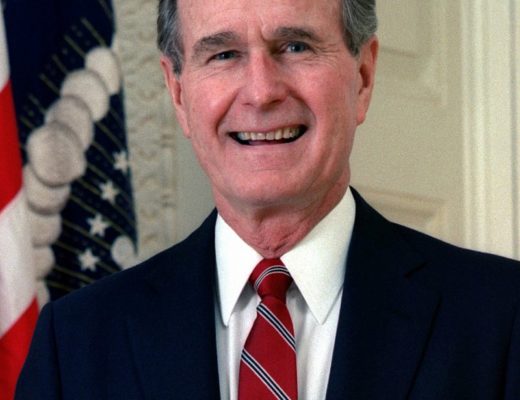
1989: US President George Bush begins a tour of Europe, starting in Poland.
1990: Nairobi is closed down on the third day of rioting in Kenya.
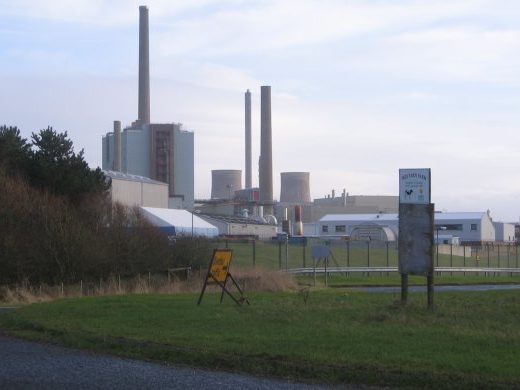
1990: A 15-mile (24km) stretch of the Cumbrian coast in north-west England is declared unsafe after items contaminated by the leaks from Sellafield Nuclear Plant in 1983 are washed up on the shore.
HAVE YOUR SAY
Like our Facebook page, follow us on Twitter and Instagram
For news straight to your phone, add us on BBM 58F3D7A7 or WhatsApp 082 421 6033