July 11: On This Day in World History … briefly
Interesting historic snippets and facts taken from the book ‘On This Day’ first published in 1992 by Octopus Publishing Group Ltd, London.

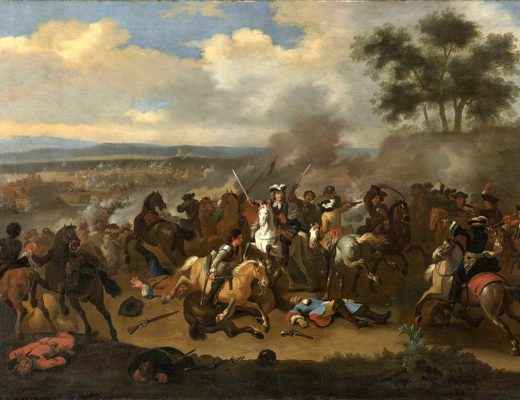
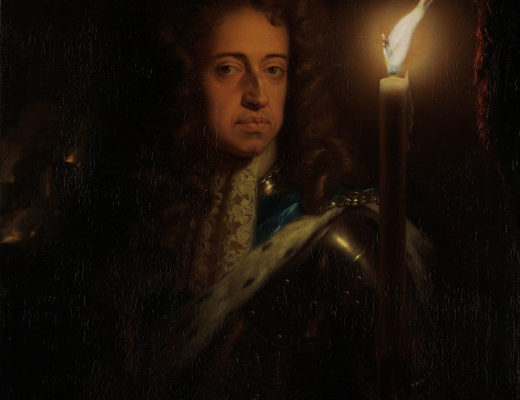
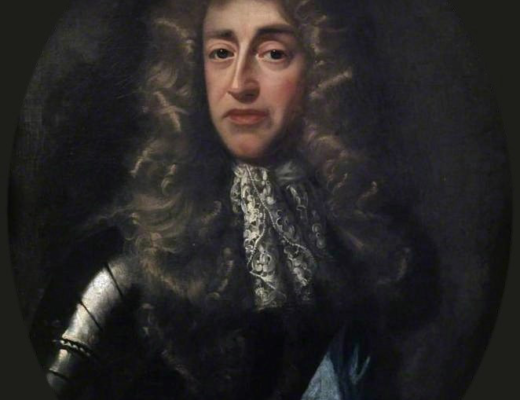
1690: William of Orange defeats James II
Deposed Roman Catholic King of England James II meets defeat at the hands of King William III, or William of Orange, on the banks of the river Boyne in Ireland. James had raised a French/Irish army from his exile in France and landed in Britain intending to retake the crown. James was deposed in June 1688 shortly after the birth of his son when parliament became concerned about the possibility of a Catholic succession to the throne.
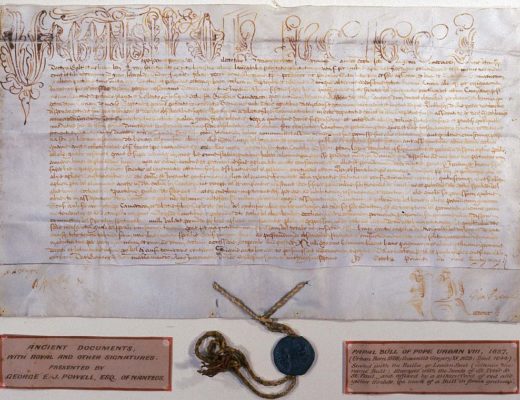
1742: A Papal Bull condemns Jesuit tolerance of Confucianism in China.
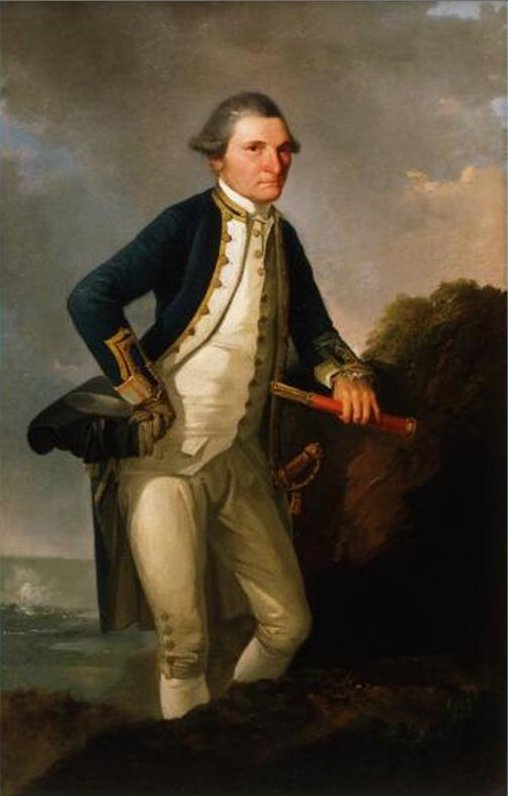
1776: Captain Cook sets sail to find the Northwest Passage
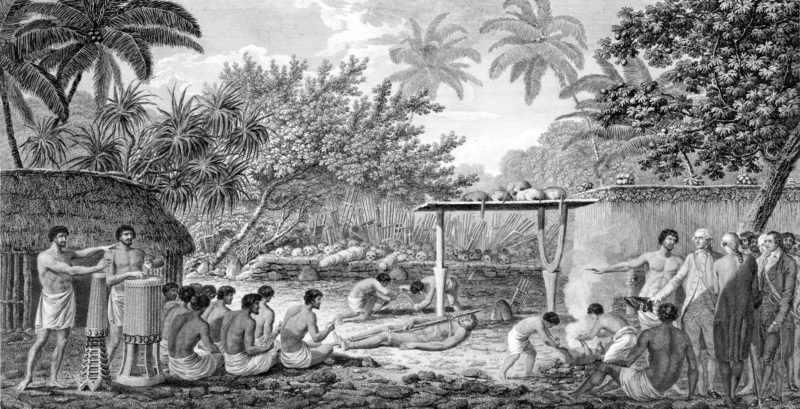
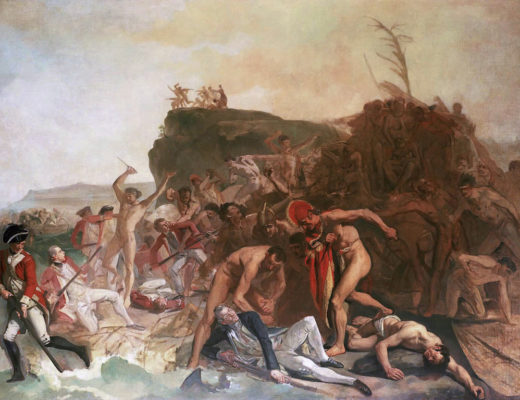
Explorer Captain James Cook sets sail from Plymouth Harbour on his third important voyage of discovery, in search of a passage round the northern coast of America from the Pacific side. He was expected to retrace some of his earlier routes through New Zealand and the Pacific Islands. Cook joined the Royal Navy in 1755 and began his first major voyage of exploration in 1768, while in command of ‘Endeavour’. His success led to a promotion – as commander of ‘Resolution’ and ‘Adventure’, he set off in 1772 to determine how far northwards the lands of Antarctica stretched. Cook proved an able commander – his previous expedition only suffered one death throughout the whole three years. He returned in 1775, having sailed 60 000 miles (96 000km) in three years.

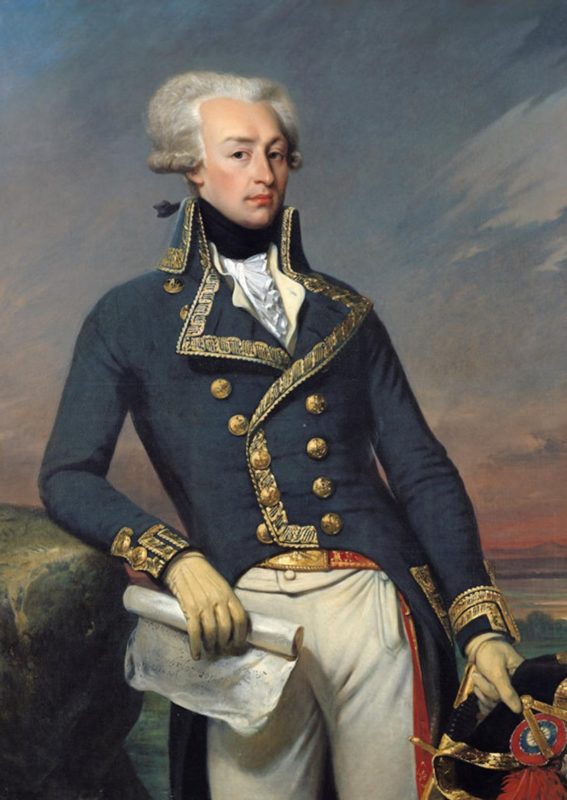
1789: The Marquis de Lafayette presents the Declaration of the Rights of Man to the National Assembly.
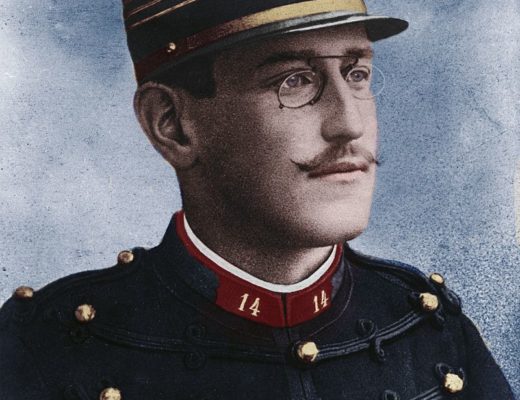
1935: Death of Alfred Dreyfus, the French soldier whose conviction for treason aroused accusations of anti-Semitism and caused a national scandal.
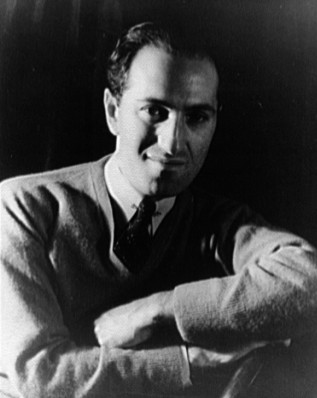
1937: Death of George Gershwin, American composer and pianist best known for ‘Rhapsody in Blue’ and ‘Porgy and Bess’.
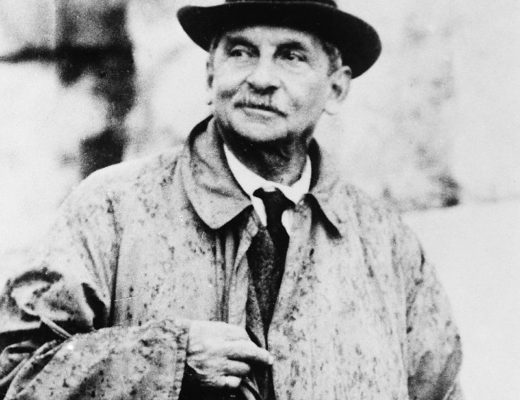
1941: Sir Arthur Evans, British archaeologist who excavated Knossos in Crete, dies just three days after his 90th birthday.
1975: Chinese unearth Terracotta Army
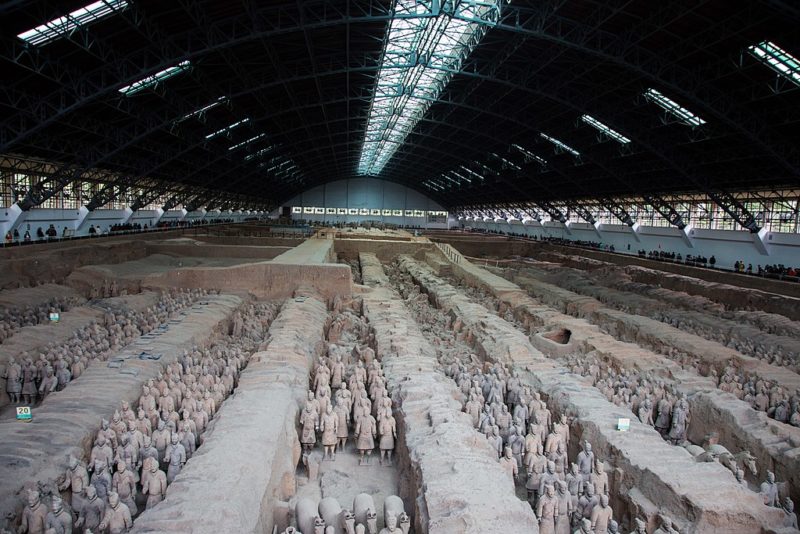
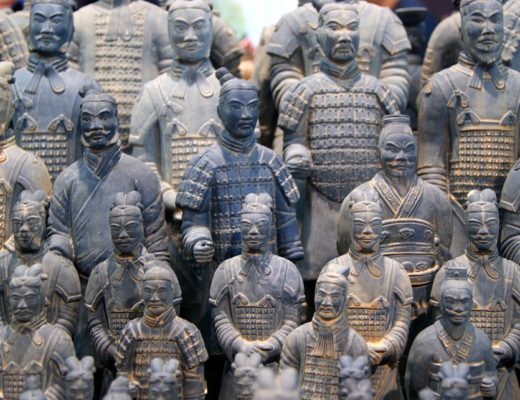
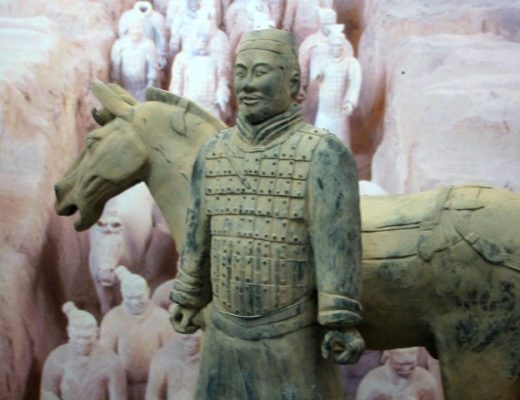
Archaeologists in China unearth a vast army of 8 000 terracotta figures, sculpted and fired in the shapes of warriors, chariots and horses, all drawn up in battle formation. Found near the ancient Chinese capital of Xi’an, they were created more than 2 000 years before for Qin Shi Huangdi, the first emperor to unite China. He created the first totalitarian society and ruled it with efficiency and utter ruthlessness. He unified the Great Wall by building connecting walls in the gaps of existing walls, the construction of which cost the lives of more than 100 000 people. The figures are a mile (1.6km) from the emperor’s tomb and look as if they are guarding it. They range in height from 5ft 8 inches (173cm) to 6ft 5 inches (195cm), and are highly individual in their appearance. The horses, chariots and weaponry found revealed the enormous skill of the artisans who created this spectacular memorial. Their reward was to be walled up inside the emperor’s tomb, so that the secret of the army would die with them.
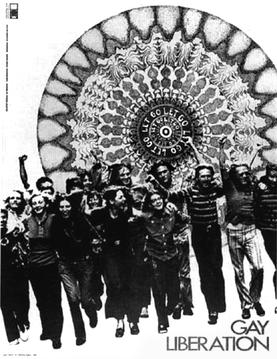
1977: The British magazine ‘Gay News’ is fined £1 000 ($1 850) for blasphemy for publishing a poem suggesting that Jesus was homosexual.
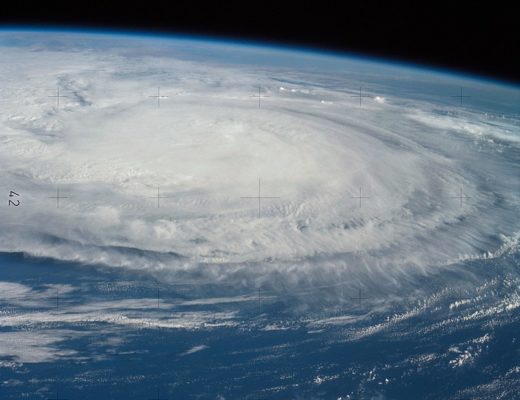
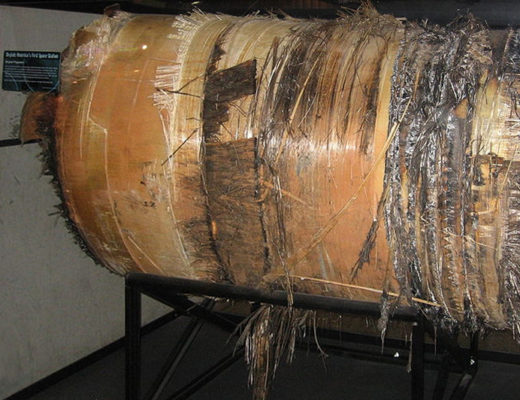
1979: US ‘Skylab’ burns up on re-entering the Earth’s atmosphere after six years in space.

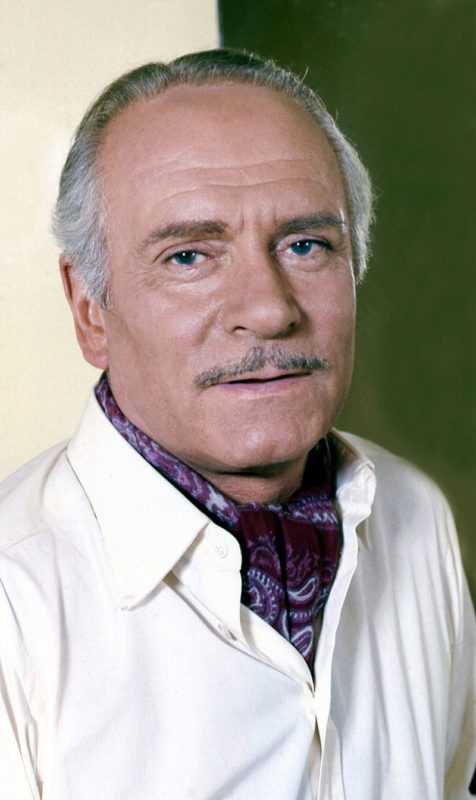
1989: Legend Olivier dies
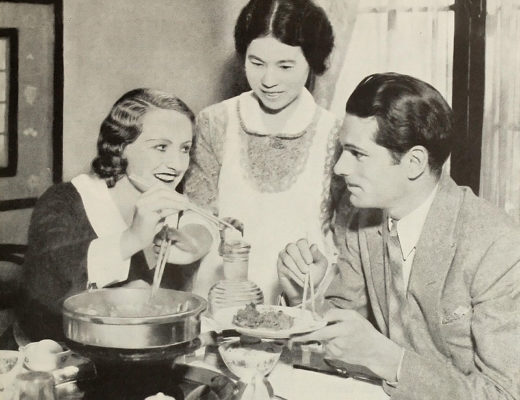
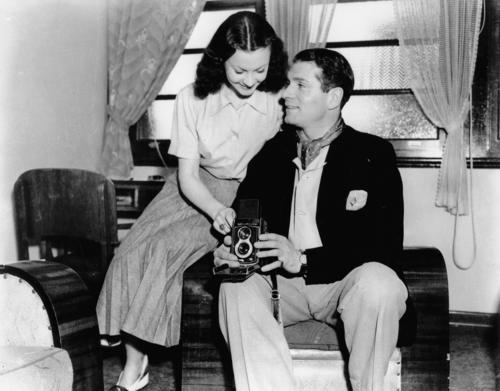
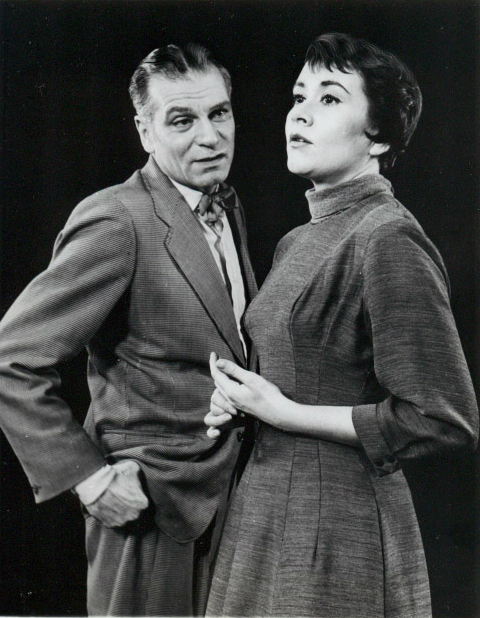
London’s theatres dimmed their lights in honour of Sir Laurence Olivier, who died in the early hours of the morning at his Sussex home, aged 82. Widely hailed as the greatest actor of his era, some of Olivier’s Shakespearean roles are still considered the definitive interpretation. He was co-director of the Old Vic and director of the National Theatre Company from 1962 to 1973, produced, directed and played in the films ‘Henry V’, ‘Hamlet’ and ‘Richard II’. By way of contrast, he shone as a broken-down comic in ‘The Entertainer’. Olivier was married three times, to English actresses Jill Esmond, the ravishing Vivien Leigh and to Joan Plowright, with whom he made many films in later years. He was knighted in 1947, was the first actor to become a peer in 1970, and was awarded the Order of Merit in 1981.
“Acting is a masochistic form of exhibitionism. It is not quite the occupation of an adult.” Laurence Olivier
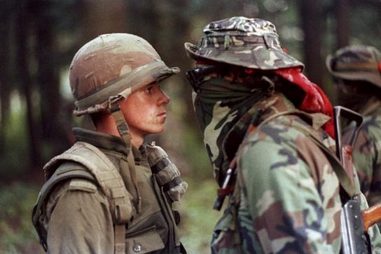
1990: Police and Mohawk Indians fire at each other near Montreal over a land rights dispute.
HAVE YOUR SAY
Like our Facebook page, follow us on Twitter and Instagram
For news straight to your phone, add us on WhatsApp 082 421 6033