July 13: On This Day in World History … briefly
Interesting historic snippets and facts taken from the book ‘On This Day’ first published in 1992 by Octopus Publishing Group Ltd, London.
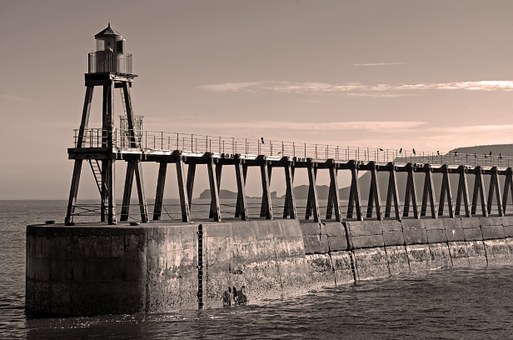
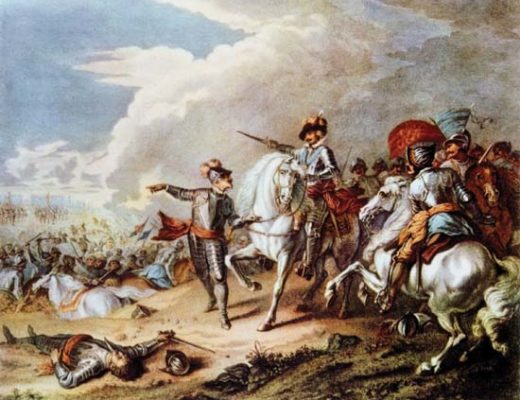
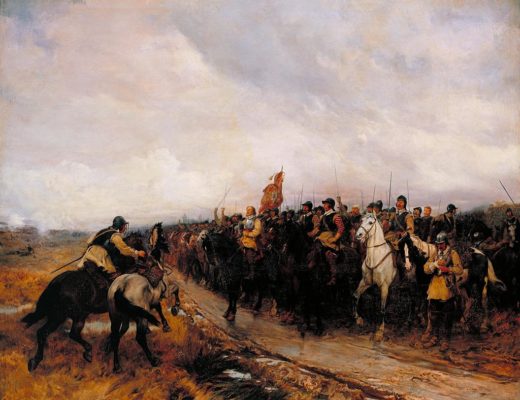
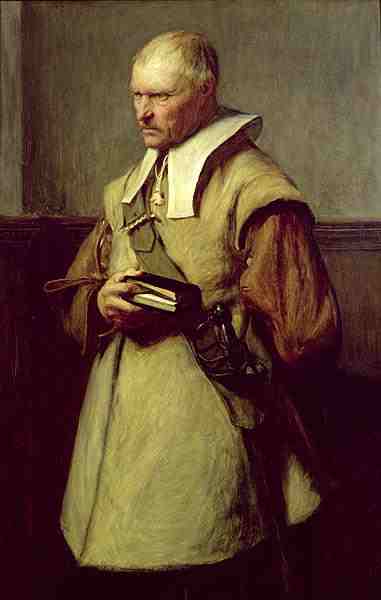
1643: In the English Civil War, the Cavaliers take an early victory over Oliver Cromwell’s Roundheads at Roundway Dam.
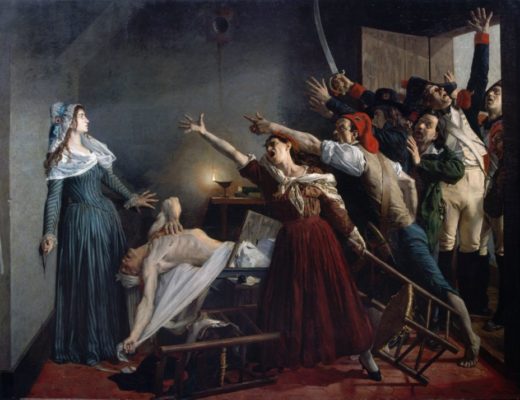
1793: Marat stabbed to death in his bath
Leading French Revolution figure, Jean Paul Marat, was stabbed in his bath by Charlotte Corday, a Girondist supporter. Although popular for his compassion for the poor and his concern for social justice, he would not be too sadly missed as he was largely responsible for denouncing deputies, ministers and kings, calling for innumerable executions. His paper ‘L’ami du peuple’ provoked hated but made him popular with the ‘scum’ of Paris – it also gave him enormous power. Marat fled for his life on at least two occasions and it was rumoured that his flight into Paris sewers caused him to contract a disease that was slowly killing him. He was elected a deputy of the Convention, but was one of the most unpopular men in the House. Marat became involved in the Jacobin struggle with the Girondists and his death was a further escalation of this violent struggle for supremacy. There were fears that the Jacobins would use his death as an excuse for a reign of terror.
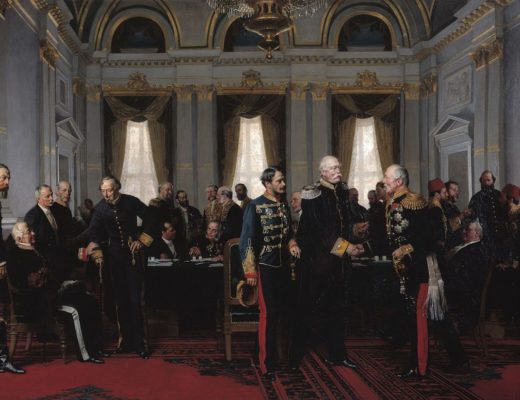
1878: The Congress of Berlin ends with the European powers limiting Russian naval expansion, permitting Austria-Hungary to occupy Bosnia-Herzegovina and gaining Turkish recognition of the independence of Serbia, Romania and Montenegro, and of Bulgarian autonomy under Turkish suzerainty.
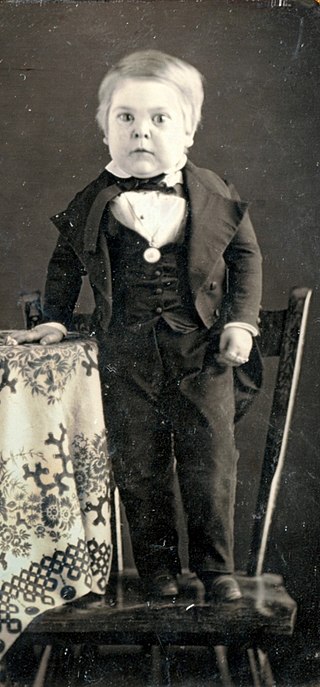
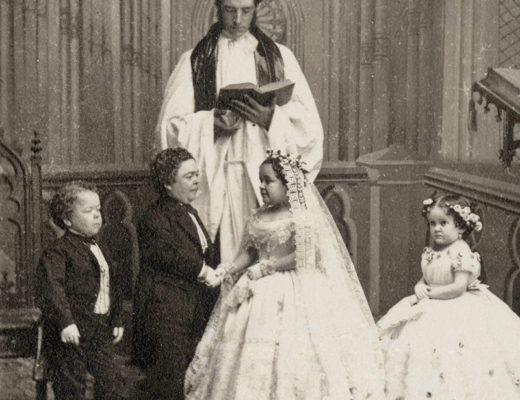
1883: General Tom Thumb dies
Circus midget General Tom Thumb (Charles Sherwood Stratton) dies aged 45. Part of PT Barnum’s ‘Greatest Show on Earth’ since the age of four, Charles Sherwood Stratton was 24 inches (62cm) when Barnum found him and over the course of his life reached a height of 40 inches (102cm). As well as touring extensively with the circus, Tom Thumb performed at the American Museum owned by Barnum. A master at massive public campaigning, Barnum made a fortune out of the likes of Tom Thumb and Swedish opera singer Jenny Lind.
1923: The British parliament passes a law banning the sale of alcohol to under-18s.

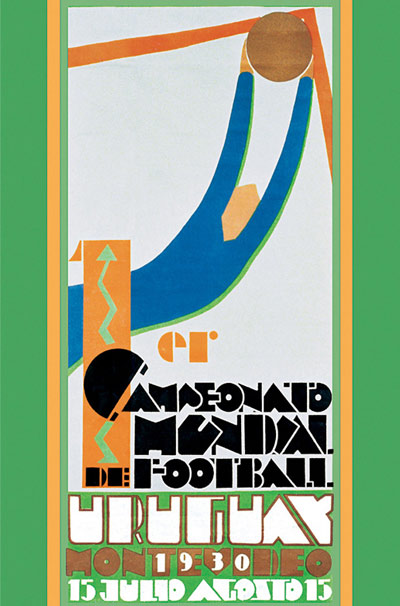
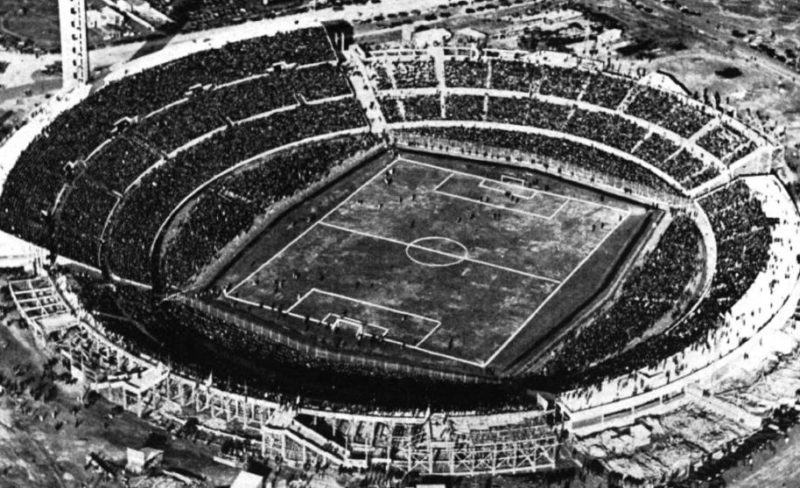
1930: The first World Cup soccer contest in held in Montevideo in Uruguay.
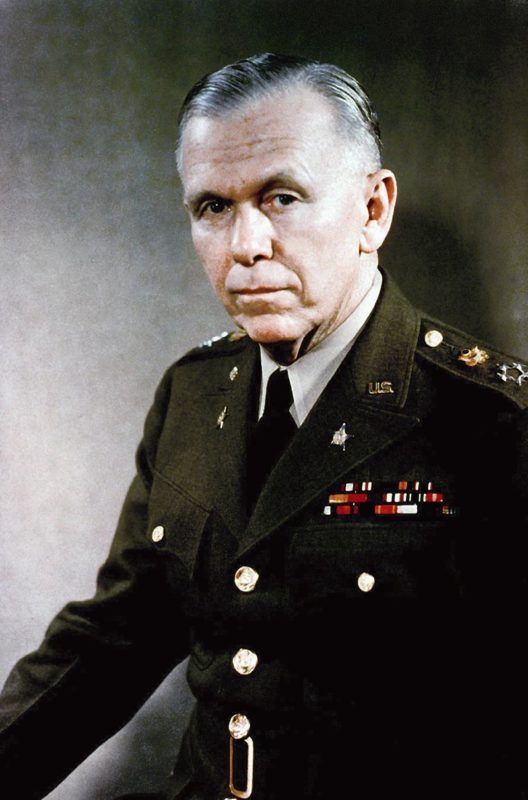
1947: Europe accepts the Marshall Plan, devised by US secretary of state George C Marshall to aid European economic recovery after WWII.
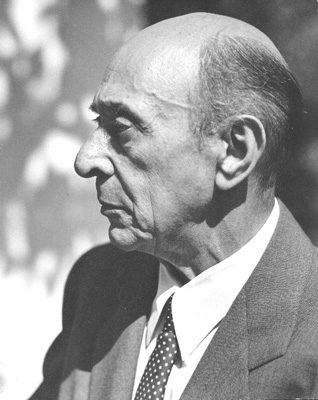
1951: Death of Arnold Schoenberg, Austrian-born composer best-known for his atonal works.
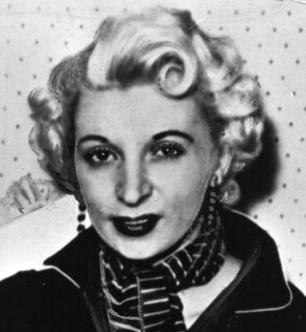
1955: Ruth Ellis hanged
Mother of two, Ruth Ellis is hanged at Holloway Prison for the murder of her lover David Blakeley. At her trial, the court heard how Ellis shot racing driver Blakeley (25) outside a Hampstead pub in a fit of jealousy. The couple had lived together off and on for nearly two years.
1957: Elvis Presley gets his first UK No. 1 with ‘All Shook Up’.

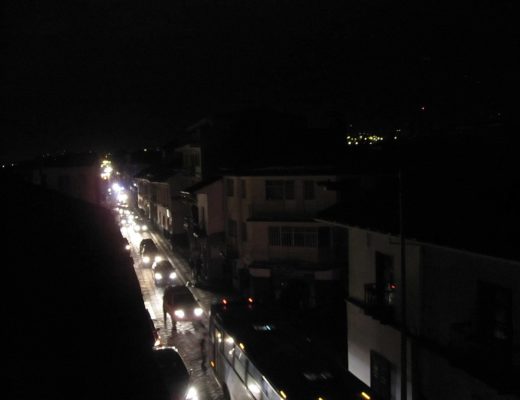
1977: Blackouts hit New York City
New York City is blacked out after electrical storms knock out power supplies for the city and for large parts of Westchester County. Police and emergency services were under enormous pressure due to the blackout; there was widespread looting and vandalism throughout the city which had largely gone unchecked. Security systems dependent on power had been put out of action, while traffic congestion was horrific. The underground system was not functioning and large numbers of office workers were trapped in skyscrapers dependent on elevators to get to the ground.
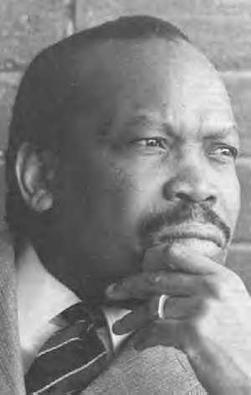
1980: Death of Sir Seretse Khama, president of Botswana, who trained as a barrister in London and married Englishwoman Ruth Williams, as a result of which he had to renounce his chieftaincy to the Bamangwato tribe.
1990: Yeltsin resigns from Communist Party
President of the Russian republic, Boris Yeltsin resigns from the Communist Party. He had been increasingly critical of President Gorbachev and of the slow pace of reform. This final severance with the party concluded a process which had been going on since he was sacked by Gorbachev in 1987 for his impatience with economic reforms. Gorbachev continued to walk a tightrope between hardliners and reformers. Yeltsin was a strong Gorbachev supporter for some time but emerged clearly in opposition to him, a position which was highlighted after demonstrations in Moscow by his supporters in March 1989. This support helped Yeltsin win a seat in the first election of a multi-candidate system later that month. In May of the same year, he was elected to the Supreme Soviet. Continuing economic problems and trouble in the Republic’s dog Gorbachev administration, although his international stature was high. Gorbachev’s ability to take the Soviet Union into a free market economy and his own political survival was, however, questionable.
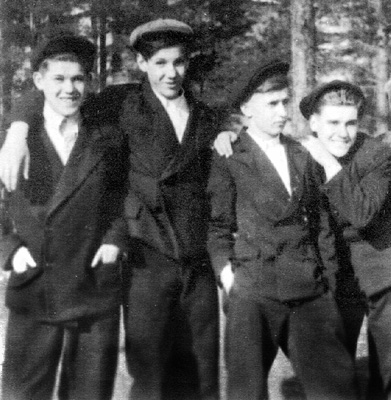
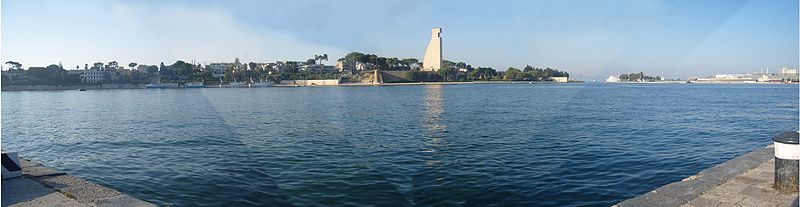
1990: The Italian port of Brindisi witnesses the arrival of 4 500 Albanian refugees.
HAVE YOUR SAY
Like our Facebook page, follow us on Twitter and Instagram
For news straight to your phone, add us on BBM 58F3D7A7 or WhatsApp 082 421 6033