July 14: On This Day in World History … briefly
Interesting historic snippets and facts taken from the book ‘On This Day’ first published in 1992 by Octopus Publishing Group Ltd, London.
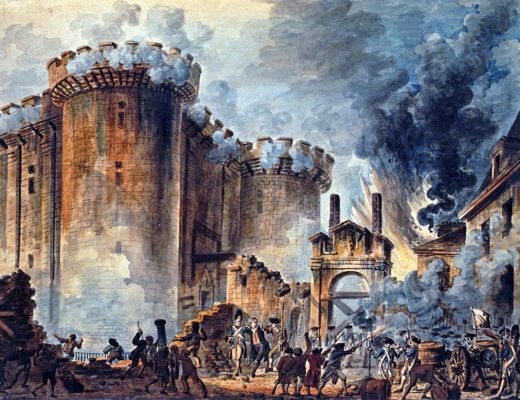
1789: Mob storms the Bastille
Two days of rioting in Paris culminates in the storming of the Bastille by a mob demanding munitions stored within its walls. Commander Marquis de Launay, who had been holding the prison with his men, refused to surrender the arms to the mob, fearing the volatile atmosphere throughout the city would be further heightened by weapons. The building had been stormed by the crowd, the munitions taken and the seven prisoners within had been released. The Bastille was built in 1370 as part of the defences of the city of Paris, but by the 17th century it had become a symbol of French absolutism, a prison which held political prisoners. The Bastille’s hospitality had been savoured by some of France’s most famous citizens, including the philosopher Voltaire and the notorious Marquis de Sade. There were fears that the civil unrest would be the beginning of a revolution, one which looked likely to be bloody, violent and long.
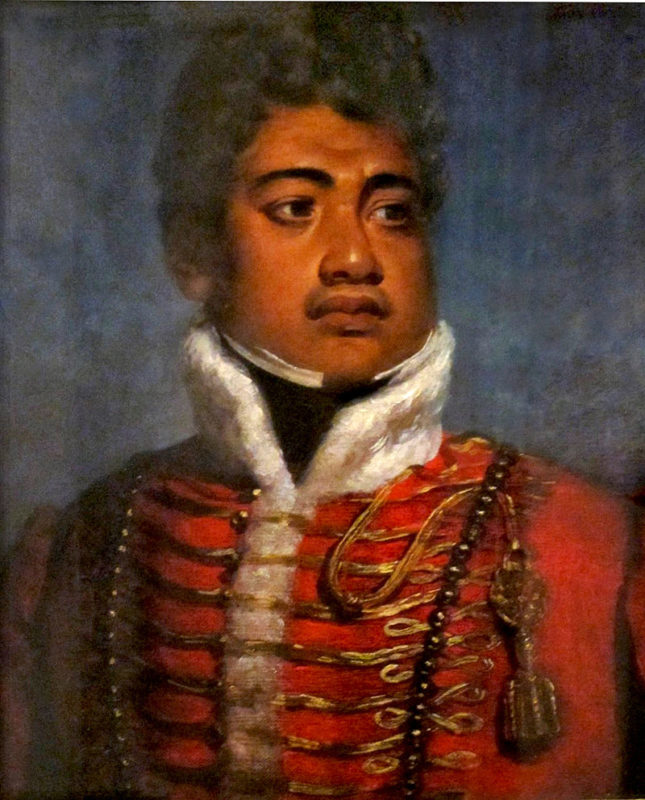
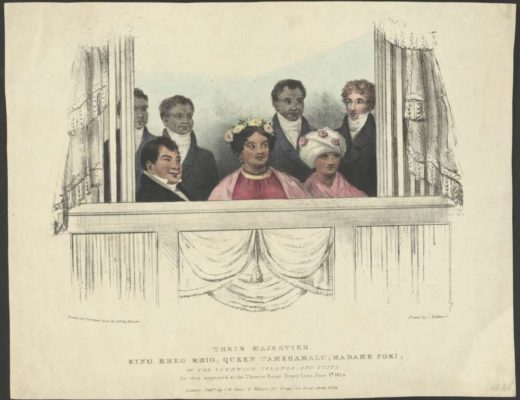
1823: King Kamehameha II of Hawaii and his queen die of measles during a visit to Britain.
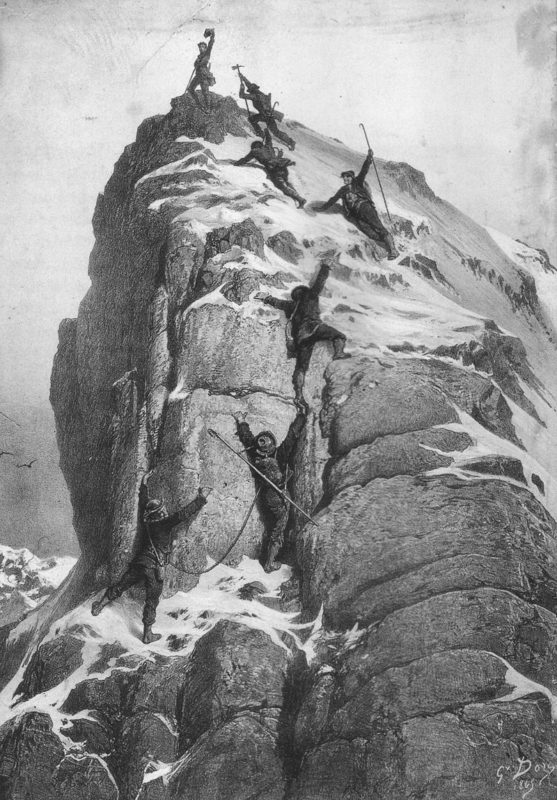
1865: Matterhorn conquered by British team
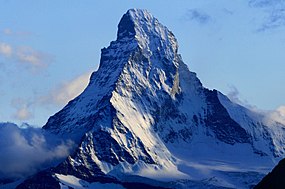
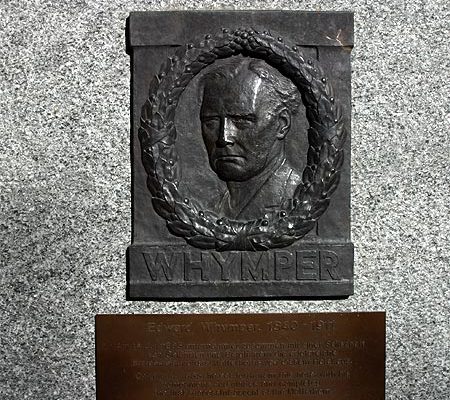
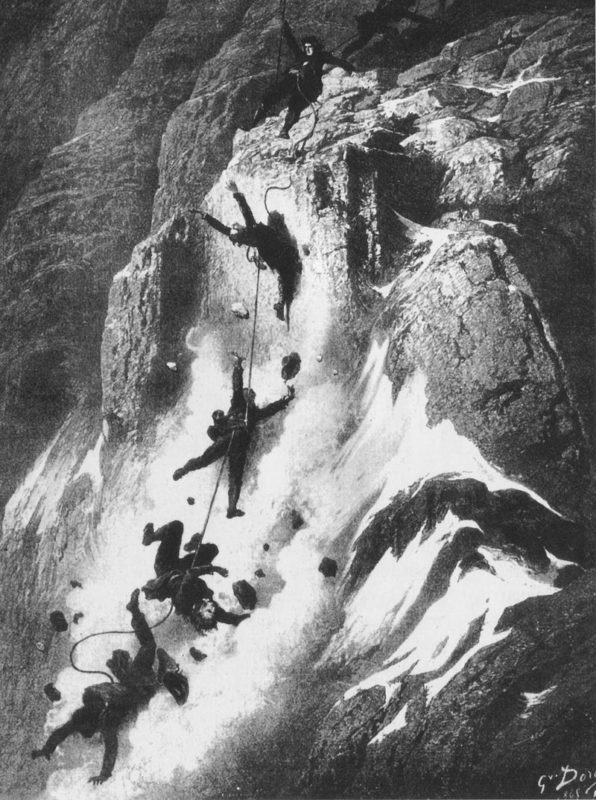
The formidable Matterhorn are conquered by an expedition led by British explorer Edward Whymper. Scaling the third highest peak of the Alps had not been without its price though. During the descent, four of the seven climbers in his team were killed. Situated in the Alps on the border between Switzerland and Italy, the Matterhorn was a comparatively low mountain at 14 700ft (4 480m) high, but was extremely difficult to climb due to its towering cliffs. More climbers have been killed there than on any other Alpine peak. Locals say that the mountain is protected by spirits and that climbers risked their lives attempting to scale the mighty peak. Edward Whymper was without doubt the most celebrated Alpine climber in Europe at that time, having previously conquered a number of unscaled peaks in the mountain range.
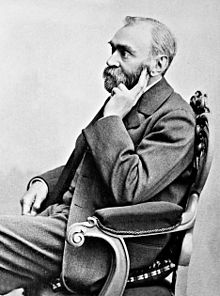
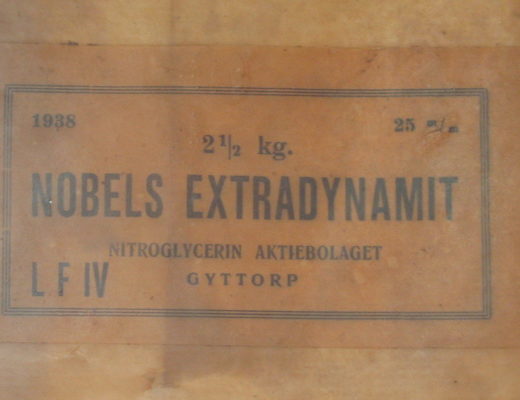
1867: Swedish chemist Alfred Nobel demonstrates dynamite for the first time.
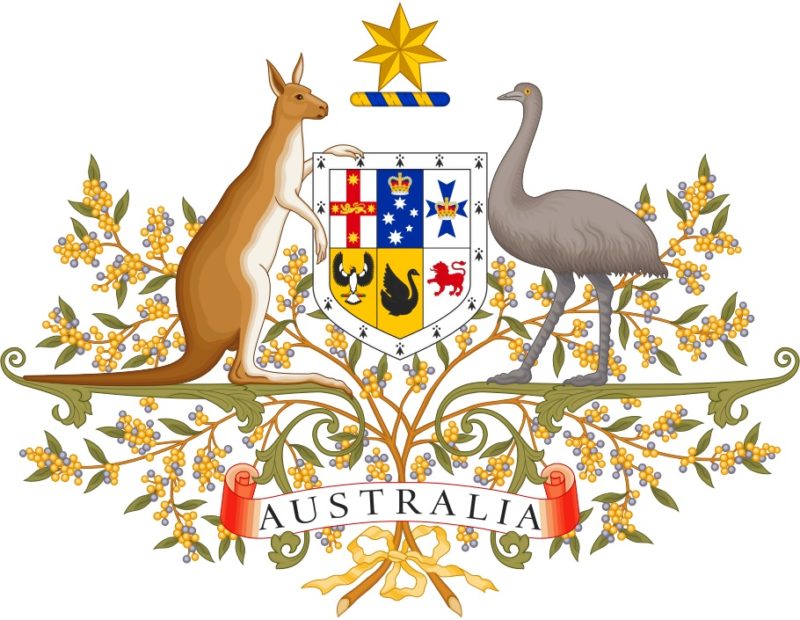
1900: The first governor-general of Australia is appointed.
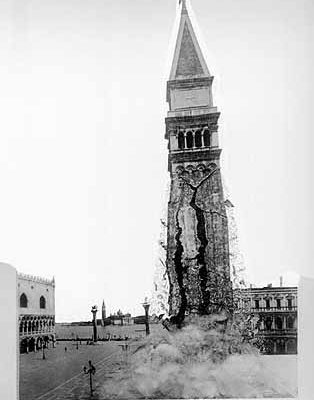
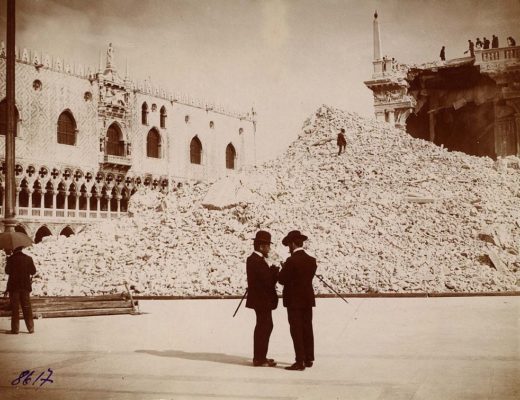
1902: The campanile of St Mark’s Cathedral in Venice collapses during a safety inspection.
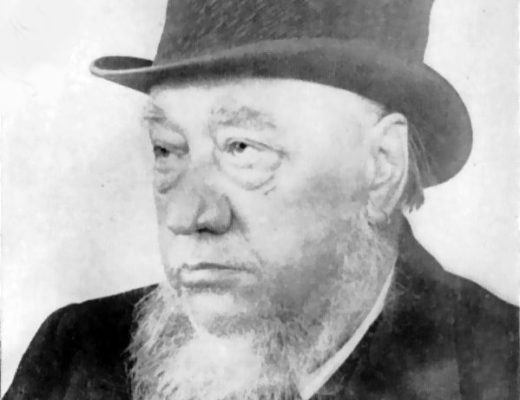
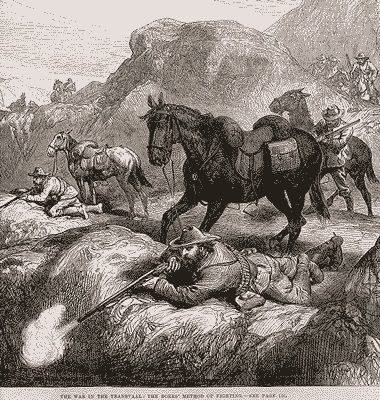
1904: Death of Paul Kruger, head of the Boer Republic of the Transvaal during the Boer War.
1930: BBC television transmits its first play ‘The Man with a Flower in His Mouth’ by Italian dramatist and novelist Luigi Pirandello.
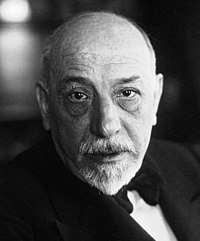
1958: King Faisal is murdered
King Faisal, his uncle the crown prince Abdul Illah and Prime Minister Nuri el-Said are murdered in Iraq during a coup. PM el-Said was reportedly kicked to death by a Baghdad mob as the monarch and his uncle were being murdered by a group of Iraqi army officers inspired by Nasser. The uprising of nationalist feeling and the coup had implications for the whole region. President Chamoun in nearby Lebanon demanded aid from the West.
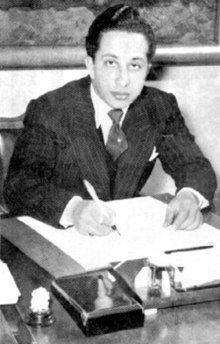
1959: The first nuclear warship, the 14 000 ton USS ‘Long Beach’ is launched.
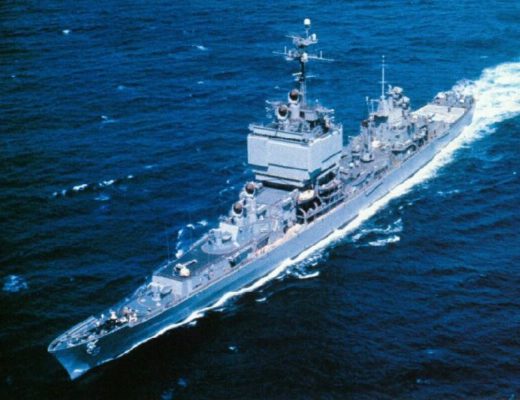
1959: Death of the famous Swiss clown Grock.
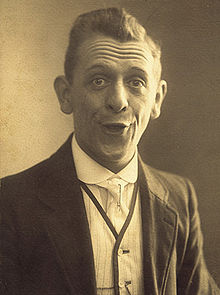
1965: Democratic politician and co-founder of the UN Adlai Stevenson dies in London of a heart attack.
1966: French sex-symbol marries
French film star and sex-symbol Brigitte Bardot marries millionaire playboy Gunther Sachs in America. Her sex-kitten image did much to popularise French films internationally and the then 34-year old received enormous media attention while in the USA promoting her film ‘Viva Maria!’ with journalists comparing her to Marilyn Monroe. This was the third trip to the altar for ‘BB’, who had previously been married to film director Roger Vadim and to Jacques Charrier.

1967: The British parliament votes to legalise abortion.
1987: Martial law is formally lifted in Taiwan.
1989: Siberian miners go on strike
More than 300 000 coal miners in seven Siberian cities go on strike for better pay and conditions, leaving the major Soviet coalfields idle. The strike was the most serious outbreak of industrial unrest since Gorbachev came to power four years earlier. The miners’ union was a particularly strong and influential one in Soviet politics – the importance of coal to the struggling economy couldn’t be underestimated. Not surprisingly, the miners were also demanding greater political and economic independence for the mines along with a 40 percent pay rise for night shifts and, more prosaically, soap to wash with and milk for their children.
HAVE YOUR SAY
Like our Facebook page, follow us on Twitter and Instagram
For news straight to your phone, add us on BBM 58F3D7A7 or WhatsApp 082 421 6033